01
Site-Specific Engineering
System recommendations are developed around electricity consumption, maximum demand, supply type, operating hours, roof or land availability, critical loads and future expansion plans.
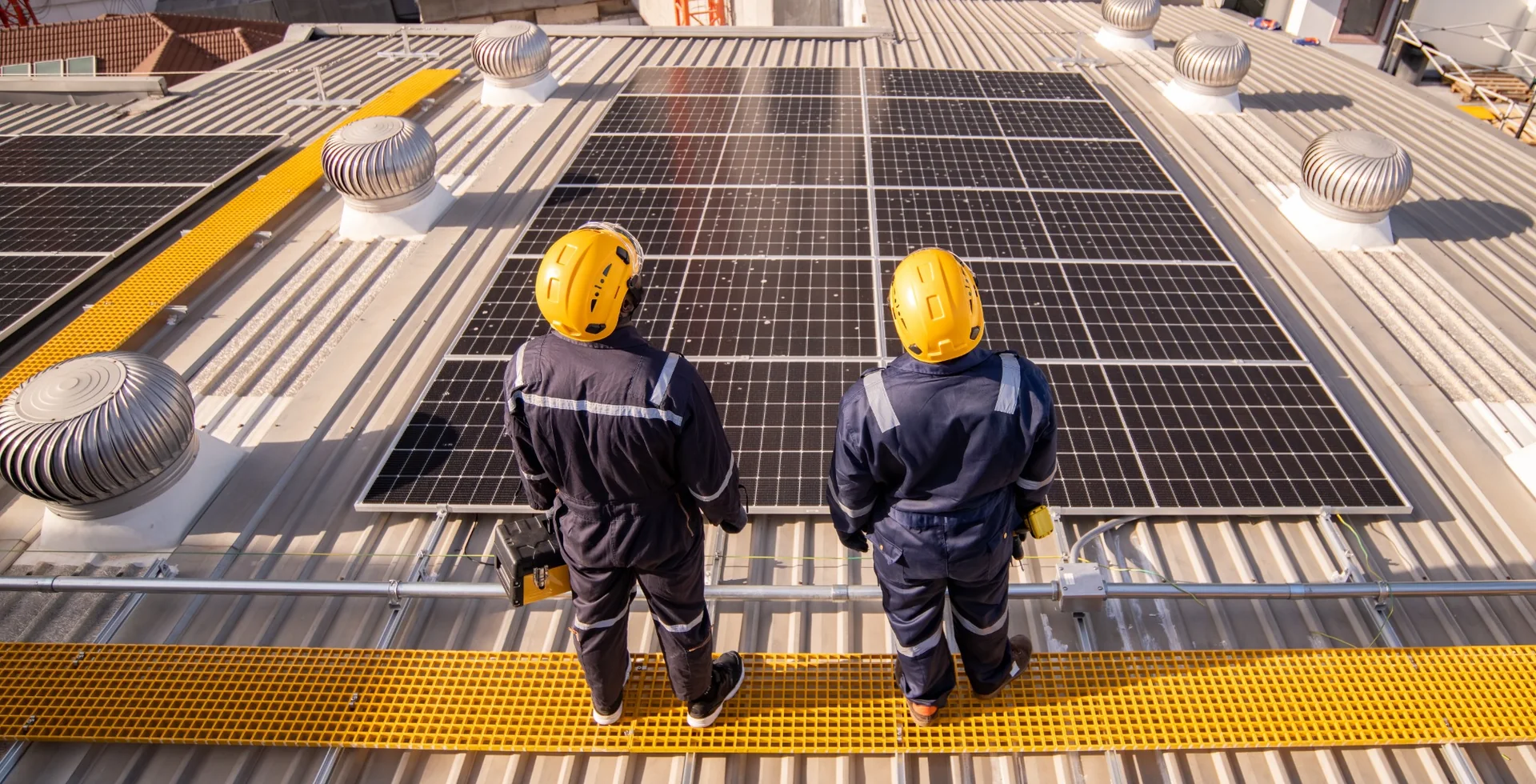
P&P Solar Solutions designs and delivers professional commercial, agricultural, industrial and large-scale solar power installations for organisations that need dependable engineering, skilled workmanship and a long-term energy solution—not a generic equipment package.
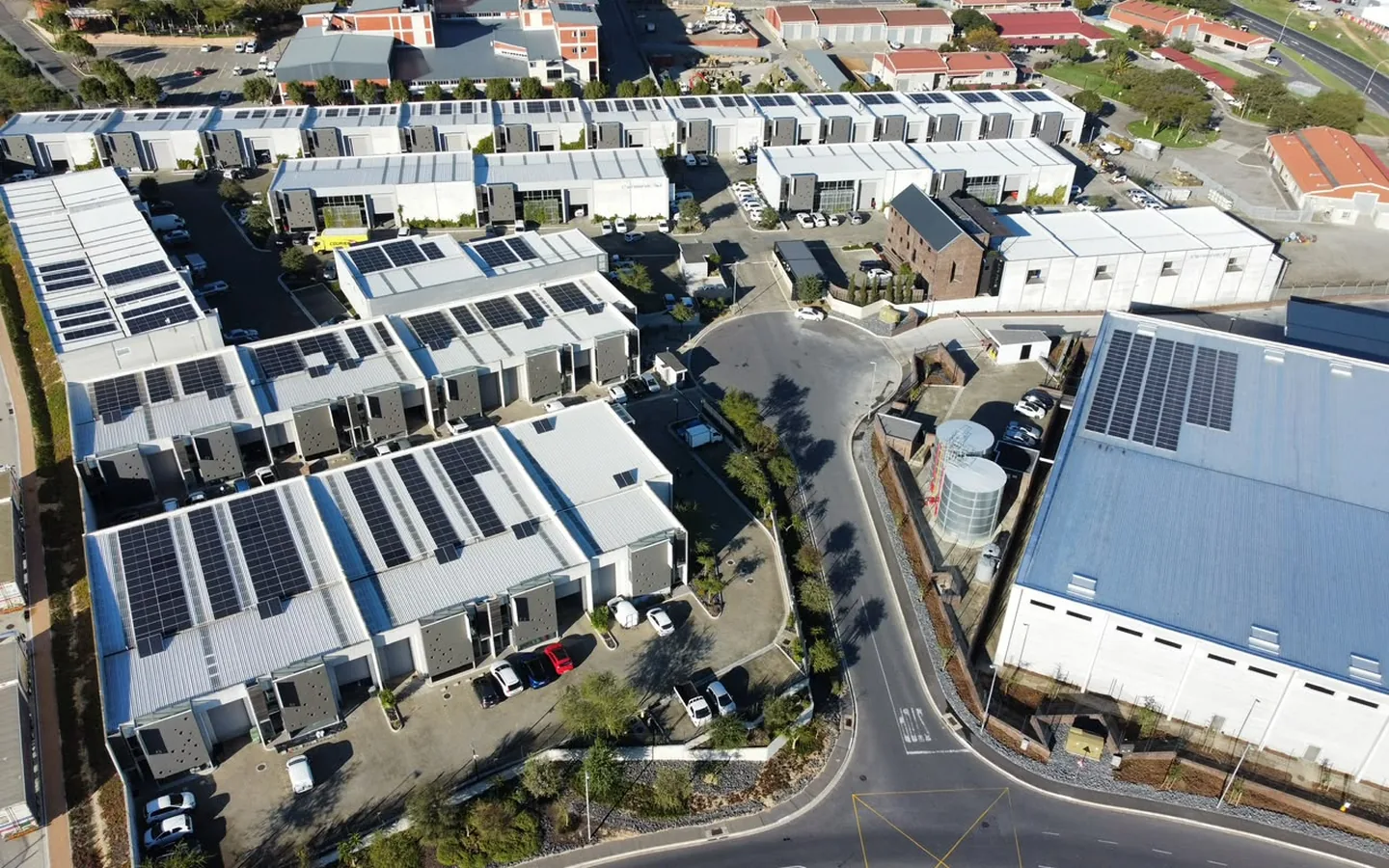
P&P Solar Solutions is an experienced solar installation service company serving commercial, agricultural, industrial and large-scale energy users across South Africa. The company has designed and installed rooftop photovoltaic systems since 2005, building its capability through practical work on operational buildings, farms, factories, warehouses and other demanding sites.
More than two decades in the solar industry has provided experience that cannot be gained from product catalogues alone. Every roof behaves differently. Every electrical installation has its own limitations. Every business has a particular consumption profile, operating schedule, risk exposure and financial objective. P&P Solar Solutions uses this practical understanding to develop systems that respond to the realities of the site.
The company reports hundreds of completed projects and well in excess of 100,000 rooftop solar panels installed. That history includes commercial, industrial, agricultural and residential installations throughout South Africa and elsewhere in Africa. It also reflects substantial familiarity with rooftop access, mounting systems, module placement, electrical integration, inverter installation, testing and commissioning.
For customers, this means dealing with a solar company that understands that successful installations are not measured only by the number of panels fitted. A successful project must be safe, technically appropriate, properly integrated, maintainable and aligned with the customer’s operational requirements.
Commercial and large-scale solar projects affect electrical infrastructure, business continuity, capital planning and long-term operating costs. The installer must therefore understand the complete energy environment—not only the solar array.
System recommendations are developed around electricity consumption, maximum demand, supply type, operating hours, roof or land availability, critical loads and future expansion plans.
Practical rooftop and electrical experience supports better planning, safer execution, cleaner workmanship and more informed decisions when site conditions differ from initial assumptions.
P&P Solar approaches each installation as an operational project with defined objectives, responsibilities, constraints, sequencing and commissioning requirements.
Solar PV can be combined with battery storage, grid supply, generators, monitoring and energy-management controls where the project requires a broader hybrid architecture.
Array access, cable routes, equipment placement, ventilation, labelling, protection and monitoring are considered because long-term serviceability matters after installation day.
Customers need a practical understanding of the proposed scope, assumptions, limitations, expected operating strategy and information still required before final design.
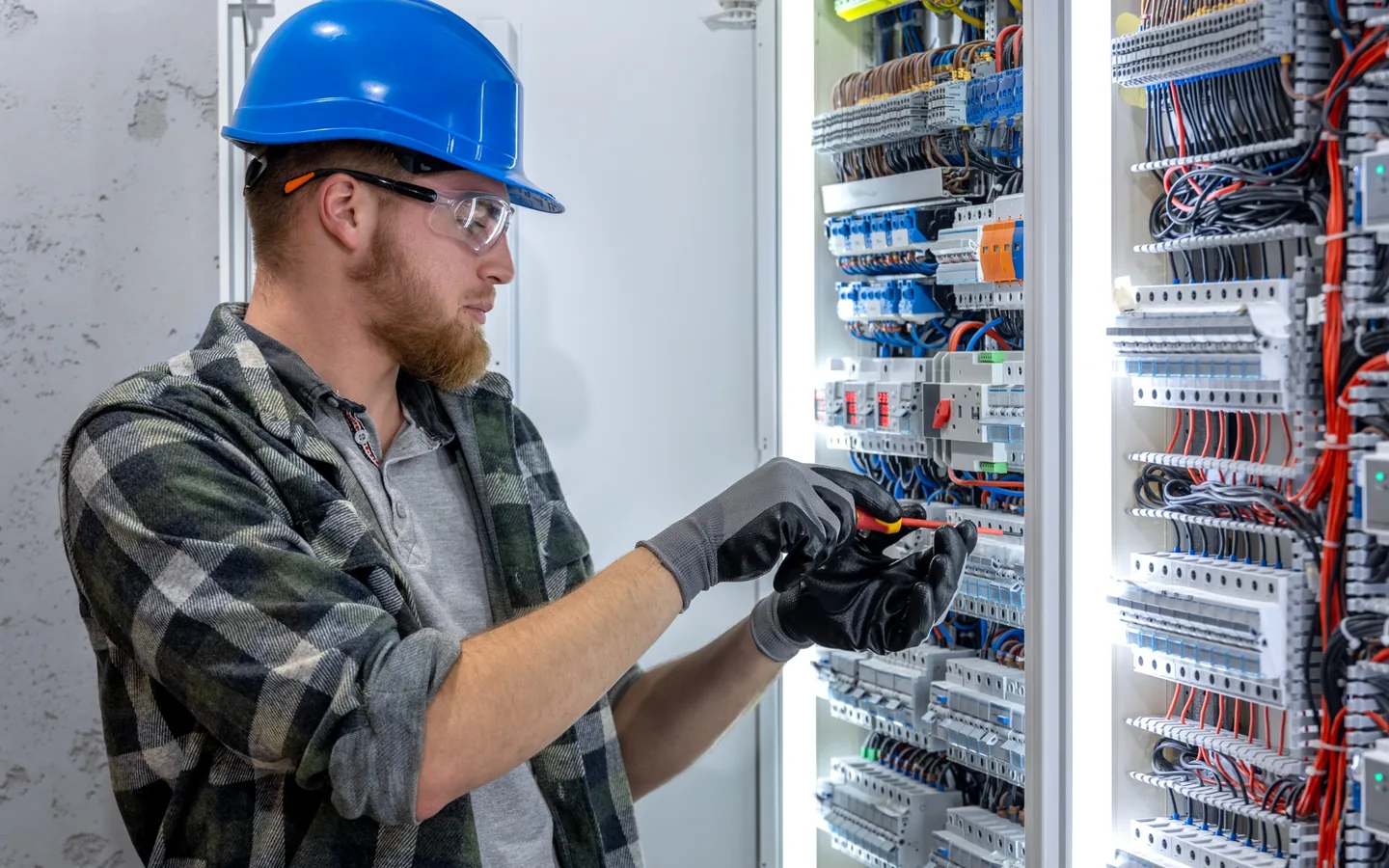
A complete solar installation involves a sequence of coordinated mechanical and electrical activities. P&P Solar Solutions’ practical scope includes mounting-system installation, mechanical fixing, solar module placement, DC cabling, AC cabling, inverter installation, protection equipment, testing and commissioning.
On a commercial rooftop, the physical installation must account for roof type, structural limitations, drainage, access routes, existing services, obstructions, shading and future maintenance. The electrical work must then coordinate DC string design, cable routes, inverter placement, isolation, protection, earthing and the connection to the facility’s existing distribution system.
These elements cannot be treated as separate product purchases. They form one operating system. A weakness in layout, cable management, protection or commissioning can affect performance, safety and maintainability. This is why experienced solar installers add value before, during and after the equipment is mounted.
P&P Solar Solutions applies its accumulated installation experience to identify practical risks early, coordinate work around site operations and deliver a system that is suitable for the intended environment.
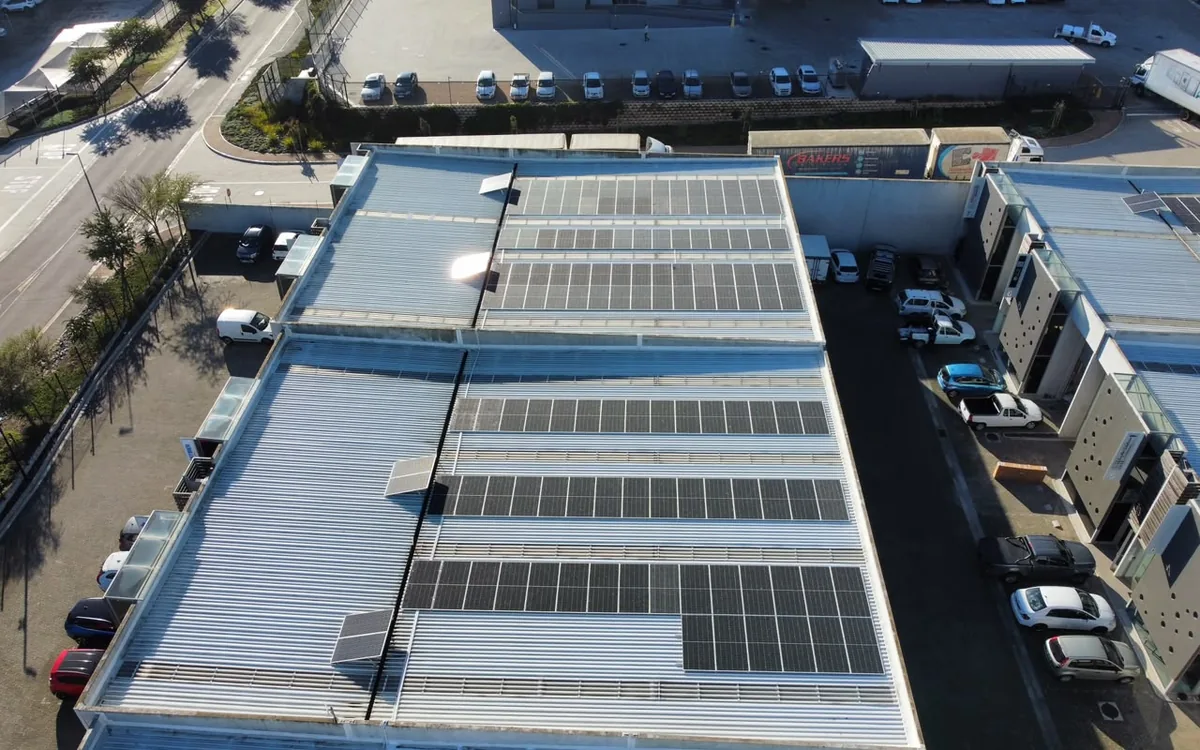
Solar systems for offices, retail properties, warehouses, hospitality facilities, schools, healthcare environments and multi-tenant commercial sites. Designs can focus on daytime self-consumption, electricity-cost reduction, backup capability and portfolio-wide energy visibility.
Explore commercial solar →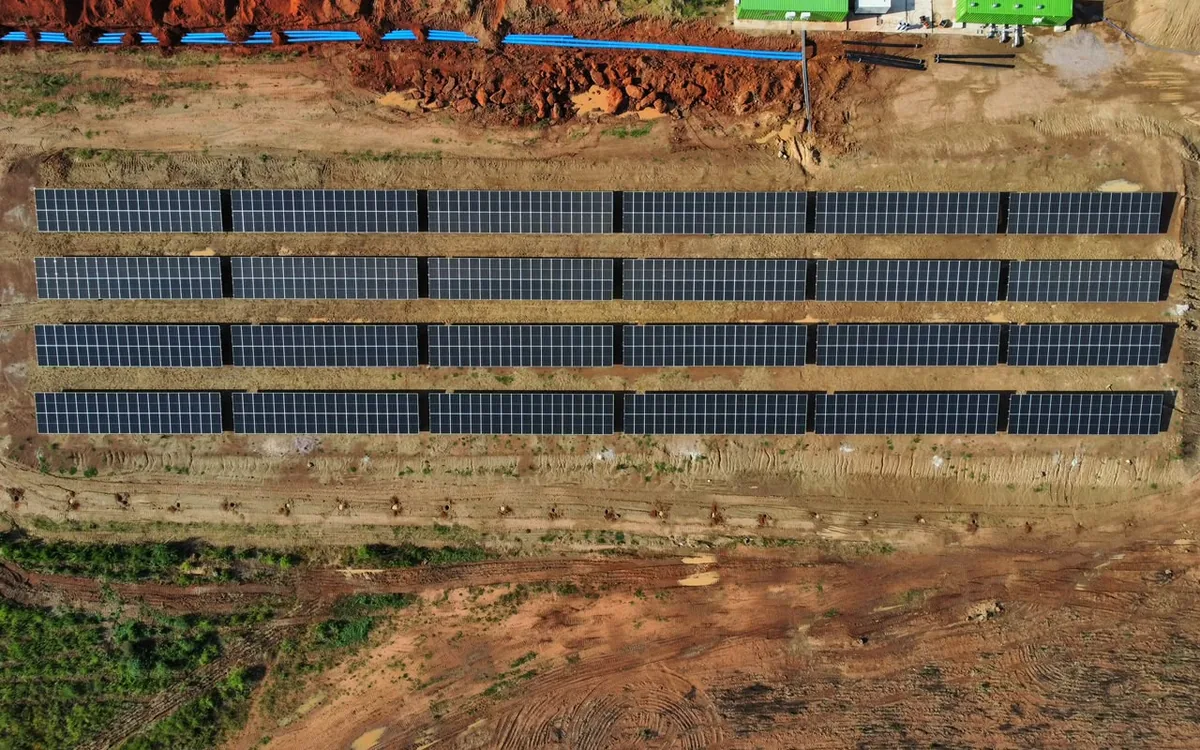
Energy systems for irrigation, borehole pumping, packhouses, cold storage, poultry, dairy, processing, workshops and remote farm infrastructure. Agricultural designs are developed around seasonal demand, motor loads, operating cycles and continuity requirements.
Explore agricultural solar →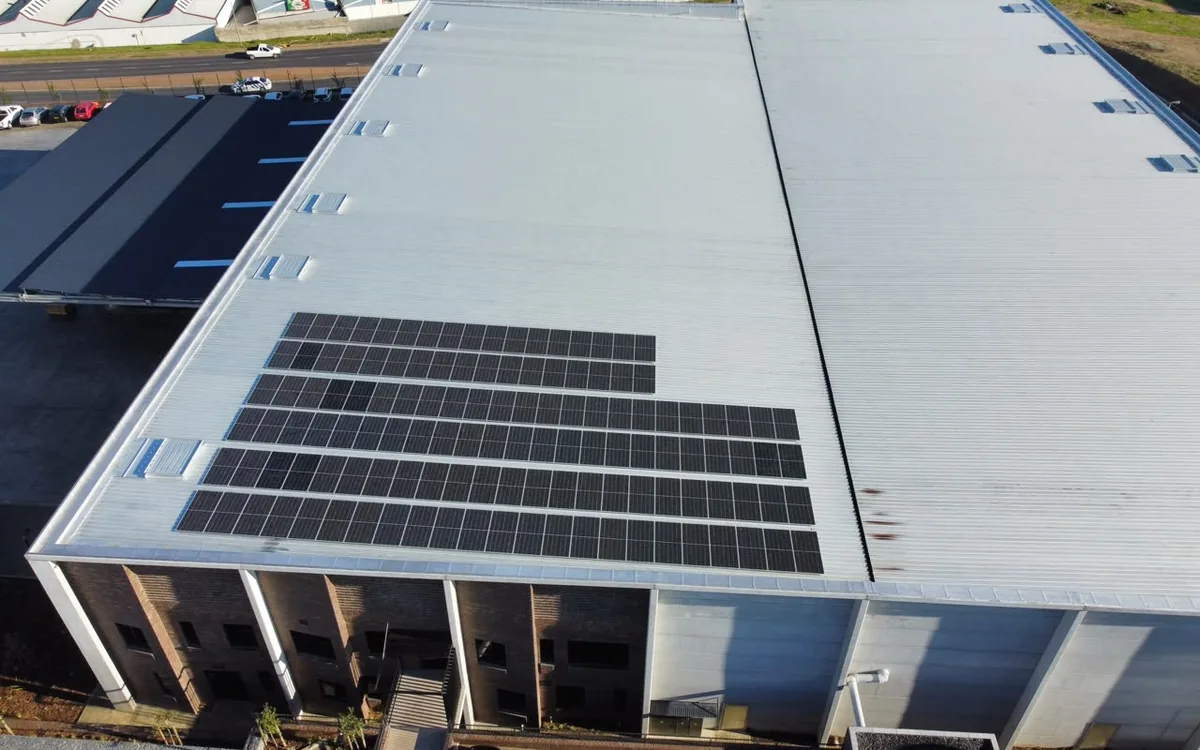
Engineered solar and storage solutions for factories, distribution centres, processing plants, campuses, infrastructure sites and energy-intensive operations where electrical integration, maximum demand and operational sequencing require careful planning.
Explore large-scale solar →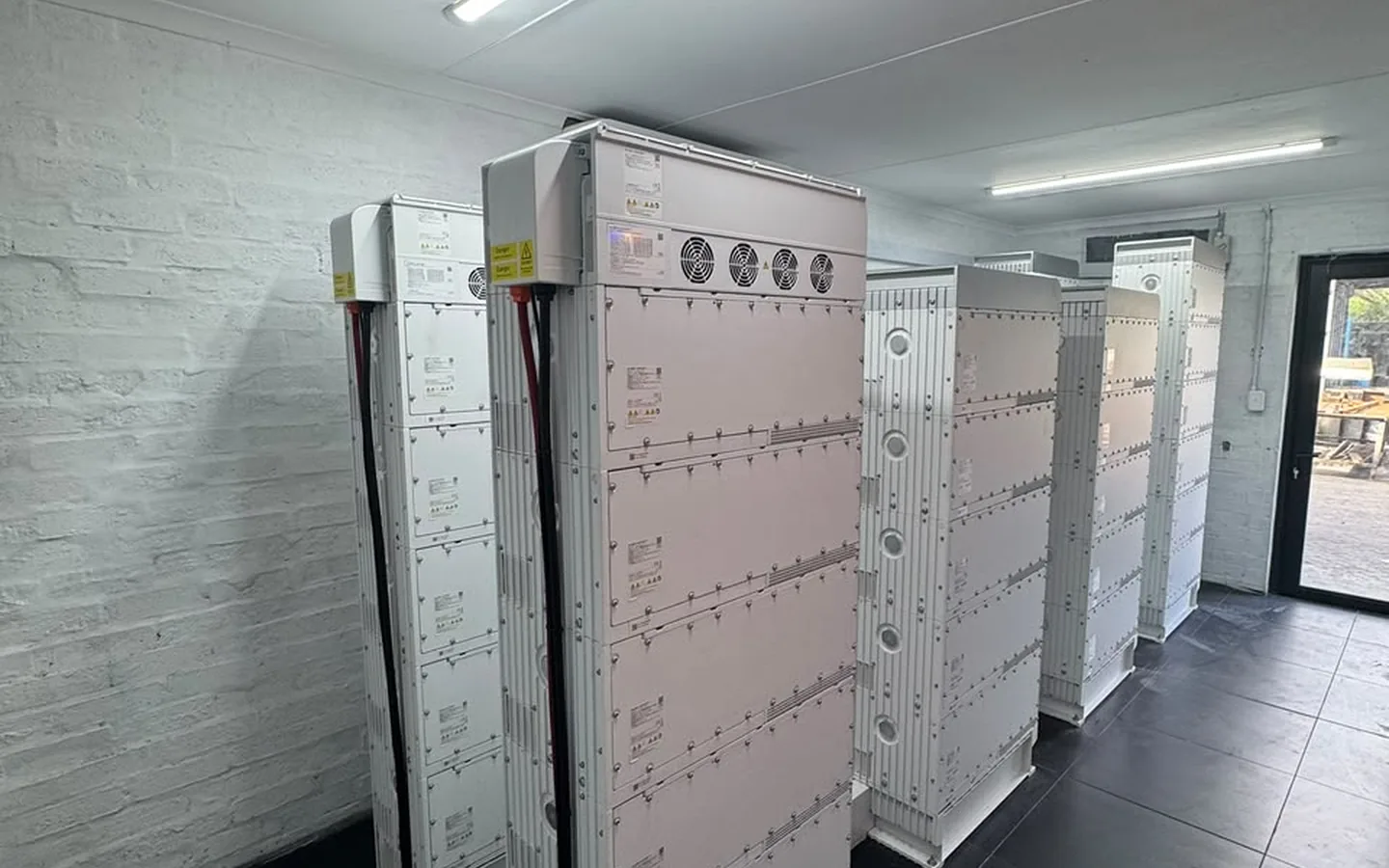
Solar generation is only one component of a modern energy strategy. Many businesses also need backup during outages, reduced generator runtime, lower peak demand, energy after sunset or greater control over when grid electricity is consumed.
P&P Solar Solutions can assess battery energy storage as part of a wider hybrid system. The design must consider both power and energy: the instantaneous output required in kilowatts, the usable stored capacity required in kilowatt-hours, the expected backup duration, the critical-load profile, recharge strategy and available generation sources.
Battery systems can also support load shifting, solar self-consumption, generator coordination and microgrid applications. For larger sites, modular or containerised equipment may provide a practical route to scalable deployment and controlled equipment integration.
The objective is not simply to install the largest battery available. It is to define how storage should operate, which loads it must support and what commercial or operational outcome it must achieve.
Learn about battery energy storage →A clear process protects the customer, the installer and the final system. The exact sequence varies by project, but the core approach remains consistent.
Understand the site, business operations, current energy problem and desired result.
Review electricity bills, tariff structure, consumption, maximum demand and operating hours.
Evaluate the roof or land, electrical infrastructure, access, generator use and physical constraints.
Develop the proposed solar, battery and integration architecture around the verified requirements.
Define the proposed scope, equipment basis, assumptions, exclusions and commercial structure.
Coordinate layouts, mounting, cable routes, equipment locations, protection and programme.
Execute mechanical and electrical work with appropriate site controls and quality checks.
Configure, test and verify the system before operational handover.
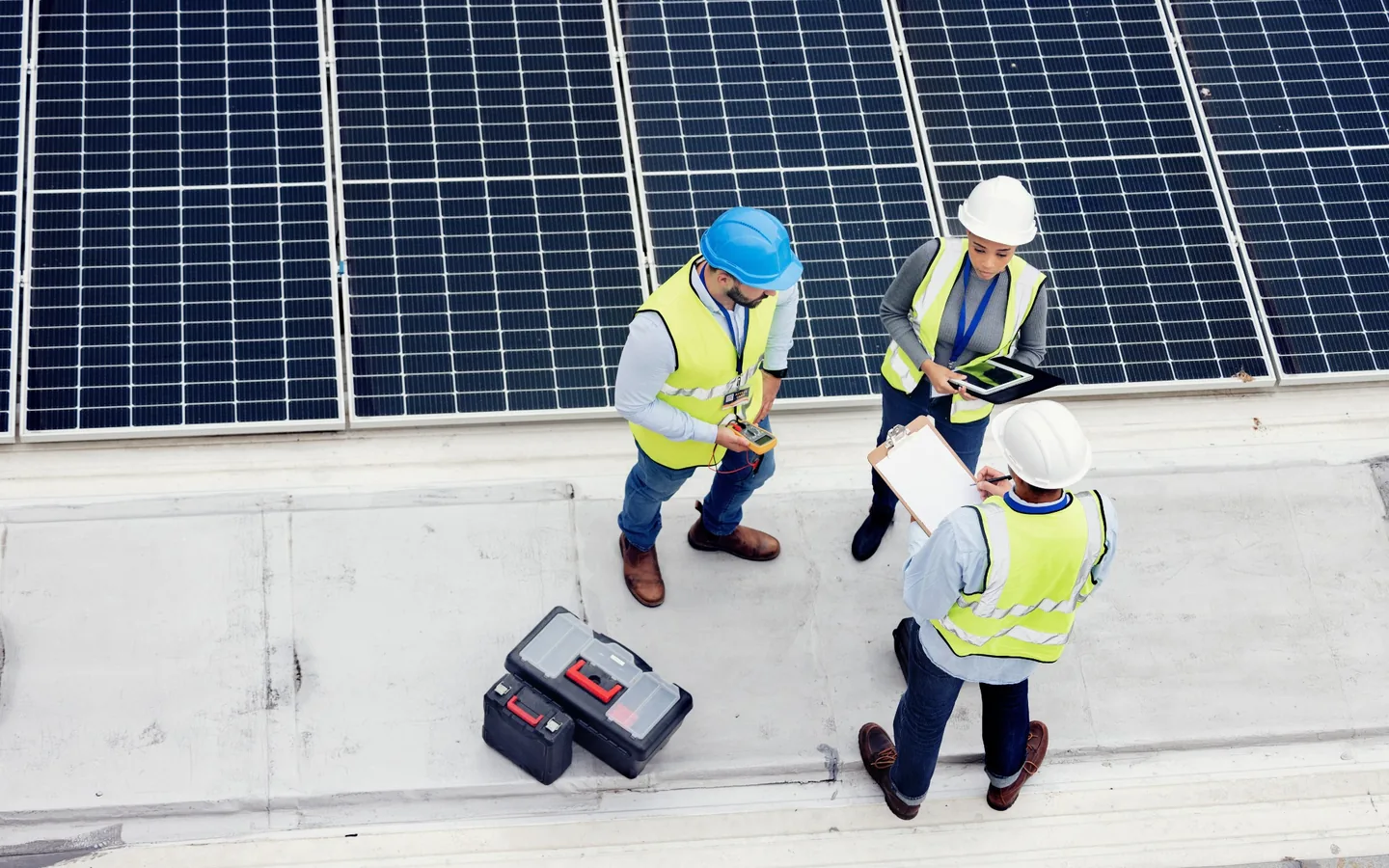
P&P Solar Solutions’ documented operating practices include site-specific risk assessments, task-specific method statements, working-at-heights procedures, fall-protection systems, daily toolbox talks, qualified installation personnel and daily quality inspections.
Rooftop PV installation normally involves mounting systems, mechanical fixing, module installation, DC and AC cabling, inverter installation, testing and commissioning. These activities must be organised around safe access, controlled movement on the roof, equipment handling, weather conditions and the requirements of the operating site.
Where a customer, principal contractor or facility has its own permit-to-work system, induction process or health-and-safety requirements, these requirements are incorporated into project planning and site execution.
The company reports an excellent safety record and no known fire incidents arising from standard rooftop PV installation activities. This experience supports a practical, controlled approach without dismissing site-specific risk or client requirements.
P&P Solar Solutions does not believe that one inverter or battery platform is automatically correct for every site. Equipment must be assessed against supply configuration, load profile, backup requirements, system scale, monitoring needs, support expectations and future expansion.
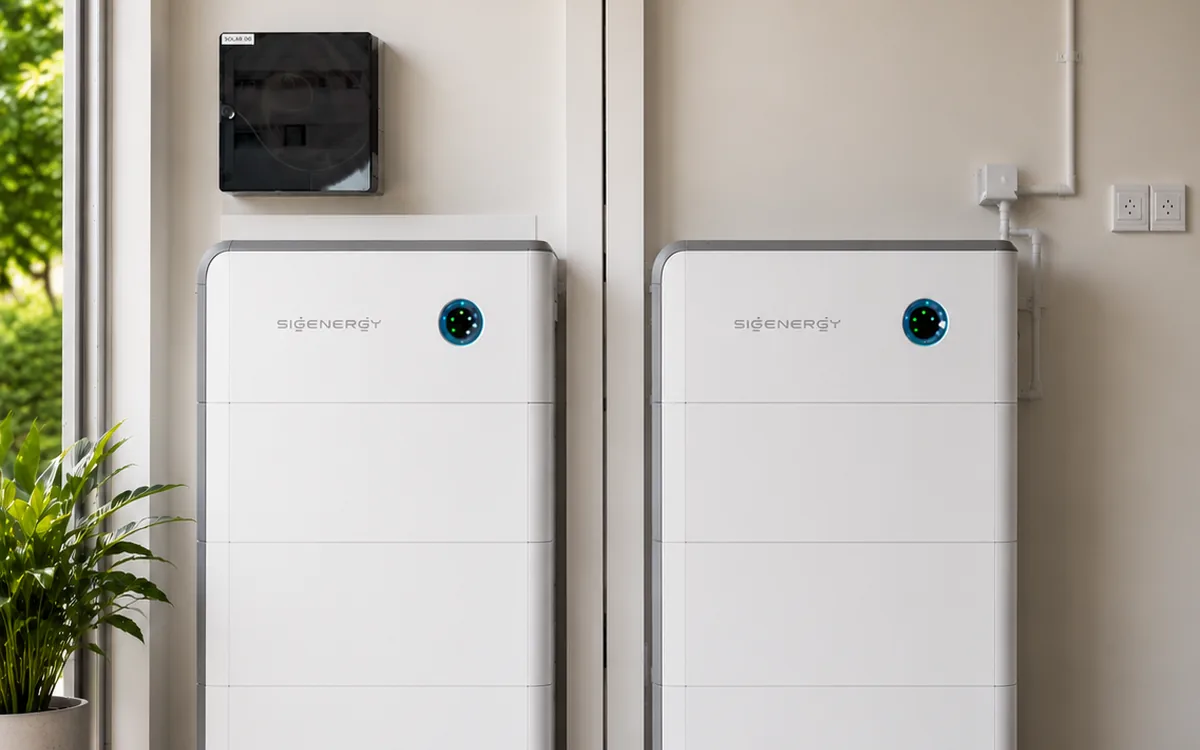
Sigenergy can be considered for suitable commercial and agricultural installations requiring integrated solar generation, battery storage, power conversion, intelligent control and monitoring. The final architecture is selected only after reviewing the site’s phase configuration, loads, backup priorities and scalability requirements.
View Sigenergy solutions →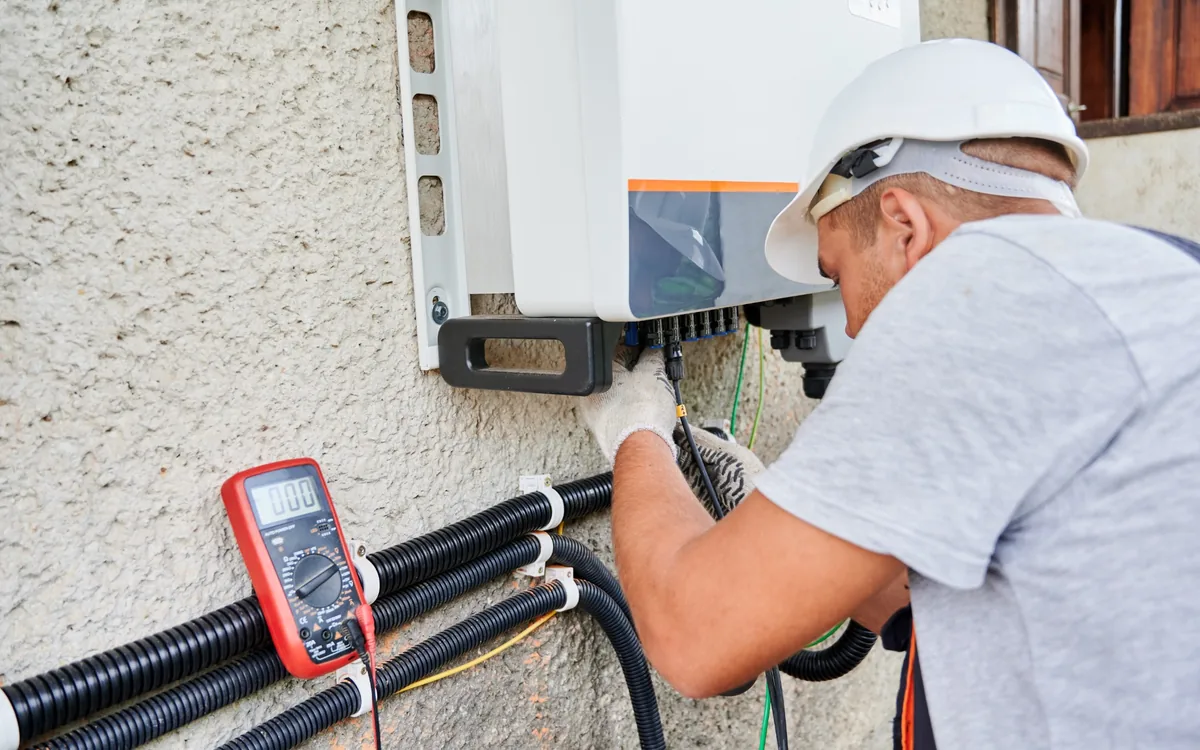
FoxESS solutions may suit selected commercial and agricultural projects requiring hybrid inverter capability, battery storage and system monitoring. Equipment selection remains dependent on actual site demand, electrical compatibility, backup requirements and the wider project design.
View FoxESS solutions →Experience dating back to 2005 provides a strong practical foundation for assessing roofs, electrical systems, installation constraints and project risks.
Well over 100,000 rooftop panels installed across hundreds of projects demonstrates substantial exposure to different buildings, sectors and site conditions.
Recommendations are linked to energy use, business operations, continuity requirements and long-term value rather than equipment sales alone.
Projects can be planned around current demand while allowing for future solar expansion, additional storage or changing operational requirements where practical.
Solar PV, battery storage, grid supply, generators, protection, monitoring and energy controls can be considered as parts of one coordinated system.
Customers receive clearer next steps, defined information requirements and a practical route from first discussion to a properly assessed proposal.
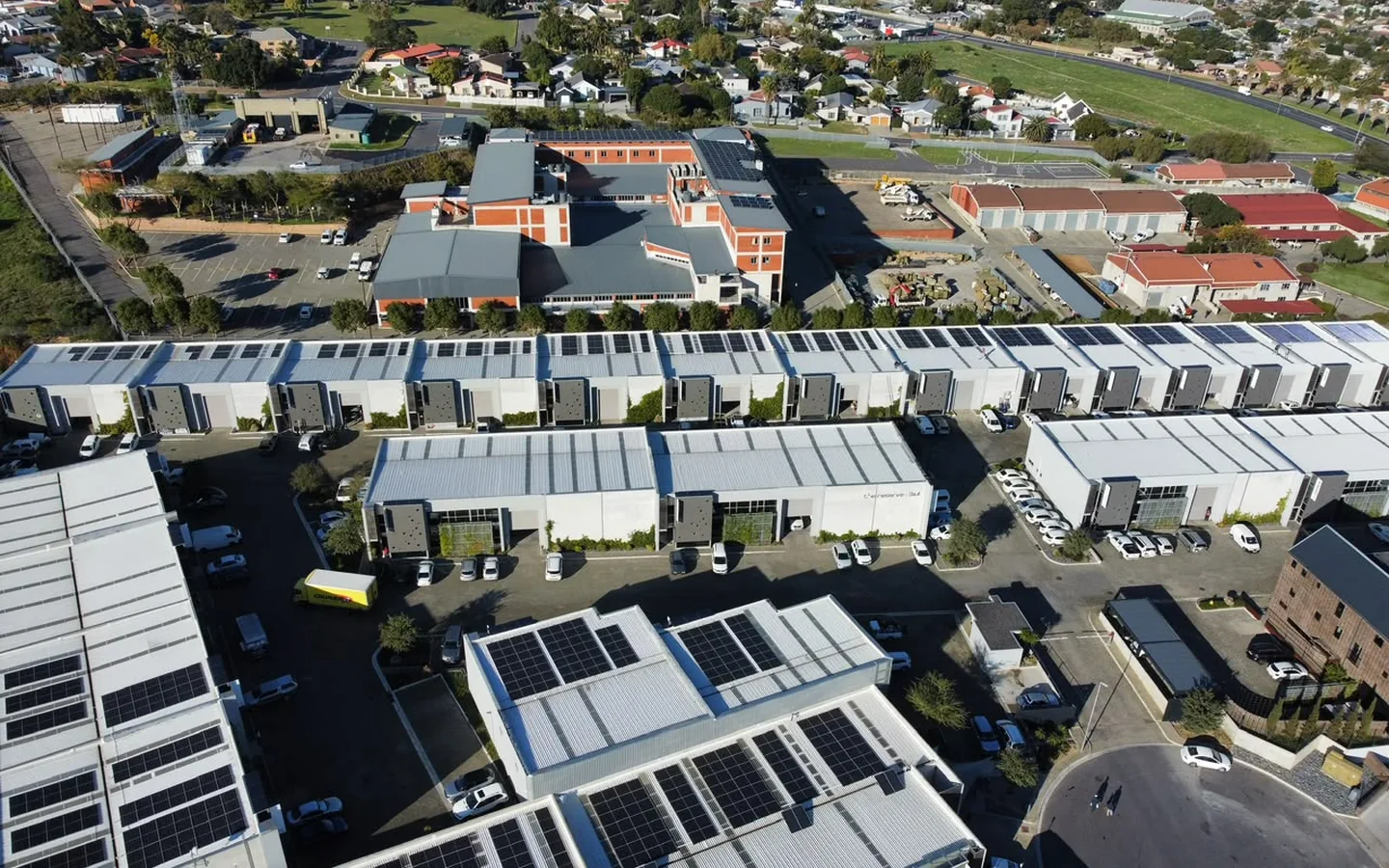
P&P Solar Solutions has completed projects throughout South Africa and elsewhere in Africa. The company’s core focus is on technically suitable commercial, agricultural, industrial and large-scale opportunities where its experience can add measurable value.
Regional project feasibility is assessed individually. Location, transport, accommodation, local standards, site access, available technical resources, commissioning requirements and long-term support must all be considered before the delivery model is confirmed.
This project-specific approach allows P&P Solar Solutions to remain realistic about what is required while still supporting customers beyond a single city or province. For substantial projects, the team can discuss opportunities across South Africa and selected African markets.
Yes. P&P Solar Solutions has designed and installed rooftop photovoltaic systems since 2005. The company brings more than 20 years of practical solar-industry experience to commercial, agricultural, industrial and large-scale energy projects.
The company reports hundreds of completed projects and well in excess of 100,000 rooftop solar panels installed. This experience includes work throughout South Africa and elsewhere in Africa.
The primary focus includes businesses, commercial property owners, farms, factories, warehouses, processing facilities, institutions and other energy-intensive operations requiring professional solar PV, battery storage or hybrid power systems.
Commercial and agricultural systems are generally assessed around the actual site. Electricity use, operating hours, phase configuration, roof or land availability, critical loads, generator use and financial objectives influence the recommended solution.
Yes, where technically suitable. Battery storage, generator coordination, grid supply, solar generation and monitoring can be assessed as parts of a wider hybrid energy system.
Project controls can include risk assessments, method statements, working-at-heights procedures, fall protection, toolbox talks, qualified personnel and daily quality inspections. Client-specific permit and safety requirements are also incorporated where applicable.
The company reports project experience elsewhere in Africa. Each opportunity is evaluated according to project scale, site location, logistics, local requirements, installation resources and support arrangements.
Contact Gerrit on 079 231 3700, send a WhatsApp message or complete the project assessment form. Recent electricity bills, site location, supply information and a short explanation of the required outcome will help start the assessment.
Whether your priority is electricity-cost reduction, operational continuity, battery backup, generator reduction, solar expansion or a complete new energy system, begin with a practical conversation about your site and objectives.