PV Inverters
Single-phase and three-phase grid-connected inverter families can be considered for solar projects where the principal objective is daytime energy production and electricity-cost reduction.
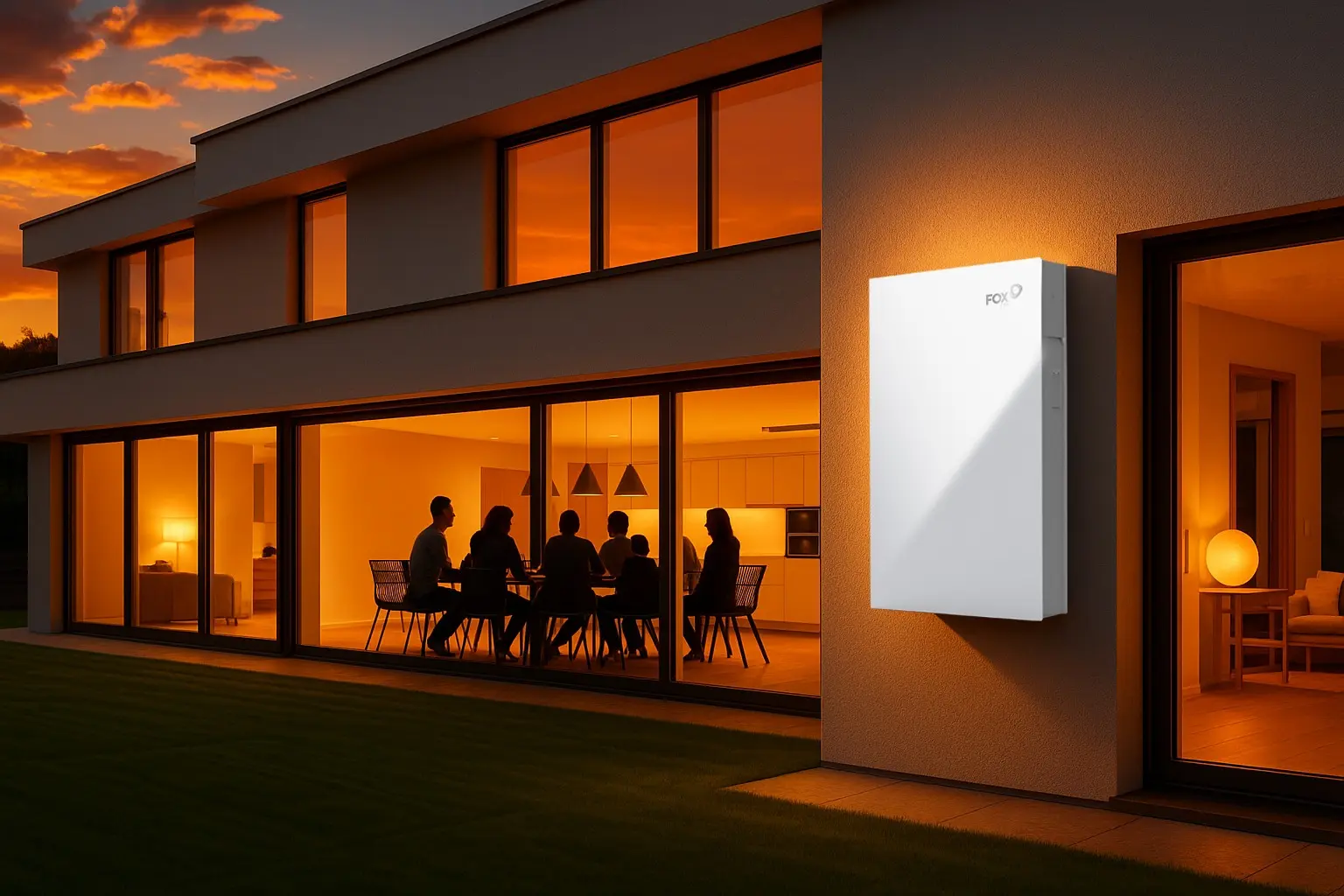
P&P Solar Solutions designs, supplies, installs and commissions FoxESS solar inverter, hybrid, battery storage and energy-management systems for homes, businesses, farms and commercial energy users.
FoxESS provides a broad renewable-energy product ecosystem that includes single-phase and three-phase PV inverters, hybrid inverters, modular lithium batteries, commercial and industrial storage products, EV charging and FoxCloud monitoring. P&P Solar applies these technologies as complete engineered systems rather than isolated products.
FoxESS Certified Installer · Residential, commercial and agricultural solar-and-storage capability
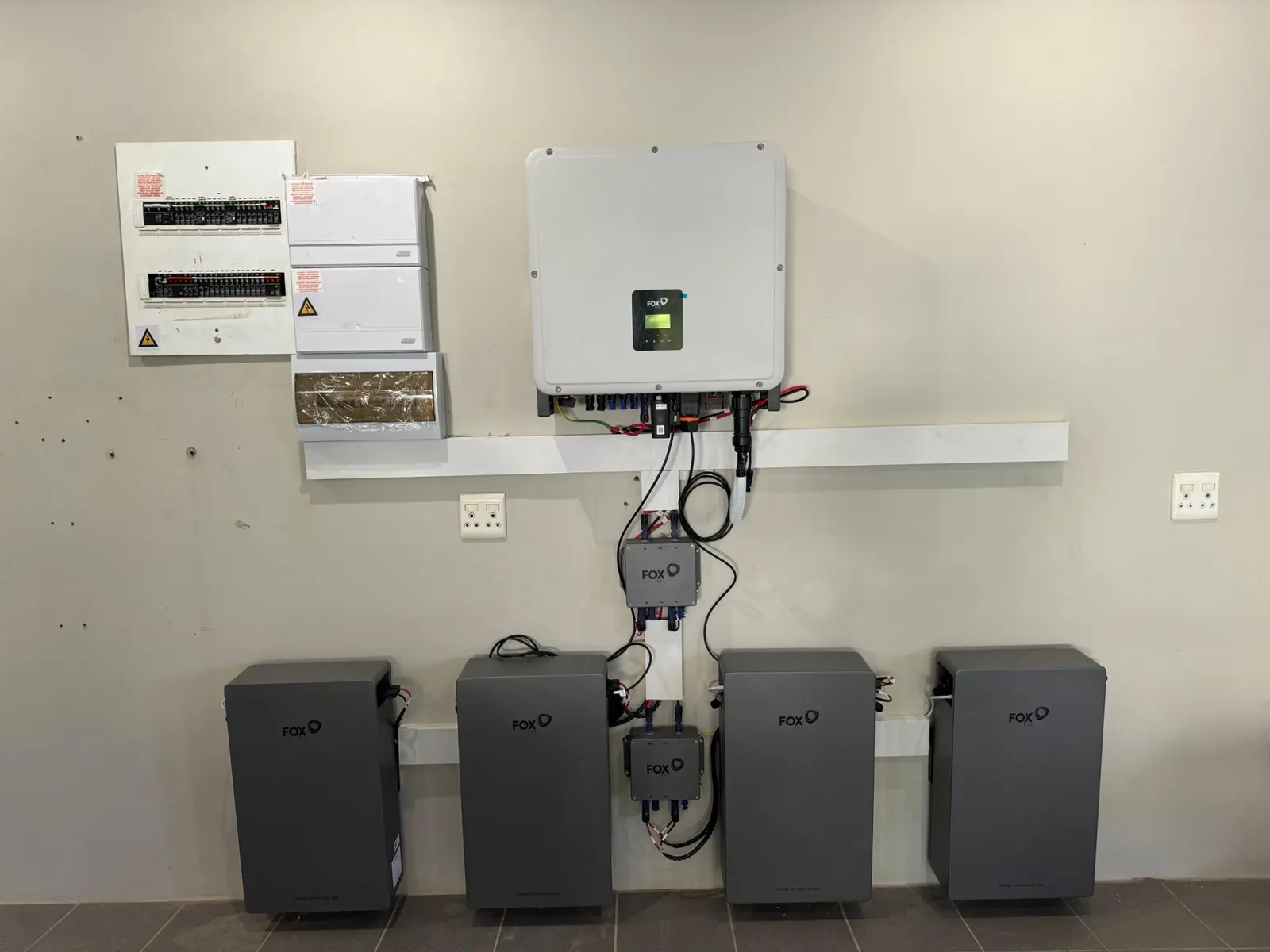
FoxESS is a global renewable-energy technology manufacturer with product categories spanning PV inverters, hybrid inverters, lithium batteries, commercial and industrial storage, EV charging and cloud-based monitoring. This broad portfolio gives system designers several possible architectures for projects ranging from residential backup systems to three-phase commercial solar and storage installations.
The correct solution is not selected by brand name alone. P&P Solar evaluates the property’s electricity use, supply configuration, roof or ground space, backup priorities, battery-duration requirements, major motor loads, generator interface and future expansion objectives. We then determine whether a FoxESS platform is technically appropriate and which product family best matches the project.
This approach protects the customer from oversimplified package sizing. A system that appears suitable from the inverter rating may still be inadequate if the battery cannot support the required discharge power, if motor starting has not been considered, or if the electrical distribution arrangement cannot provide the desired backup coverage.

Fox ESS publishes a product range covering PV inverters, hybrid inverters, lithium battery families, commercial and industrial storage, microinverters, EV chargers and FoxCloud monitoring. Local availability and exact compatibility must always be confirmed during project design.
Single-phase and three-phase grid-connected inverter families can be considered for solar projects where the principal objective is daytime energy production and electricity-cost reduction.
FoxESS hybrid platforms combine solar conversion with compatible battery charging, backup functionality and monitoring. Product families include residential and three-phase options for different project scales.
FoxESS offers modular battery families including ECS, EQ and EP ranges in applicable markets. Battery choice must match the selected inverter, required storage capacity, discharge power and installation environment.
Commercial and industrial storage products can support applications such as operational backup, solar self-consumption, peak-demand management and distributed energy infrastructure.
Compatible EV charging can be considered as part of a wider property energy strategy, particularly where daytime solar production and controlled charging can reduce grid dependence.
Supported FoxESS systems can be monitored through web and mobile interfaces to provide visibility into production, consumption, battery status, system operation and alarms.
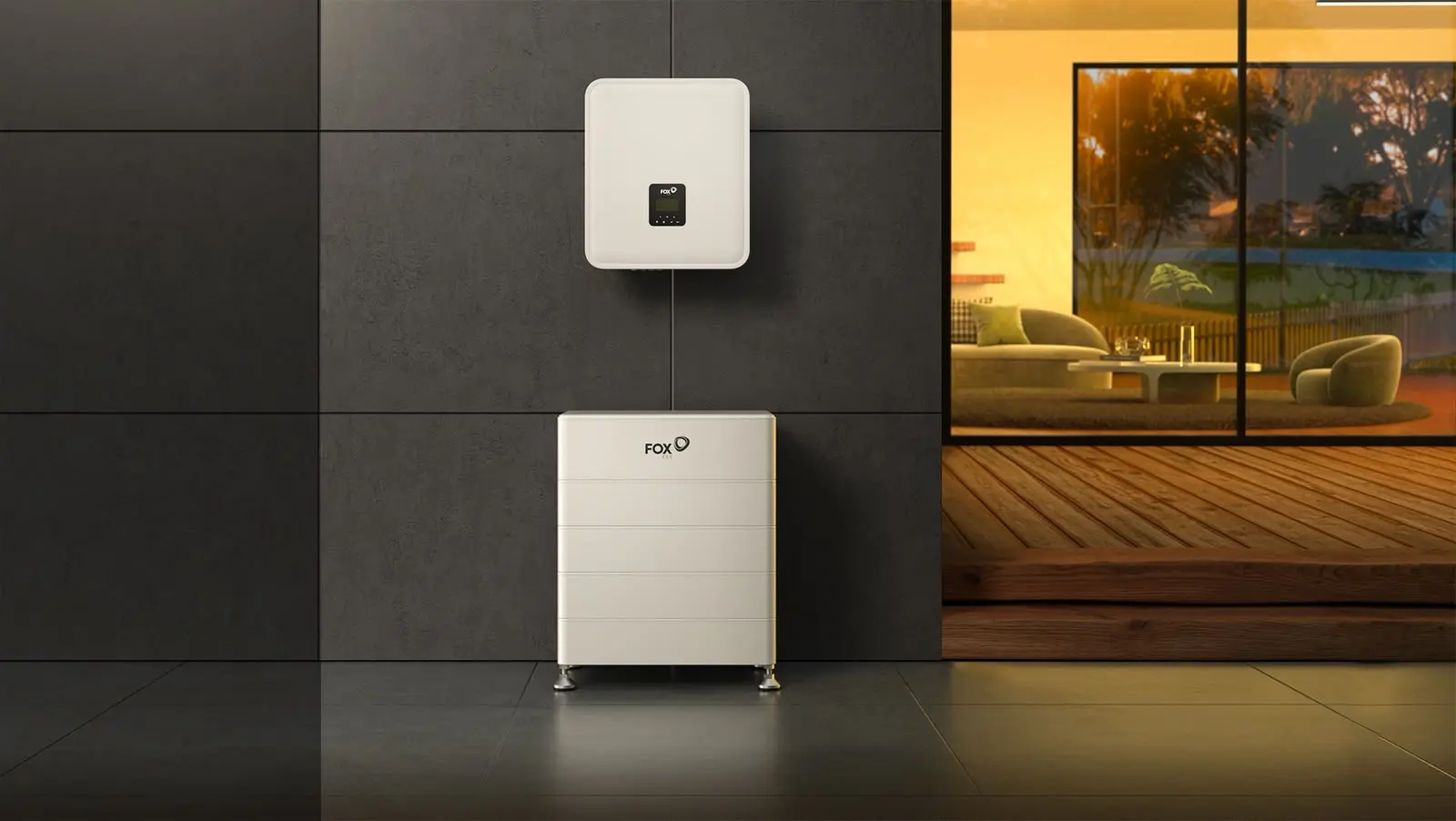
For residential properties, a FoxESS hybrid system can be designed to reduce grid electricity use, store available solar energy and support selected loads during outages. The correct design begins with the customer’s actual priorities: whether the system must cover essential circuits only, provide wider household backup, support electric geysers or pumps, or create future capacity for EV charging.
P&P Solar assesses the property’s single-phase or three-phase supply, distribution boards, roof layout, historical electricity use, daytime consumption and high-demand appliances. We then determine the practical inverter capacity, solar array size and battery storage required.
Backup expectations must be realistic. A battery system’s performance depends on the simultaneous load, inverter output, usable battery energy and duration required. Heavy loads such as ovens, geysers, pool pumps, borehole pumps and air-conditioning can materially change the design.
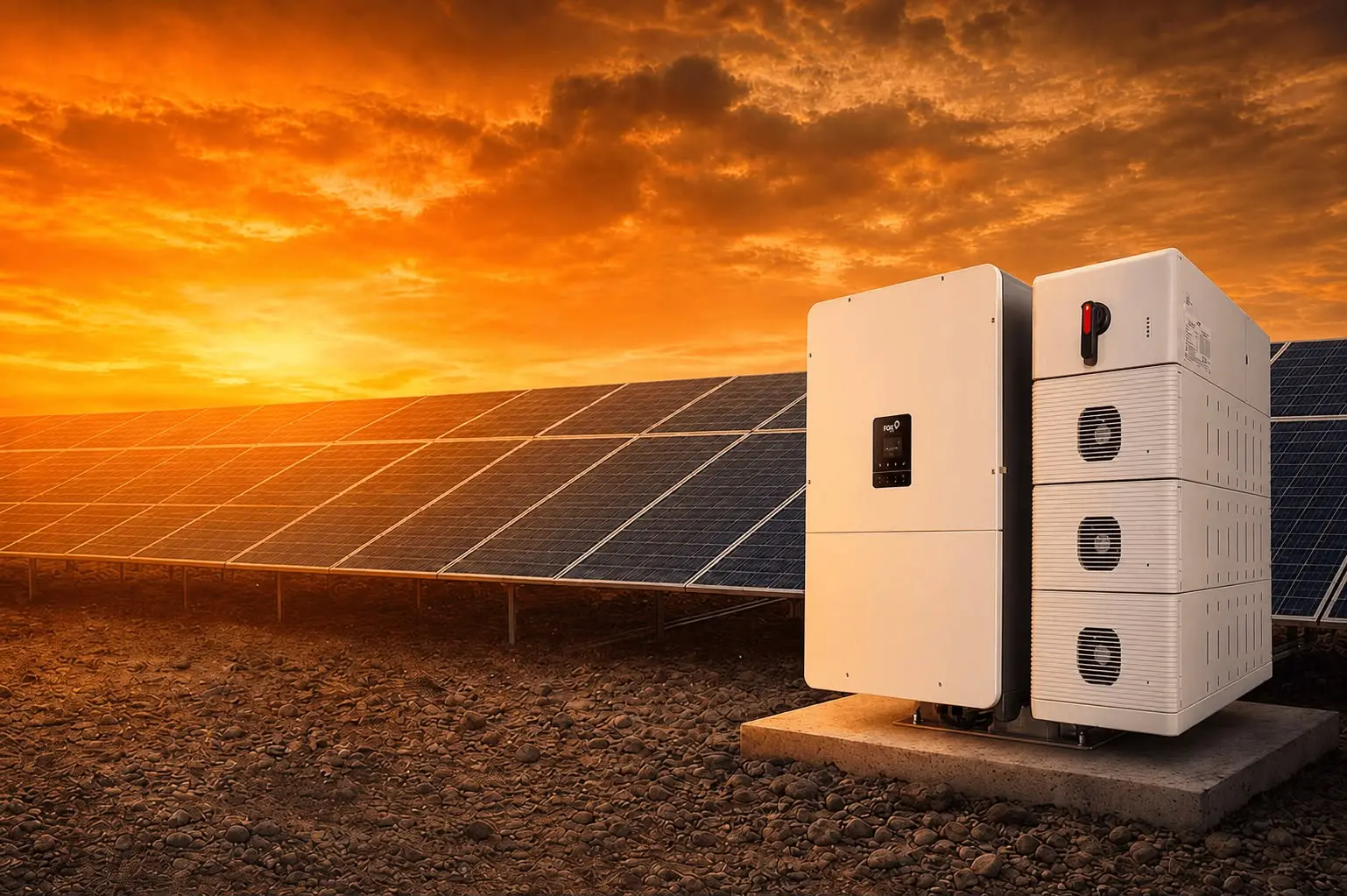
Commercial and agricultural customers often have a more complex energy profile than residential properties. Their systems may need to reduce daytime grid consumption, manage a three-phase supply, support refrigeration or irrigation, maintain critical operations during outages and coordinate with an existing generator.
FoxESS publishes three-phase hybrid inverter ranges and commercial energy-storage products that can be considered for suitable projects. P&P Solar does not apply these products as generic packages. We review interval data where available, major equipment ratings, operating schedules, transformer capacity, maximum demand, tariff structure and the required level of backup.
For farms, this may include irrigation pumps, boreholes, cold rooms, packhouses, poultry houses, dairy equipment, workshops and security systems. For commercial properties, it may include offices, retail, warehousing, hospitality, schools, healthcare, light manufacturing and multi-building sites.
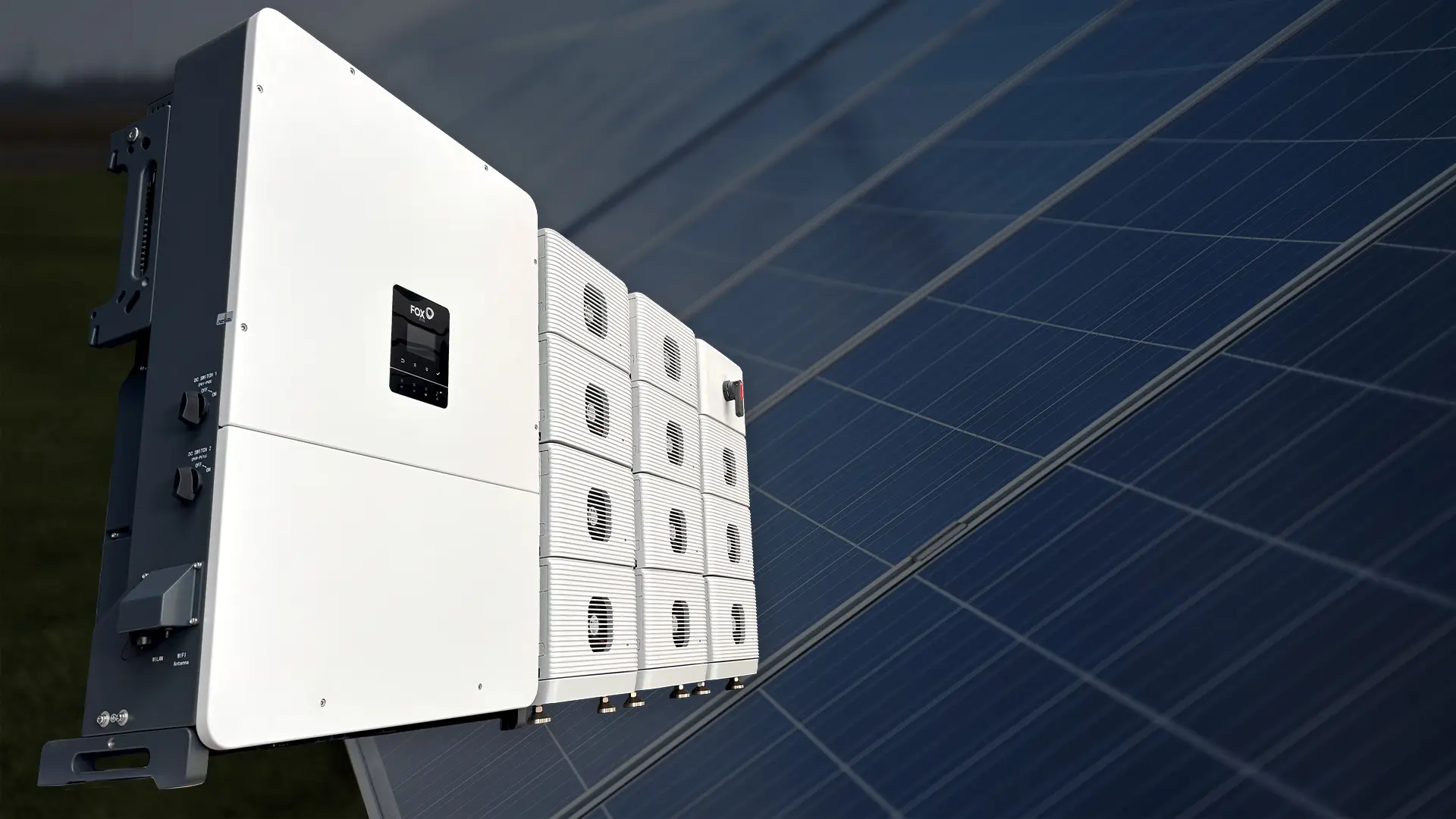
Battery design is often misunderstood because energy capacity and power capability are different. Battery capacity is measured in kilowatt-hours, while the load that the system can run at one time is governed by inverter power, battery discharge limits and the electrical design.
A customer may have enough stored energy for several hours of average consumption but still be unable to start a large motor or support several high-demand loads simultaneously. P&P Solar therefore assesses both the required duration and the maximum operating demand.
FoxESS describes its ECS battery platform as modular and scalable, with plug-and-play architecture in compatible configurations. Other battery families may suit different inverter platforms and project requirements. Final selection is based on current South African availability, compatibility and the manufacturer’s installation rules.
For suitable commercial and industrial projects, FoxESS Power Beast can also be assessed as part of a wider solar, storage, backup and energy-management architecture. The proposed configuration, local product availability and approved compatibility must be confirmed for the specific South African installation.
Battery energy is sized around the critical-load profile and the number of hours the customer needs those loads to operate.
The battery and inverter must support the instantaneous load, including motor starting and temporary demand peaks.
The solar array must be large enough to serve daytime loads and restore battery energy under realistic operating conditions.
Expansion planning considers inverter limits, battery family, physical space, commissioning requirements and product compatibility.
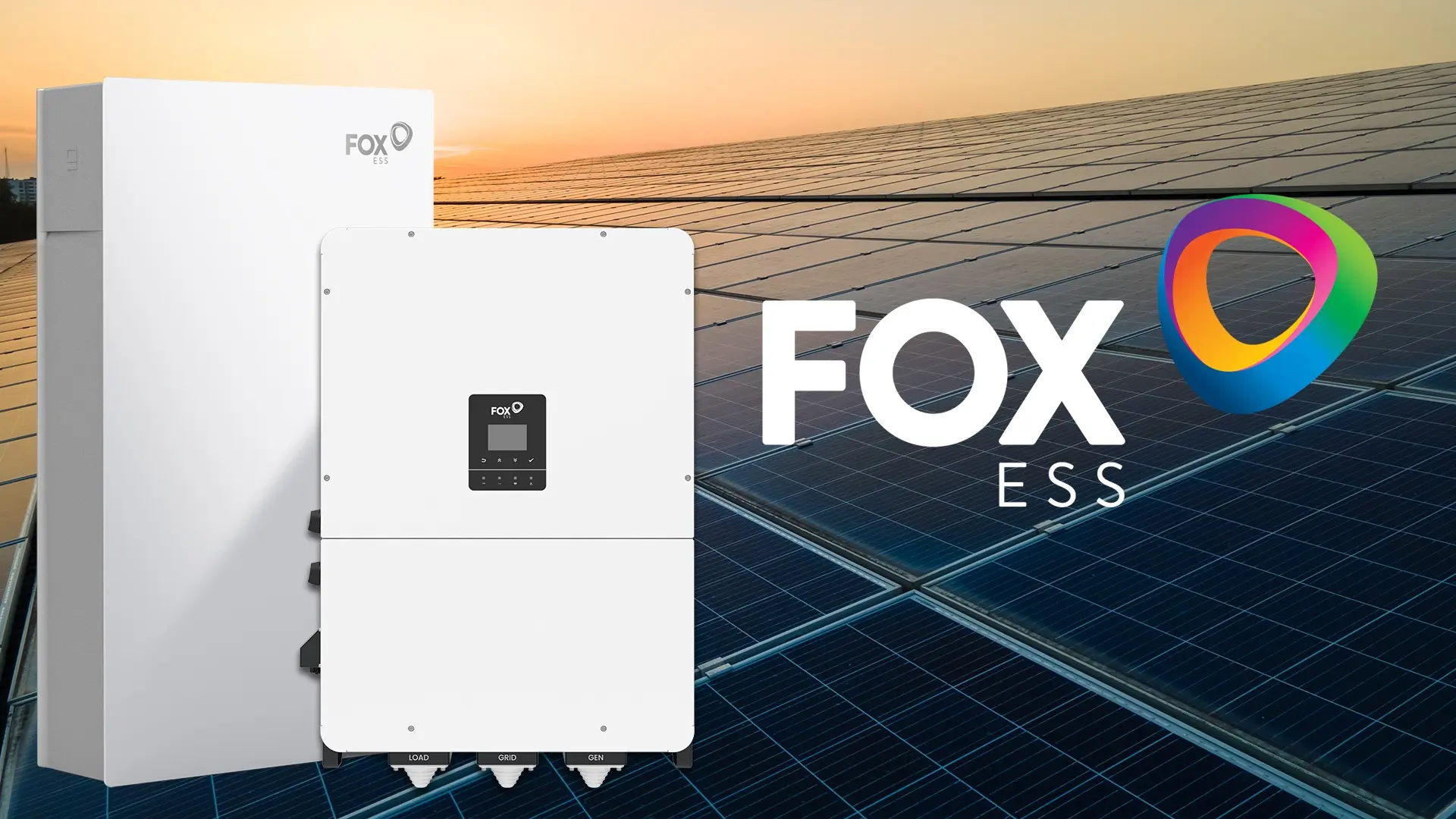
Fox ESS provides FoxCloud 2.0 as its monitoring and energy-visibility platform. Supported systems can provide access to information such as solar production, property consumption, battery operation, grid interaction, system status and alarms.
Monitoring is useful, but it does not replace proper design or commissioning. Data quality depends on correct meter placement, communications, firmware, system configuration and stable internet connectivity. P&P Solar configures the monitoring components included in the approved project scope and explains the key information during handover.
We establish whether the priority is savings, backup power, battery storage, generator reduction, resilience or future expansion.
Electricity bills, supply type, roof or ground space, distribution boards, major loads and existing equipment are assessed.
Consumption, maximum demand, operating schedules, motor loads and required backup duration are evaluated.
The solar array, FoxESS inverter, batteries, protection, backup circuits, monitoring and generator interface are coordinated.
The quotation states the equipment, installation work, assumptions, exclusions and intended operating strategy.
Mounting, cabling, switchgear, inverters, batteries, monitoring and communications are installed to the approved design.
Electrical tests, settings, firmware, backup behaviour, meters, monitoring and alarms are checked.
The system operation is explained, monitoring access is configured and relevant project information is handed over.

FoxESS product knowledge is most valuable when it is applied within a complete electrical and energy design. P&P Solar Solutions combines its supplied FoxESS Certified Installer credential with practical experience in rooftop mounting, PV design, inverter and battery placement, protection, cable routing, monitoring, testing and commissioning.
Certification does not replace project assessment. Each proposed system is still evaluated against the property’s supply type, load profile, backup objective, available roof or ground area, battery power requirement and future expansion plan before equipment is selected.
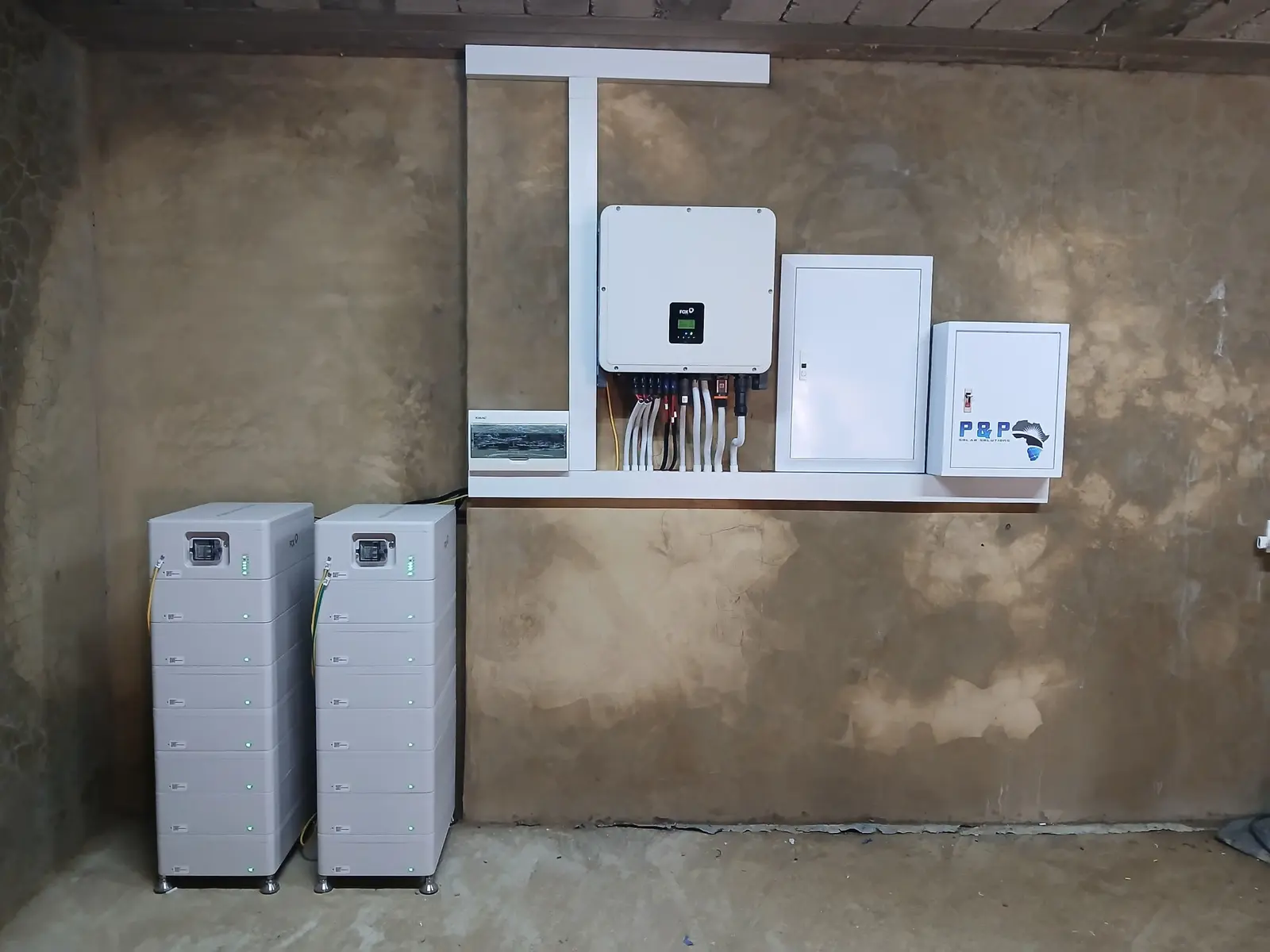
P&P Solar Solutions has designed and installed solar photovoltaic systems since 2005. Across more than 20 years in the industry, the company has completed hundreds of commercial, industrial, agricultural and residential projects and installed well over 100,000 rooftop solar panels.
This installation background is important because successful system performance depends on more than the equipment specification. Roof access, mounting, cable routing, DC string design, AC integration, protection, earthing, battery placement, monitoring, working at heights and long-term maintainability all affect the finished project.
Our team evaluates FoxESS technology in the context of the complete property. We explain what the proposed system can realistically support, avoid overstating backup capability and design around measurable energy requirements.
Hybrid solar, modular batteries, backup power and monitoring for suitable homes and residential properties.
Solar and storage for offices, retail, hospitality, schools, healthcare and property portfolios.
Energy systems supporting irrigation, packhouses, refrigeration, workshops and farm operations.
Three-phase solar, hybrid storage, monitoring and distributed energy solutions for high-demand sites.
Fox ESS offers a broad product portfolio including single-phase and three-phase PV inverters, hybrid inverters, modular batteries, C&I storage, EV charging and FoxCloud monitoring. This gives designers several possible system architectures, subject to local availability and product compatibility.
Yes. FoxESS provides residential and commercial product families. P&P Solar evaluates the load profile, supply type, backup requirements and available installation space before selecting the appropriate platform.
There is no single battery that is best for every project. The correct battery depends on the inverter family, required energy capacity, discharge power, installation environment, available space, expansion plans and current South African product availability.
Possibly, but the design must support the total simultaneous load. Many projects are more practical when essential circuits are separated. Whole-property backup depends on inverter power, battery capacity, motor starting, load management and electrical distribution design.
Generator integration may be possible in suitable projects, but it must be assessed carefully. Generator controls, earthing, changeover arrangements, minimum loading and the intended operating sequence all affect the final design.
Compatible modular systems may support expansion, but this should be planned from the beginning. Battery model, age, firmware, inverter limits, physical space and manufacturer requirements can affect future additions.
P&P Solar focuses on complete installed solutions. Equipment is selected as part of a coordinated project scope covering solar panels, inverters, batteries, protection, cabling, monitoring, testing and commissioning.
Provide the installation address, electricity bills or load data, supply type, backup priorities, major electrical loads, existing solar or generator equipment, photographs of distribution boards and available roof or ground space.
Tell us what you need to power, where the system will be installed and whether your priority is savings, backup, battery storage, commercial resilience or future expansion. P&P Solar will assess the requirement and recommend an appropriate project direction.