01
Irrigation and Water Pumping
Solar support for boreholes, transfer pumps, irrigation systems and water infrastructure, designed around motor power, starting demand, pumping hours and seasonal water requirements.

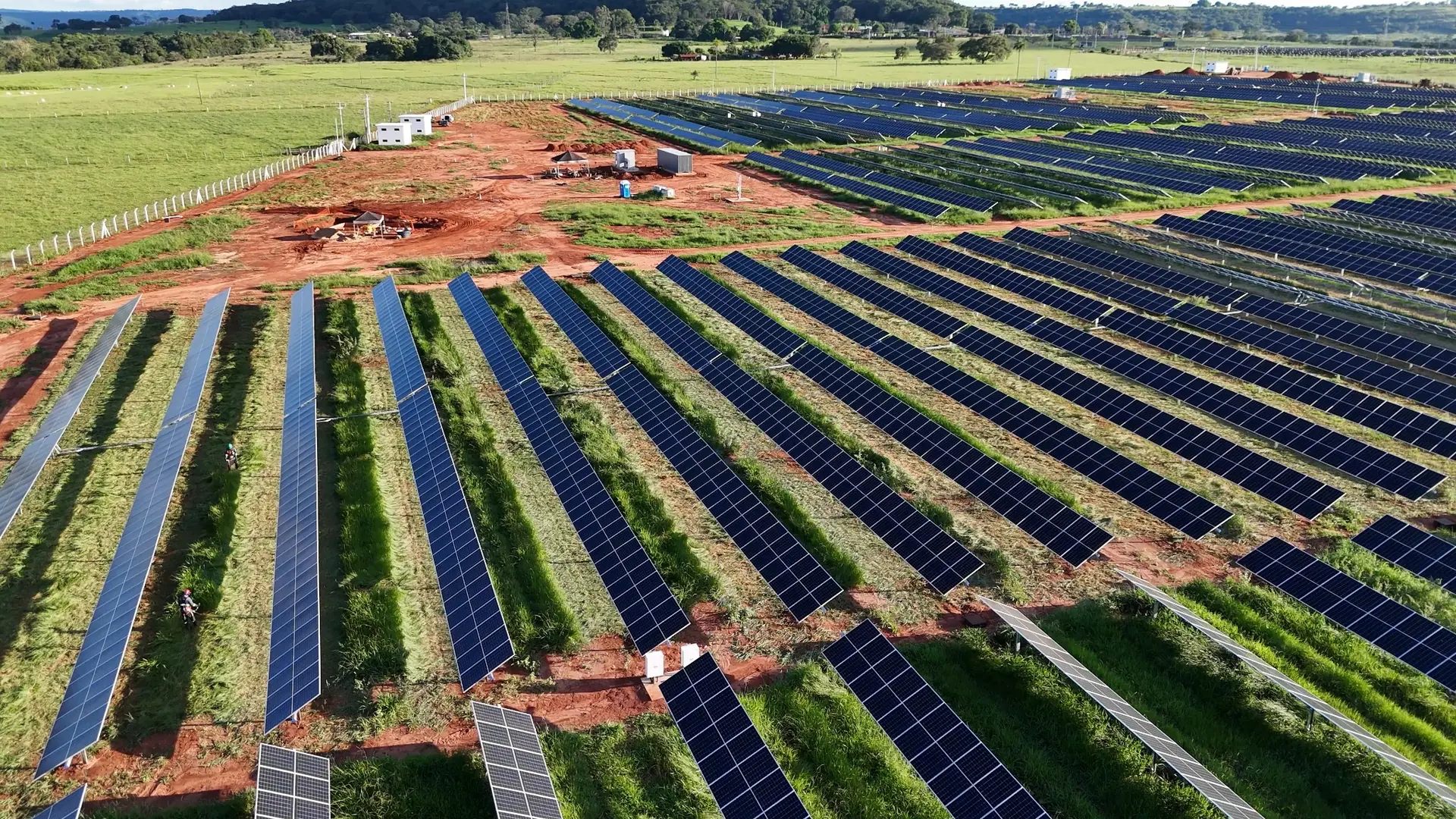
Engineered agricultural solar installations for South African farms and agri-businesses that need lower electricity costs, dependable power for essential operations and a resilient long-term energy strategy.
P&P Solar Solutions is an experienced agricultural solar installation service company designing, supplying, installing and commissioning tailored solar photovoltaic, battery storage and energy-management systems for irrigation, packhouses, cold rooms, poultry, dairy, agricultural processing and mixed farming operations. Each project is developed around measured electricity use, motor and refrigeration loads, seasonal production patterns, site conditions and the practical risks faced by the operation.
Farm solar • Irrigation power • Refrigeration continuity • Agricultural battery storage
Agricultural operations often combine several very different electrical demands. Irrigation pumps may operate for long periods during selected seasons. Refrigeration and cold rooms may need continuous power. Packhouse equipment can run heavily during harvest. Poultry houses, dairies, workshops, offices, staff accommodation, security systems and water infrastructure can all contribute to the same account.
That is why a farm solar proposal should not begin with a generic inverter package. The system must be based on when energy is used, how much power is required at the same time, which loads can be scheduled into solar hours and which loads must continue during an outage.
P&P Solar Solutions evaluates the electrical and operational picture before recommending the balance between solar generation, battery storage, grid interaction and existing standby generation. The objective is to create a system that works for the farm as a business, not merely one that looks impressive on paper.
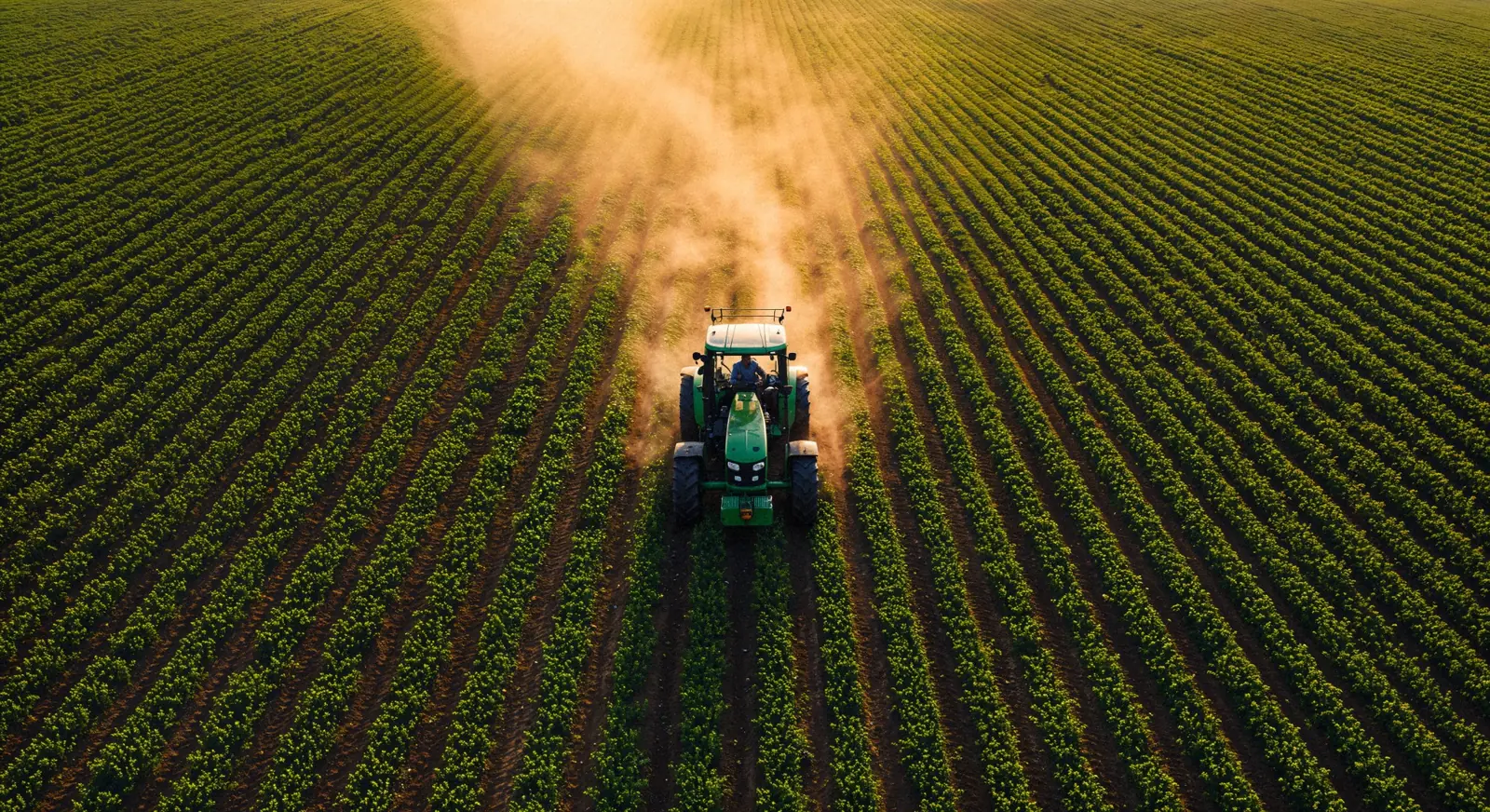
The correct system depends on the site and operating model. P&P Solar Solutions can develop energy solutions for a broad range of agricultural and agri-processing environments.
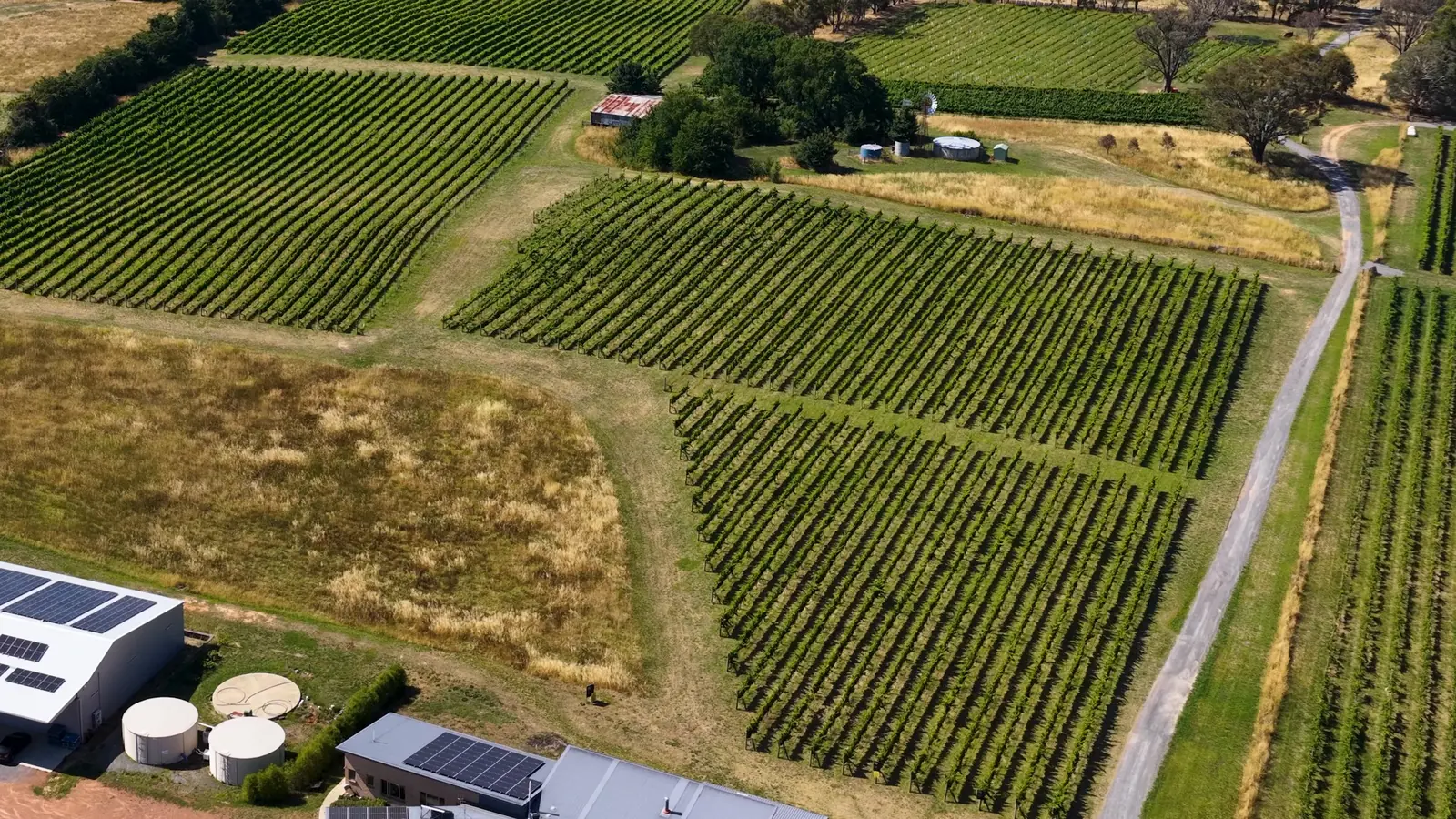
Solar support for boreholes, transfer pumps, irrigation systems and water infrastructure, designed around motor power, starting demand, pumping hours and seasonal water requirements.
Energy solutions for sorting, grading, washing, packing, conveyors, lighting, offices and the operational loads associated with preparing produce for market.
Solar and battery strategies for refrigeration, cooling and temperature-sensitive storage where product quality and uninterrupted operation are critical.
Power solutions for ventilation, heating controls, feeding systems, lighting, pumps, monitoring and essential services in poultry production environments.
Support for milking equipment, cooling, pumps, cleaning systems, water heating and other time-sensitive loads that form part of daily dairy operations.
Commercial and industrial solar solutions for food processing, milling, drying, preparation, packaging and related production facilities.
Energy for maintenance workshops, stores, offices, security, staff facilities, communications and other supporting infrastructure across the property.
Containerised or modular solar and battery systems for remote sites, new developments, distributed operations and locations where conventional infrastructure is limited.
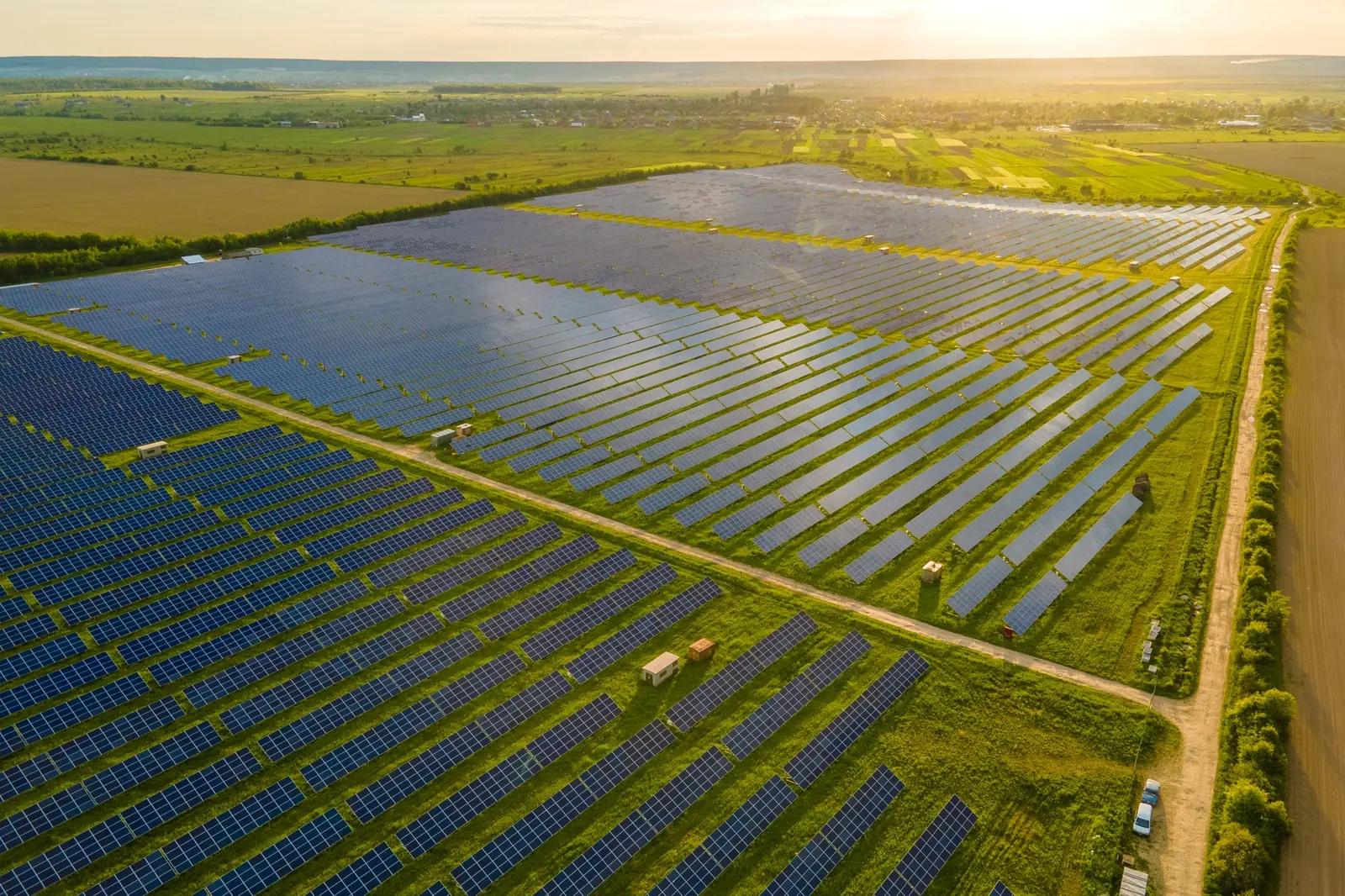
Monitoring gives farm owners and managers visibility into how the solar and battery system is performing. Depending on the selected technology and system configuration, the platform may show solar production, facility consumption, grid import, battery state of charge and device status.
This information can help identify when energy-intensive processes are running, whether loads are aligned with solar production and whether future expansion or operational changes should be considered. For multi-site agricultural groups, suitable platforms may also provide consolidated visibility across different properties.
An irrigation project cannot be designed responsibly from the pump kilowatt rating alone.
Motor starting current, variable-speed drives, pumping head, flow requirements, daily run time, seasonal operating periods, borehole behaviour and the availability of water storage all influence the system design. In some cases, it may be more efficient to pump more water during solar-production hours into a reservoir or storage dam rather than attempt to store all required energy in batteries.
Where irrigation must continue outside solar hours or during poor weather, the design may need to coordinate solar, grid supply, battery storage or generator support. The best approach depends on the cost of interruption and the flexibility of the pumping schedule.
Solar generation can reduce daytime electricity purchases, but it does not automatically provide backup during a power interruption. Battery storage and suitable hybrid or backup architecture are required where the farm needs selected loads to remain operational.
The correct storage strategy depends on the consequence of losing each load. A security system, communications network, controller, cold room, ventilation fan and large irrigation pump have very different power and energy requirements. Treating every load as equally critical can make the battery system unnecessarily expensive, while excluding important controls can leave the operation vulnerable.
P&P Solar Solutions can help divide the site into essential, priority and non-essential loads and then design the system around the desired operating duration. This creates a more practical relationship between inverter capacity, battery capacity, solar charging and generator support.
Rooftop, carport or ground-mounted solar arrays designed around available space, shading, expected yield, structural conditions and the farm load profile.
Storage sized for selected-load backup, energy shifting, production continuity or broader microgrid operation according to the project objective.
Appropriate power-conversion equipment selected for the site supply, phase configuration, motor loads, battery platform and required operating modes.
AC and DC protection, isolation, earthing, cabling, distribution integration and switching designed for the requirements of the installation.
Evaluation of existing standby generation and the intended interaction between grid, generator, solar and battery equipment.
Energy visibility, device monitoring, historical trends and remote diagnostics where supported by the selected technology.
Verification of installation quality, configuration, protection, communications and operating behaviour before handover.
System architecture can be considered with future solar, storage, inverter or operational expansion in mind where practical.
A farm’s electricity bill is a useful starting point, but it does not explain the complete operating requirement. Agricultural energy design should consider load timing, seasonal changes, critical processes and site conditions.
Agricultural projects require proper planning around production schedules, site access, safety, electrical shutdowns and the practical requirements of the operation.
Understand the farming operation, electricity problem, seasonal profile and primary project objectives.
Evaluate bills, tariffs, load data, motor requirements, operating hours and critical processes.
Inspect electrical infrastructure, roofs or ground areas, cable routes, access and existing generation equipment.
Develop the proposed solar, storage, inverter, protection and control architecture for the site.
Present the recommended scope, assumptions, system configuration, exclusions and commercial route.
Coordinate approved equipment, site programme, safety documentation, logistics and installation resources.
Complete mechanical and electrical works with attention to farm access, production activity and site controls.
Test, configure and hand over the system with monitoring guidance and ongoing support arrangements.
P&P Solar Solutions has installed rooftop PV systems since 2005 and reports more than 100,000 rooftop modules installed across hundreds of projects. Its documented approach includes site-specific risk assessments, task-specific method statements, working-at-heights procedures, fall protection, toolbox talks, qualified personnel and daily quality inspections.
Agricultural sites add their own practical considerations. Teams may need to work around livestock, vehicles, production areas, food-handling environments, irrigation routes, remote buildings and active machinery. Installation planning should therefore be coordinated with the farm or facility so that work can proceed safely and with minimal disruption.
P&P Solar Solutions can develop agricultural systems using technology selected for the required project scale, operating mode and future expansion strategy. Sigenergy and FoxESS each offer different inverter, battery and monitoring options that may suit selected agricultural applications.
Technology should not be chosen from brand recognition alone. The electrical design, motor loads, required storage capacity, phase configuration, environmental conditions, service strategy and monitoring requirements must all be considered.
Integrated solar, battery and intelligent energy-management technology with modular options for selected commercial and agricultural applications.
View Sigenergy Solutions →Flexible inverter and battery technology for projects requiring reliable conversion, storage and monitoring across a range of system sizes.
View FoxESS Solutions →Qualifying agricultural businesses may be able to explore commercial solar finance or a Power Purchase Agreement through relevant financing partners. These structures can help suitable projects move forward without the full capital cost being paid upfront.
Availability depends on the project size, energy profile, site, credit assessment, legal structure and the requirements of the financing provider. Finance and PPA options are not automatic and should be evaluated alongside outright purchase and the expected long-term project economics.
All finance and PPA solutions remain subject to partner assessment, project suitability and formal approval.
Yes. Solar can support irrigation pumps, boreholes and water-transfer systems. The design must consider motor size, starting current, phase configuration, pumping head, daily operating hours, seasonal demand and whether water can be stored during solar-production hours.
Yes. Battery storage can support selected farm loads during outages and can also form part of a broader energy-management strategy. The storage capacity should be based on the required power, duration, charging source and operating objective.
The priority depends on the operation. Typical critical loads may include controls, security, communications, refrigeration, ventilation, lighting, water systems and selected production equipment. A load assessment helps separate essential loads from those that can remain off during an interruption.
Often, yes. Grid supply, solar, battery storage and an existing generator may be coordinated as part of one hybrid system. Compatibility, controls, changeover arrangements, generator sizing and the desired operating sequence must be assessed.
Where the equipment platform, electrical design and available installation area permit it, future expansion can be planned. This should be considered during the original design so that cabling, distribution, inverter and battery architecture do not unnecessarily restrict later growth.
Ground-mounted solar can be a strong option where suitable land is available and rooftop space is limited or unsuitable. The assessment should consider shading, soil and structural requirements, security, fencing, cable distances, access and future land use.
Send recent electricity bills, the farm location, details of major pumps and motors, operating hours, seasonal changes, generator information, backup priorities and any available photographs or plans of the proposed roof or ground area.
Finance and Power Purchase Agreement options may be available for qualifying agricultural projects through relevant partners. Every application remains subject to project suitability, credit assessment, legal review and approval.
Send us a recent electricity bill, the project location and a summary of your irrigation, refrigeration, processing or backup requirements. We will use this information to prepare for a meaningful technical discussion.