Office Parks and Corporate Facilities
Use available rooftop or parking-area space to offset daytime electricity consumption from lighting, air conditioning, office equipment, lifts, security systems and shared building services.

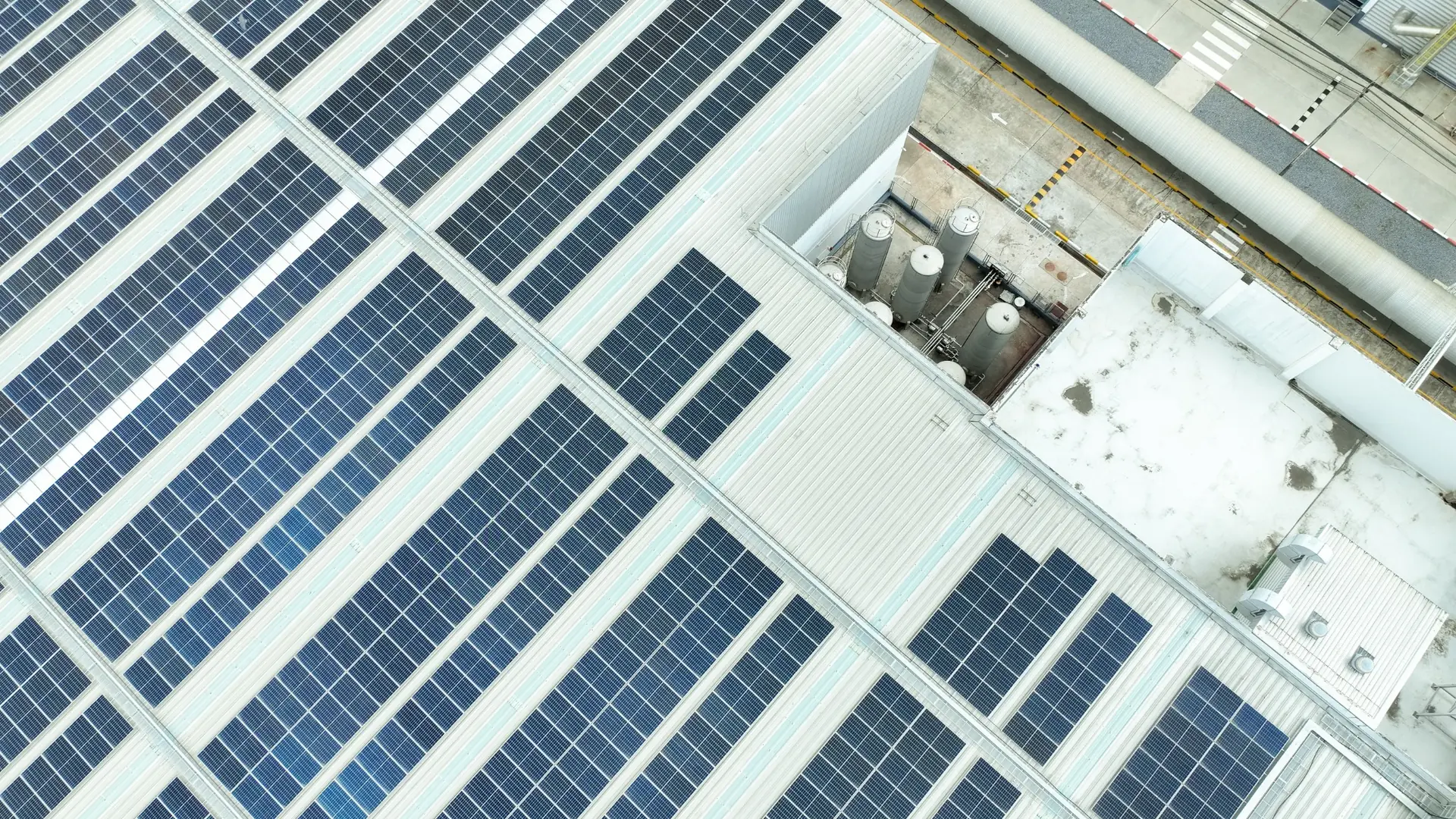
Engineered commercial solar installations for South African businesses that need lower electricity costs, stronger energy resilience and a dependable long-term power strategy.
P&P Solar Solutions is an experienced commercial solar installation service company delivering tailored photovoltaic, battery storage and energy-management projects for offices, retail properties, warehouses, hospitality facilities, schools, healthcare environments, property portfolios and light-industrial operations. Each system is designed around measured energy use, site conditions, electrical infrastructure and the customer’s commercial objective.
From feasibility to commissioned energy asset. Site assessment, system design, professional installation, electrical integration, testing, commissioning and monitoring can be coordinated as one commercial project.
Commercial electricity use is rarely simple. A business may have substantial daytime consumption, seasonal demand, high peak loads, essential machinery, refrigeration, air conditioning, lighting, pumps, data infrastructure or operating schedules that extend beyond daylight hours. A useful solar solution must account for these realities before equipment is selected.
P&P Solar Solutions approaches commercial solar as an integrated energy-engineering project. We consider the electricity account, consumption profile, operating hours, tariff structure, electrical distribution, usable roof or ground area, structural and access conditions, backup priorities, generator interaction, future expansion and the customer’s financial objective.
The outcome may be a solar-only grid-interactive system, a hybrid solar and battery installation, a staged solution that allows future storage expansion, or a larger integrated energy project. The purpose is not to install the maximum amount of equipment possible. The purpose is to create a technically sound system that supports the business case.
Choosing a commercial solar installer is a business decision as much as a technical one. The installation will interact with the property’s electrical distribution, roof structure, operating schedule, essential equipment and long-term energy costs. P&P Solar Solutions brings more than two decades of practical solar experience to this process, with work completed across commercial, industrial, agricultural and residential environments in South Africa and elsewhere in Africa.
Since 2005, the company has designed and installed rooftop photovoltaic systems and has accumulated experience across hundreds of projects comprising well over 100,000 solar panels. That depth of installation exposure matters because commercial sites differ significantly. A warehouse with broad daytime demand requires a different design approach from a hospitality property with evening loads, a school with seasonal occupancy, a retail centre with multiple tenants or a processing facility with motors and refrigeration.
Our role is to translate the customer’s electricity problem into a practical energy project. This means reviewing the available data, identifying the loads that solar can offset, determining whether battery storage is justified, assessing existing generators or backup infrastructure, planning safe installation routes and selecting equipment that suits the project architecture.
Customers are not pushed toward a standard package. The recommended solution is developed around what the site can support and what the business needs the system to achieve. This disciplined approach helps avoid under-sized backup systems, oversized batteries without a clear operating purpose, unsuitable inverter configurations and solar arrays disconnected from the real consumption profile.
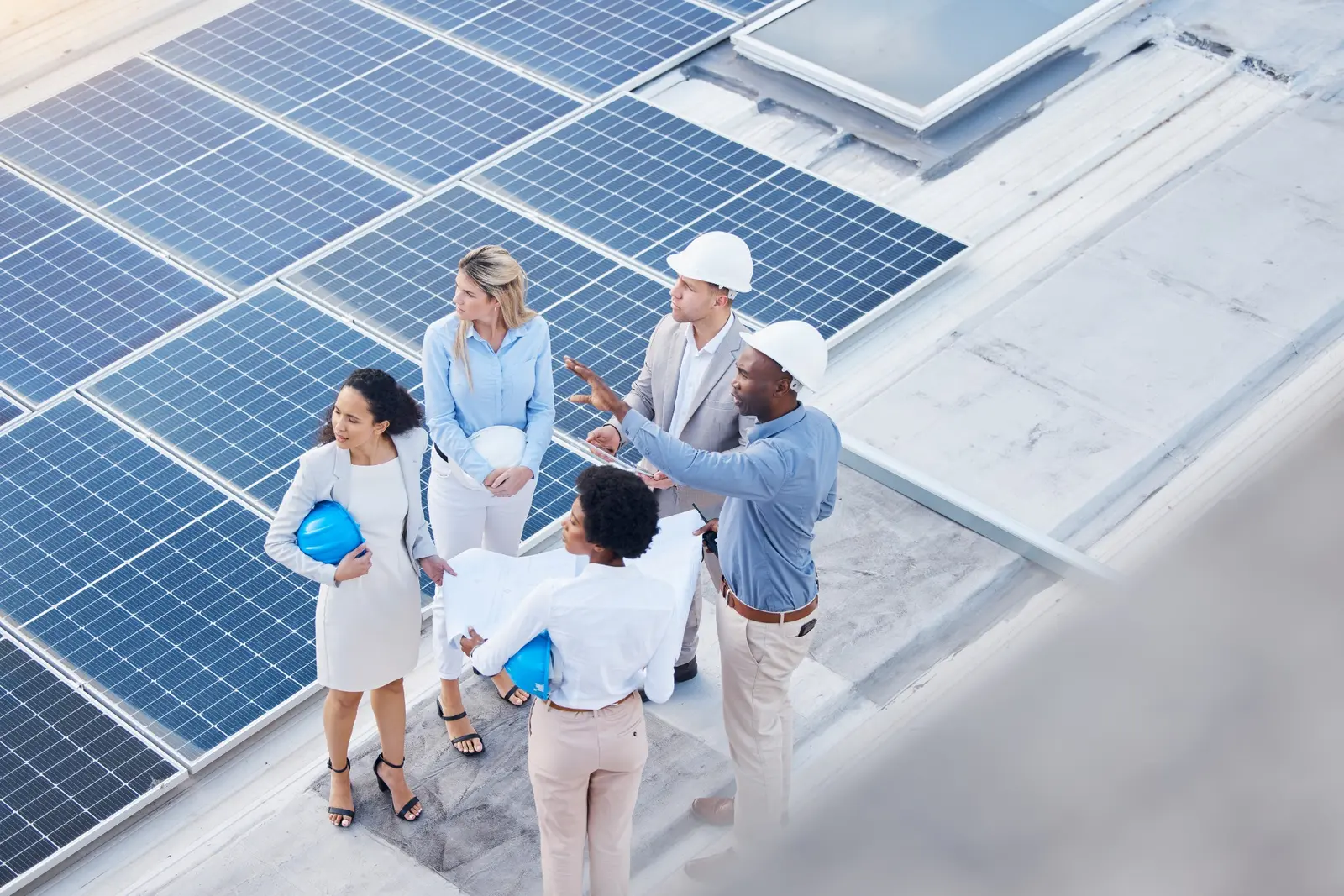
The system architecture, installation method and energy strategy are adapted to the property and the way the organisation operates.
Use available rooftop or parking-area space to offset daytime electricity consumption from lighting, air conditioning, office equipment, lifts, security systems and shared building services.
Support high daytime and evening loads with an appropriately designed mix of solar generation, battery storage and grid interaction for customer-facing properties.
Convert large roof areas into productive energy assets while supporting lighting, offices, refrigeration, charging loads, security infrastructure and operational equipment.
Improve energy reliability for facilities where continuity, predictable budgets and support for essential services are especially important.
Develop a repeatable assessment and rollout approach across multiple facilities while retaining site-specific designs, monitoring and performance visibility.
Offset substantial operational loads and integrate solar with three-phase distribution, battery storage and existing backup systems where technically appropriate.
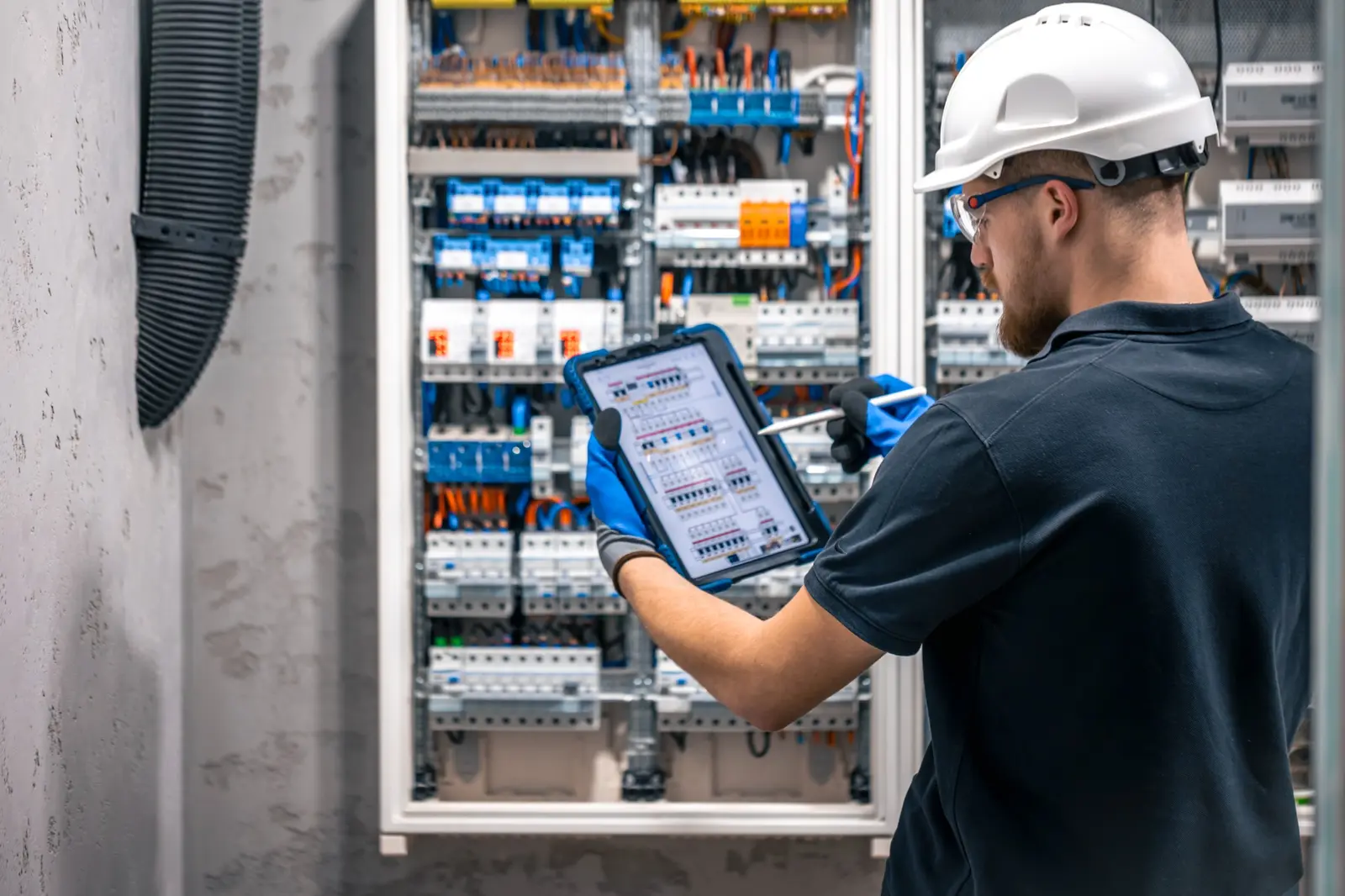
A commercial energy system should be visible and manageable after commissioning. Monitoring can provide insight into solar production, facility consumption, grid import, battery behaviour and equipment status. This gives owners and facility managers a clearer understanding of whether the system is operating as intended.
Where supported by the selected technology and project configuration, monitoring can also assist with identifying unusual consumption, reviewing energy trends, comparing sites, investigating faults and planning future expansion.
Rooftop, carport or ground-mounted photovoltaic generation designed around usable area, electrical limitations, expected yield and the business load.
Storage sized for the required objective, whether that is selected-load backup, energy shifting, operational resilience or a broader energy-management strategy.
Appropriate grid-interactive, hybrid or storage conversion equipment selected according to phase configuration, system capacity and operating mode.
AC and DC protection, isolation, distribution integration, cabling, earthing and switching designed for the requirements of the installation.
Monitoring, controls, metering and system logic that provide visibility and coordinate the selected energy assets where supported.
Assessment of existing standby generation and the interaction between solar, storage, grid and generator equipment where integration is required.
Verification of installation quality, configuration, protection, communications and system operation before practical handover.
System architecture can be considered with future battery, inverter, solar-array or operational expansion in mind where the technology permits.
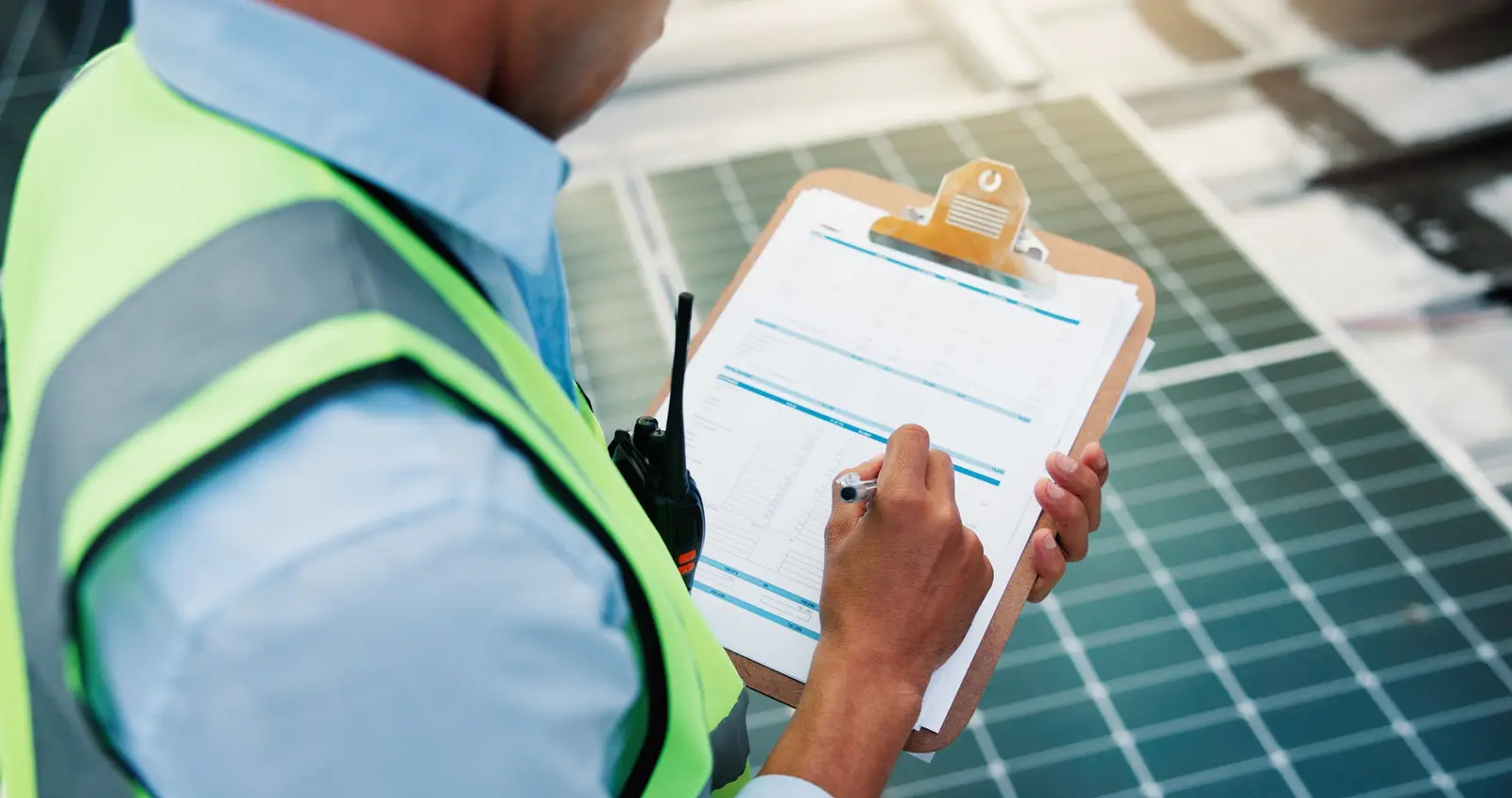
A quotation based only on a monthly bill total can miss important technical and financial factors. For meaningful commercial projects, the assessment should progressively build a clear picture of the site and energy requirement.
The exact sequence depends on project size and complexity, but commercial solar should follow a controlled technical and project-management process.
Clarify the site, electricity problem, project goals, business priorities and available information.
Review bills, load information, tariffs, operating patterns and the potential role of solar and storage.
Assess installation areas, electrical infrastructure, access, cable routes, safety requirements and site constraints.
Develop the proposed system architecture, equipment strategy, array design and operating concept.
Present the proposed scope, system configuration, exclusions, assumptions and commercial route for consideration.
Coordinate approved equipment, programme, site requirements, safety documentation and installation logistics.
Complete mechanical, electrical, cabling, protection and equipment installation under project controls.
Test, configure and hand over the system with monitoring guidance and ongoing technical support arrangements.
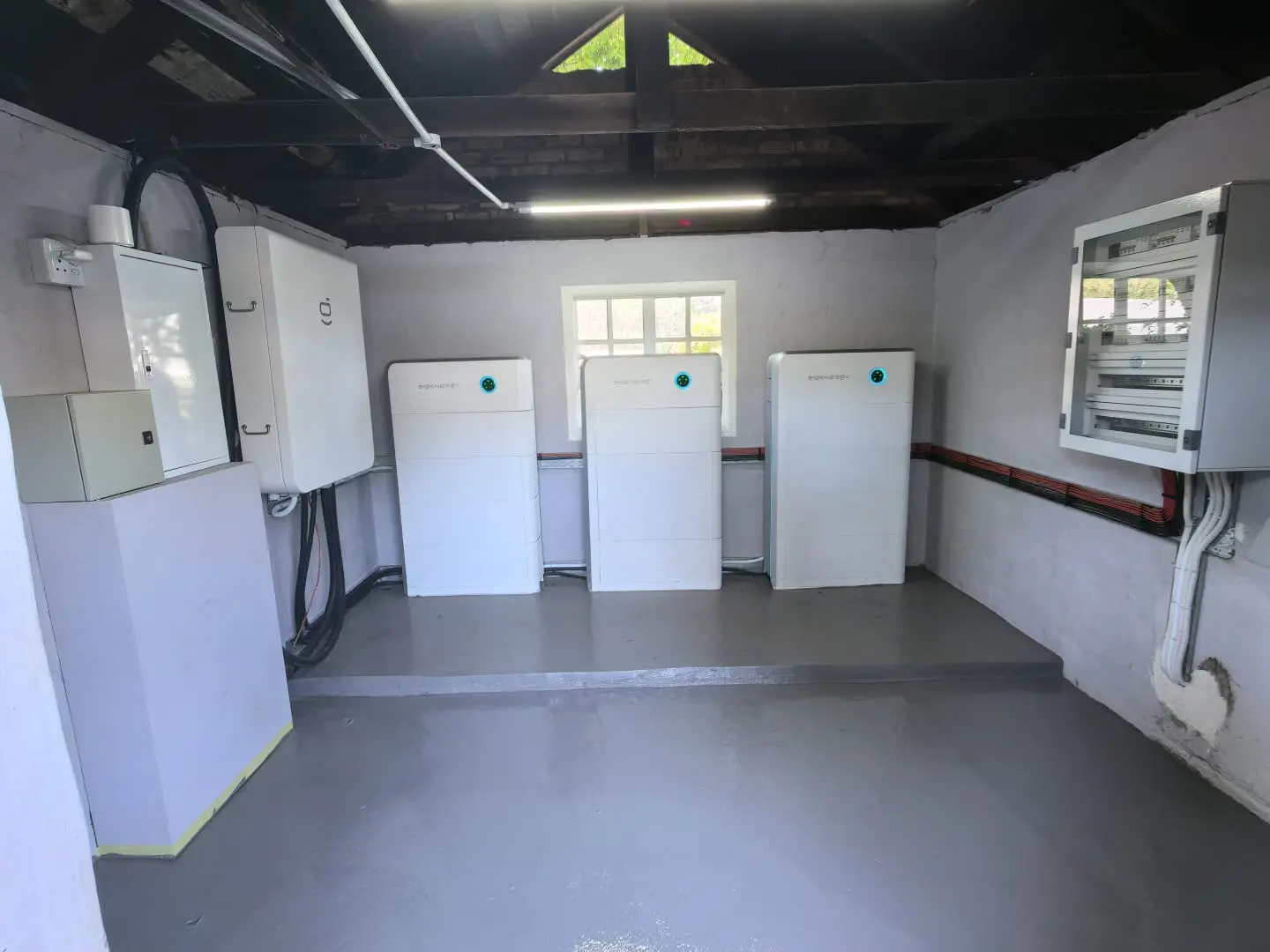
Solar generation can reduce daytime grid consumption. Battery storage can add another layer of control, but it should be sized for a clearly defined operational purpose.
For some businesses, the priority is selected-load backup during power interruptions. For others, storage may support evening consumption, reduce exposure during expensive periods, improve self-consumption or coordinate a more complex hybrid energy system. These objectives require different battery capacities and control strategies.
P&P Solar Solutions evaluates the required loads, desired duration, expected cycling, inverter power, charging sources and available energy before proposing storage. This avoids presenting a large battery figure without explaining what the usable system is expected to achieve.
Technology is evaluated against the required capacity, system topology, operating mode, battery strategy, scalability, monitoring requirements and compatibility with the site.
Sigenergy solutions can support modern commercial solar and battery projects requiring integrated power conversion, modular storage, intelligent controls and comprehensive monitoring.
FoxESS technologies provide options for commercial photovoltaic, hybrid and battery-storage projects where flexible system configuration and remote visibility are important.
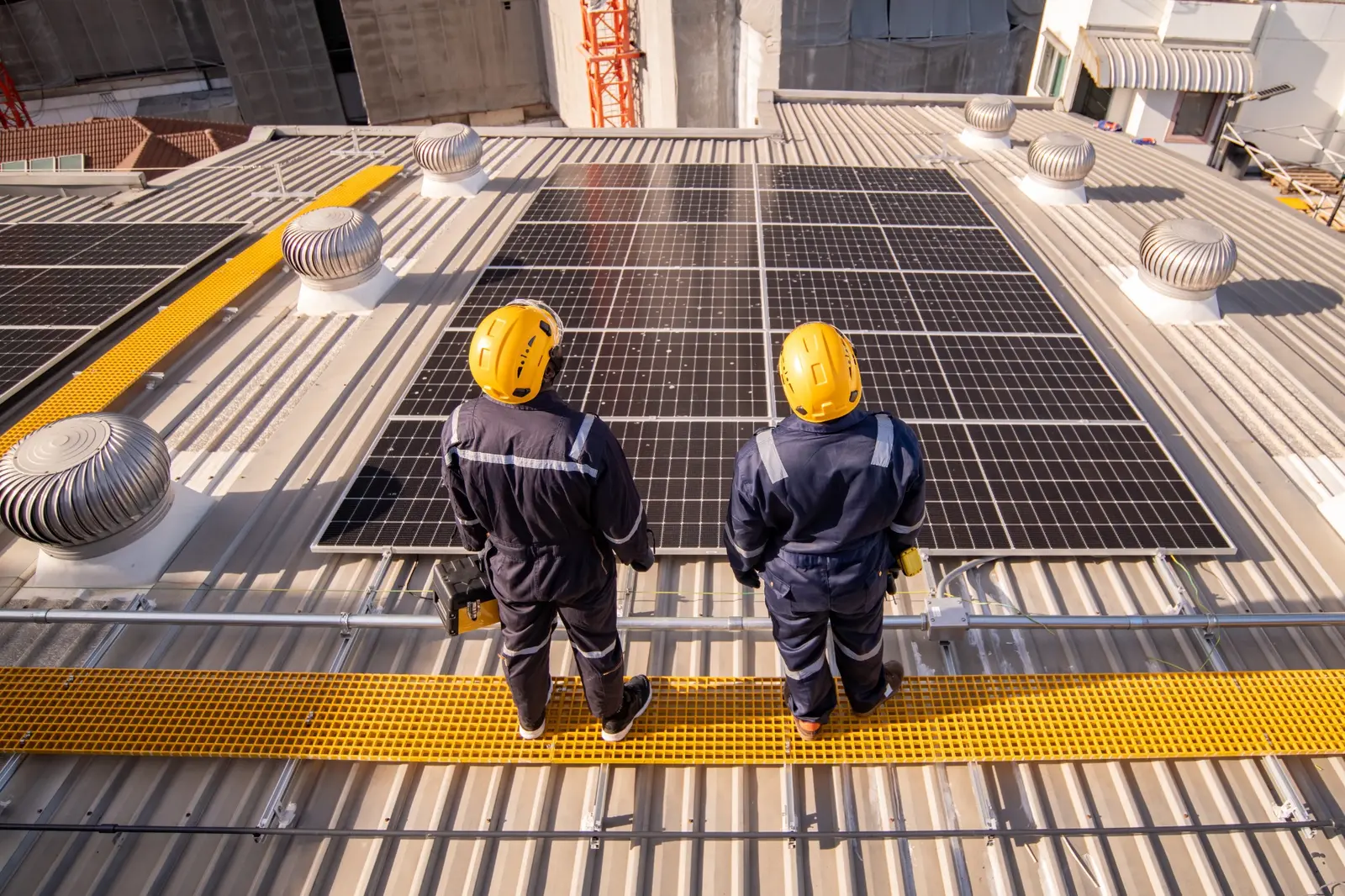
P&P Solar Solutions has designed and installed rooftop photovoltaic systems since 2005 and reports an excellent safety record across hundreds of projects. Standard rooftop PV work includes mounting-system installation, mechanical fixing, module installation, DC and AC cabling, inverter installation, testing and commissioning.
Project-specific requirements vary. Installation activities should therefore be supported by appropriate risk assessments, method statements, working-at-height procedures, fall-protection measures, toolbox talks, qualified personnel and routine quality inspections. Where a client has a permit-to-work system or additional health and safety requirements, those requirements form part of project planning and execution.
Use on-site solar generation to offset a portion of daytime electricity consumption and reduce exposure to future tariff increases.
Incorporate storage and hybrid functionality where critical loads or continuity requirements justify the additional capability.
Move part of the organisation’s energy requirement into a long-term asset or contracted energy strategy with more visible costs.
Transform suitable roofs, carports or unused ground areas into electricity-generating infrastructure for the facility.
Reduce reliance on conventional grid electricity and create measurable renewable-energy production data for reporting.
Where technically possible, prepare for new loads, additional production, more storage or future operating changes.
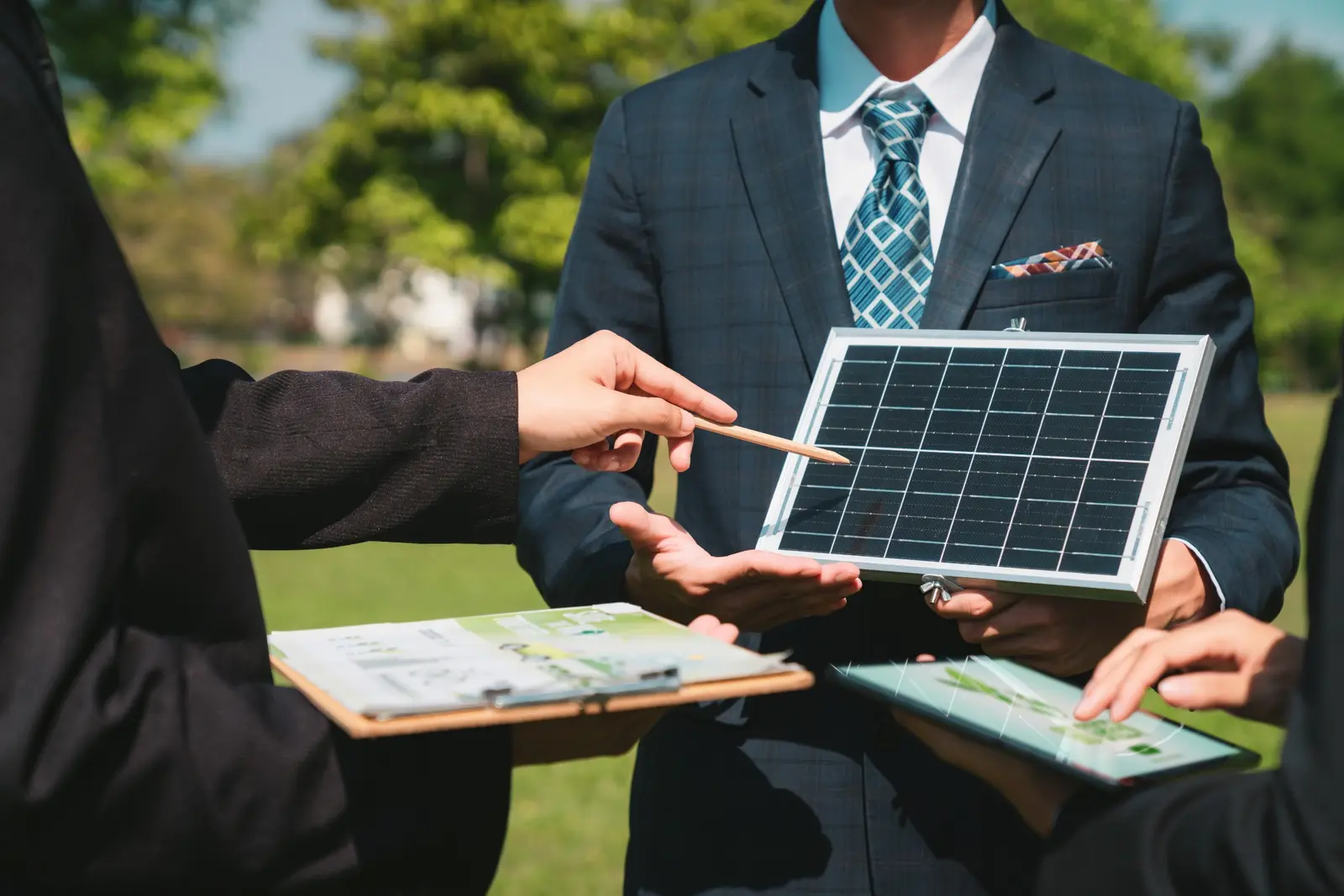
Some businesses prefer to purchase the system as a capital asset. Others may need to investigate structured finance or a Power Purchase Agreement. These routes involve different ownership, repayment, energy-pricing, credit and contractual considerations.
Finance and PPA solutions may be available for qualifying projects through relevant financing partners. Availability is subject to project suitability, the customer’s information, credit vetting, technical due diligence and final approval. P&P Solar Solutions does not present finance as automatically approved and the project should still be technically justified before a funding route is selected.
Finance discussions are more productive when the proposed system is supported by energy information, a defined site, a clear project objective and realistic commercial assumptions.
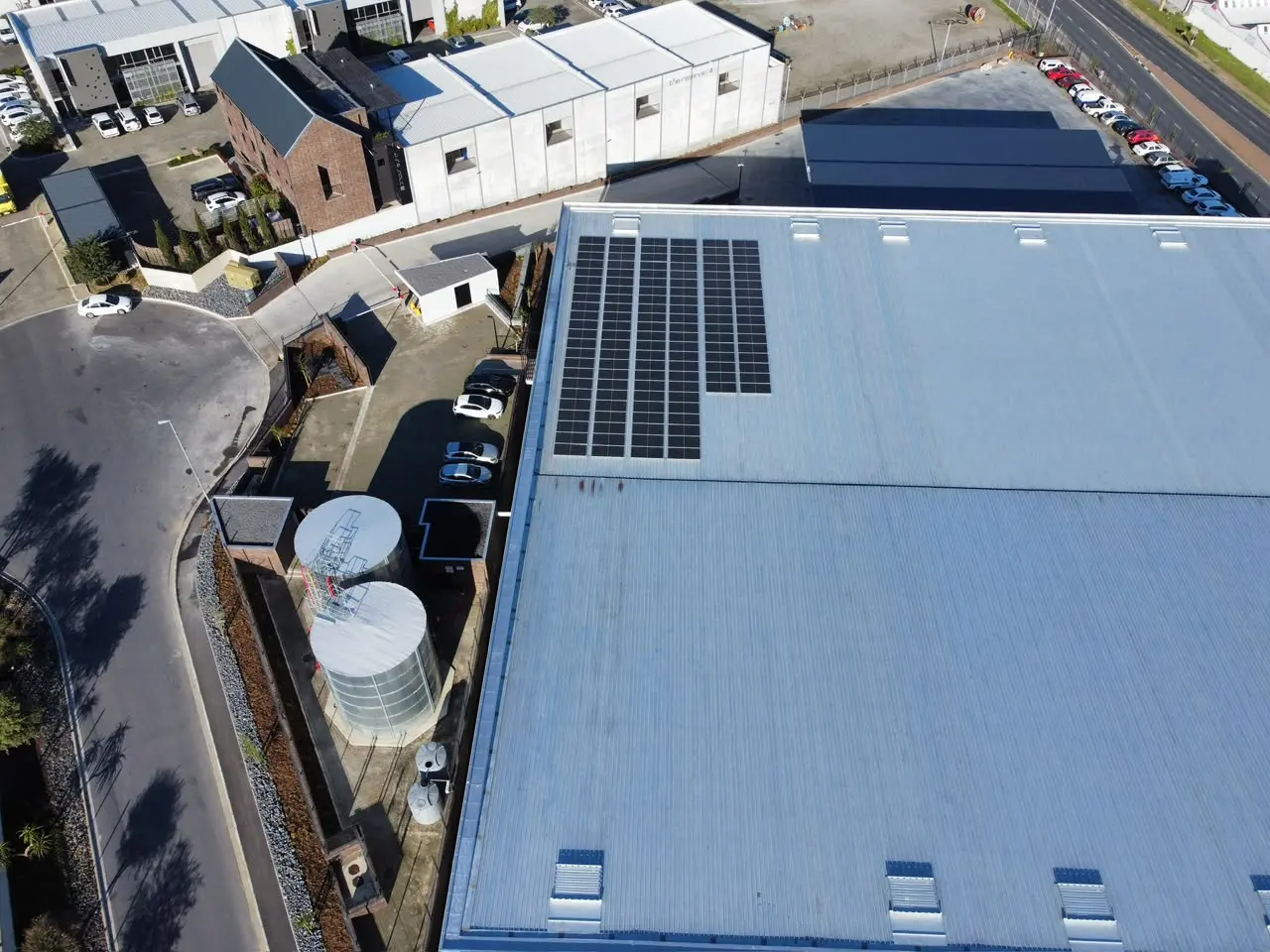
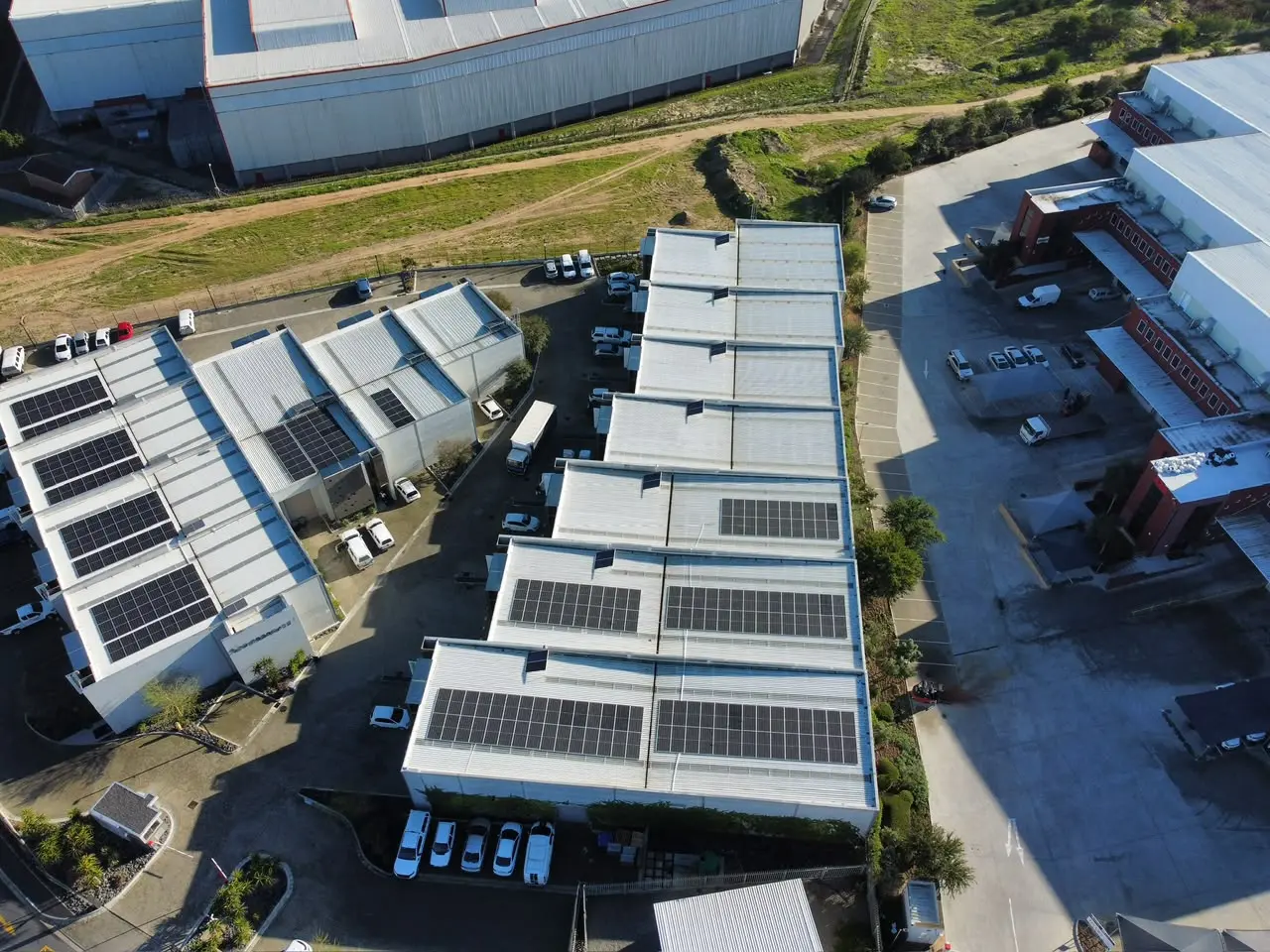
These images form part of the available P&P Solar Solutions project material. Specific client names and capacities should be added only after approval.
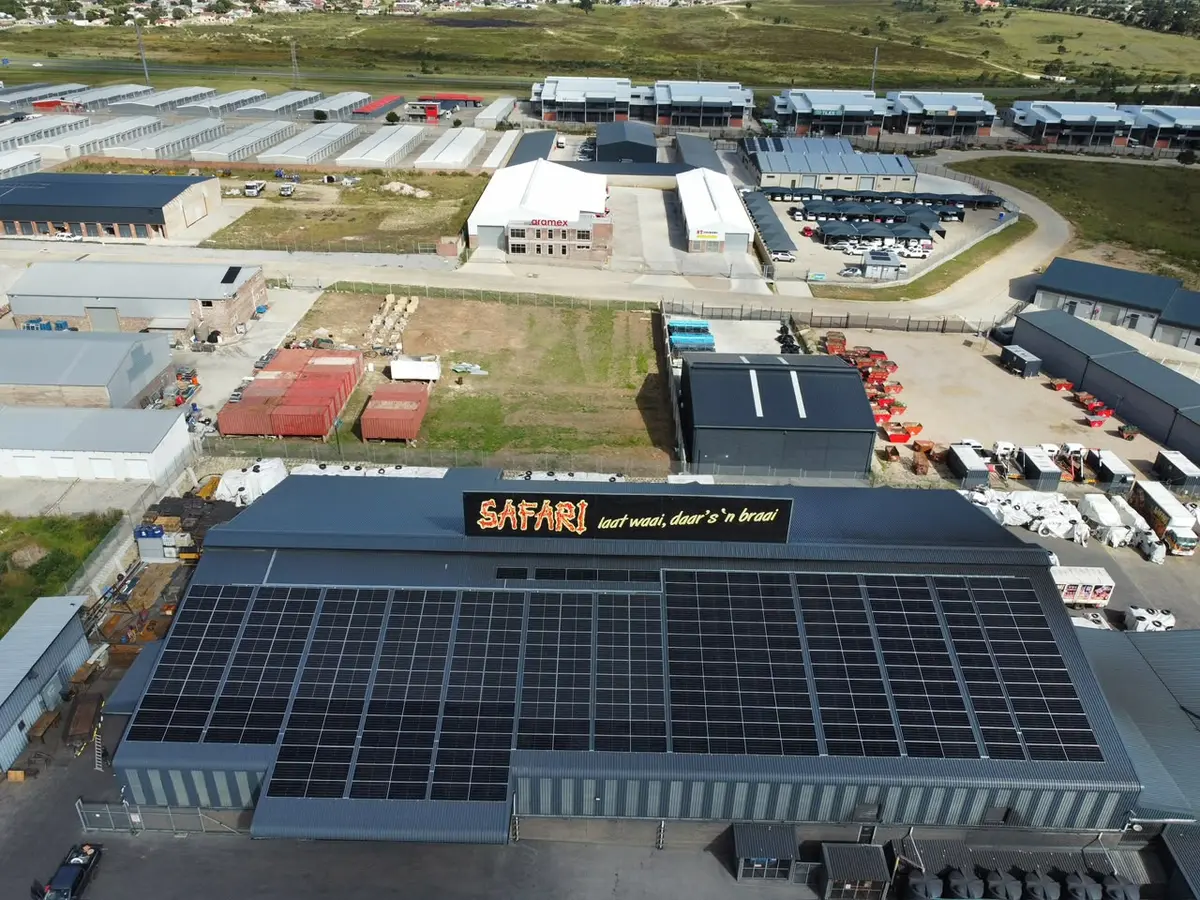
On-site solar generation for a commercial facility
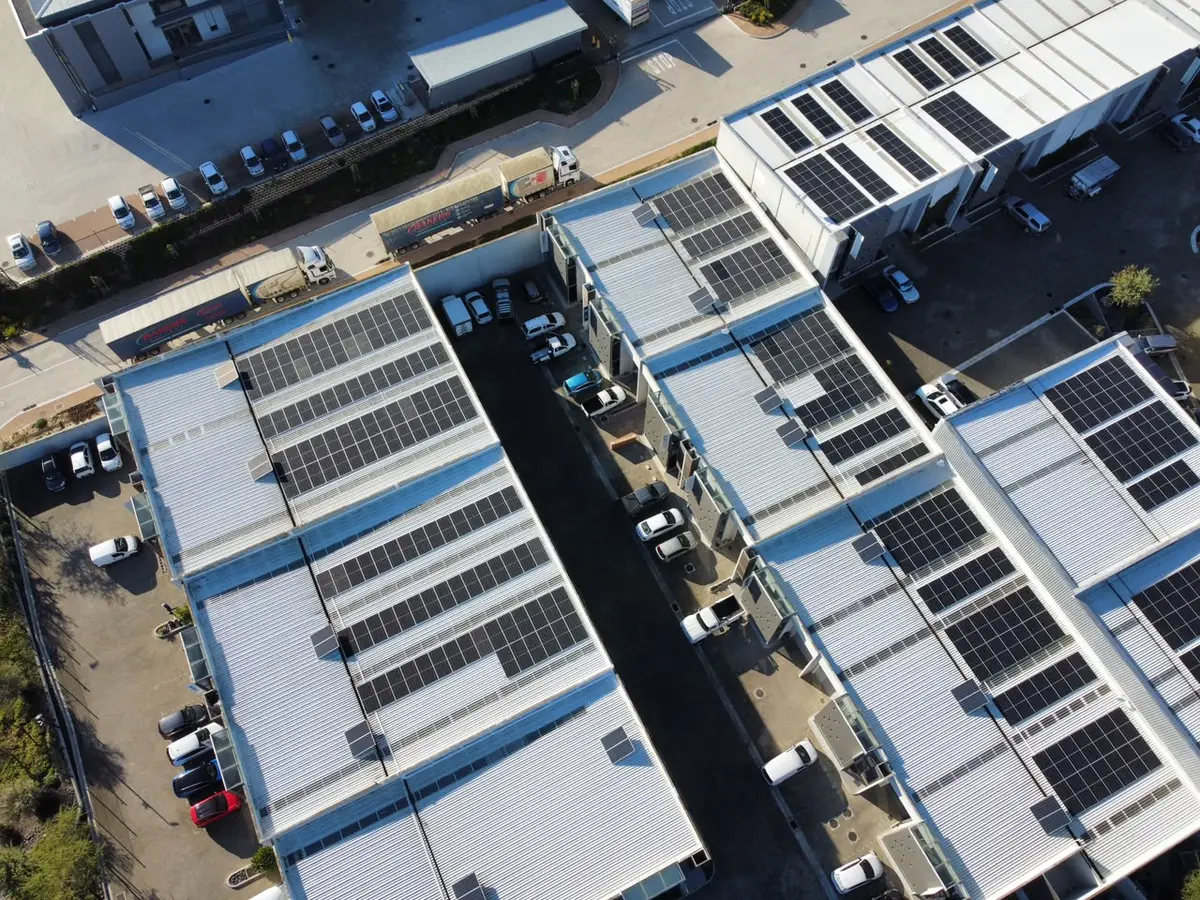
Distributed rooftop generation across an operating site
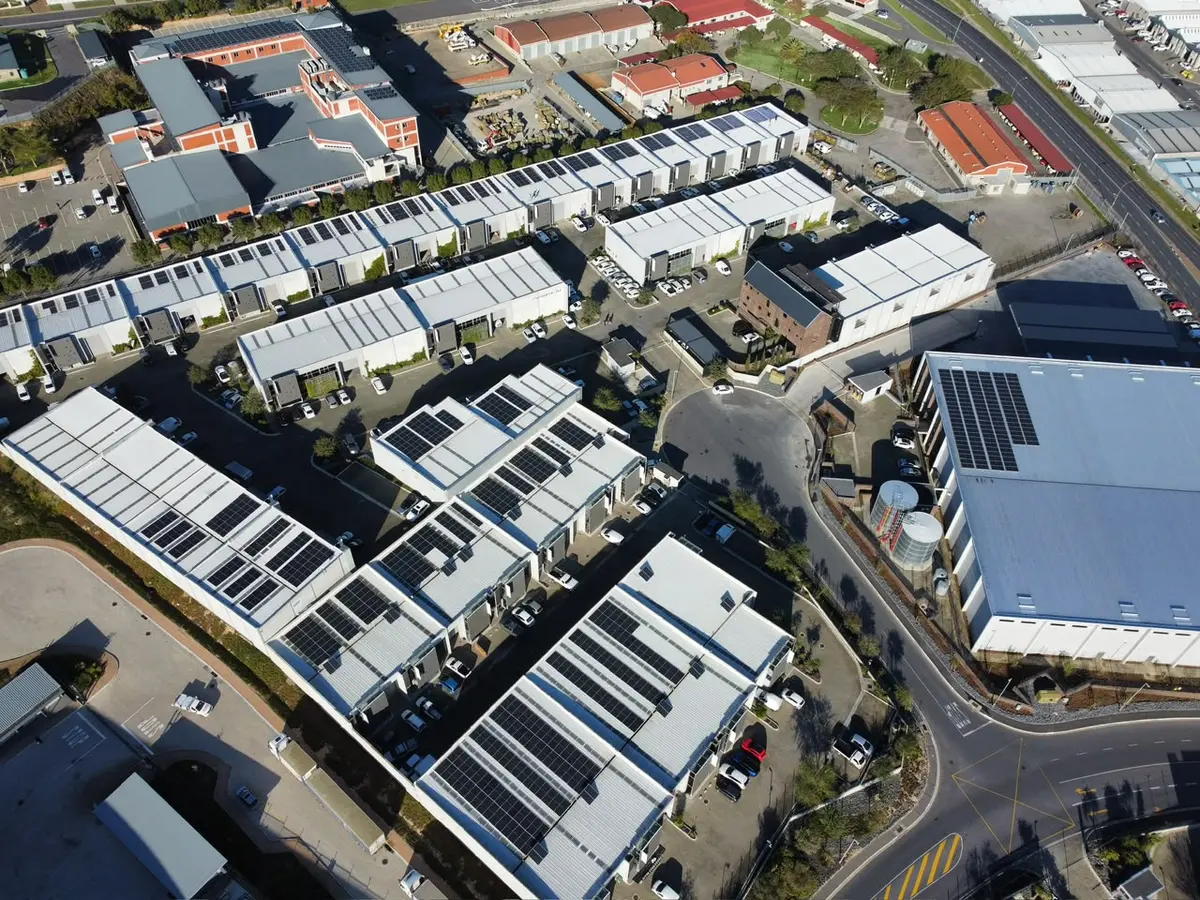
Photovoltaic generation integrated across business facilities
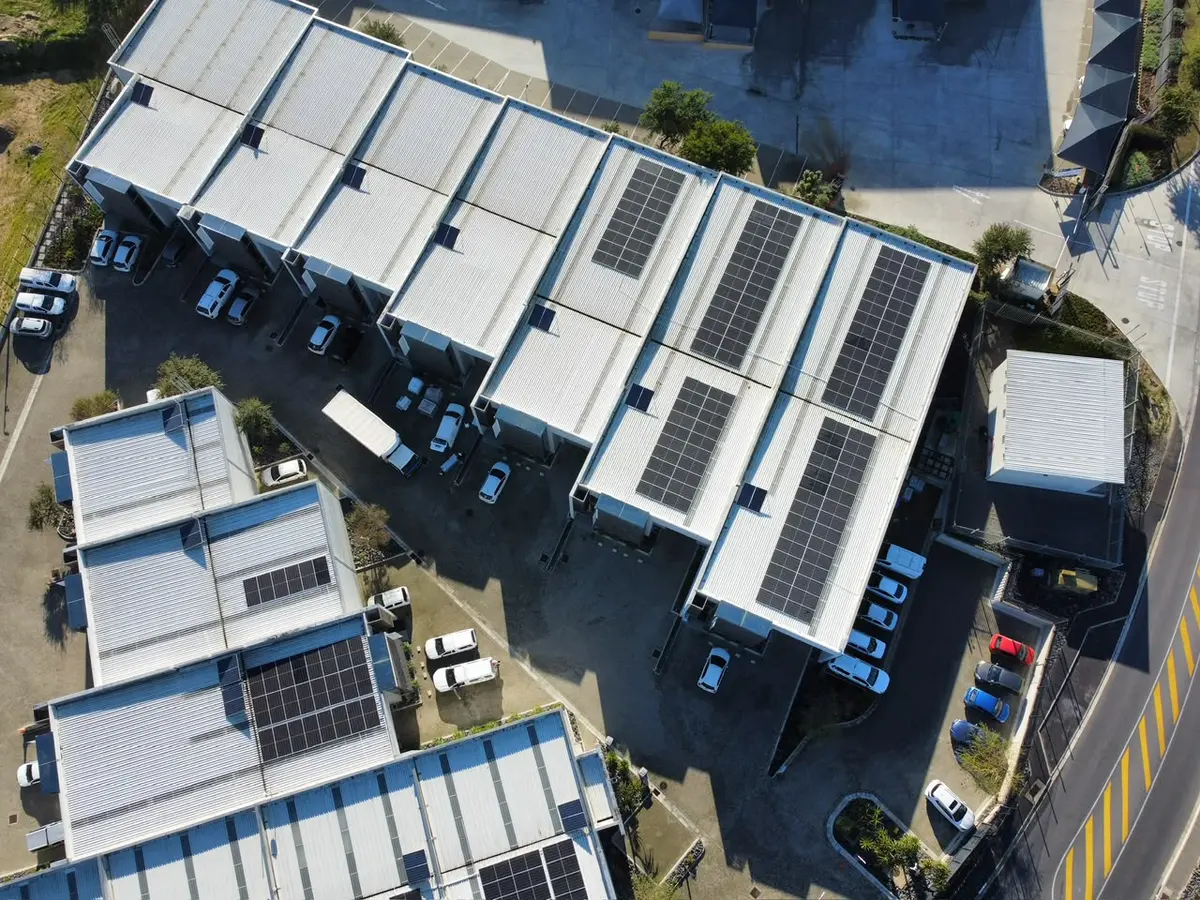
Rooftop energy assets serving operational buildings
A successful project requires more than attractive equipment specifications. It requires experienced installation personnel, clear engineering logic, disciplined project delivery and a system that remains understandable and maintainable after handover.
Practical solar project experience dating back to 2005 gives P&P Solar Solutions a broad understanding of rooftop work, mounting, cabling, inverter installation, protection, testing and commissioning.
Recommendations are developed around electricity use, operating hours, tariffs, critical loads and future plans rather than a generic equipment bundle.
The agreed scope can cover assessment, system architecture, equipment supply, installation, electrical integration, commissioning, monitoring and technical support.
Projects can combine photovoltaic generation with battery storage, hybrid inverters, generators and energy-management controls where the business case requires it.
Risk assessments, method statements, working-at-height procedures, fall protection, toolbox talks and routine quality inspections support controlled project execution.
Commercial projects can be assessed across South Africa, with selected larger opportunities elsewhere in Africa considered according to location, scale, logistics and project scope.

P&P Solar Solutions assesses commercial solar opportunities across South Africa. Project feasibility depends on the site, electricity profile, system scale, installation conditions, logistics and the required delivery programme. Larger commercial, industrial, agricultural and battery projects may also be considered elsewhere in Africa where the scope supports the necessary engineering and project logistics.
The first step does not need to be complicated. A recent electricity bill, the project address, business type, operating hours, major loads and a summary of the customer’s objective are enough to begin a structured discussion. From there, additional consumption data, site information and technical details can be gathered as the opportunity develops.
Businesses seeking a commercial solar installation company should look beyond the advertised inverter size or panel quantity. The more important questions are how the proposed system will behave, what portion of consumption it is expected to offset, which loads remain supported during an outage, how the installation will connect to the site and how the project can be maintained or expanded in future.
The initial design should consider actual consumption, operating hours, tariff structure, demand, available roof or ground area, electrical supply, essential loads, future growth and the intended financial outcome. Monthly bills are useful, but interval or detailed consumption data can give a more accurate picture where available.
A standard grid-interactive solar system normally shuts down when the grid fails for safety. Continued operation requires an appropriately designed hybrid, battery or microgrid configuration with the correct isolation, controls and supported loads.
No. Businesses with strong daytime consumption may achieve meaningful grid-energy reduction with solar PV alone. Batteries are added when the operating and financial objective justifies storage, backup, load shifting or more advanced energy management.
Existing generation can be assessed as part of the site. Integration depends on the generator controls, electrical arrangement, selected inverter platform and the intended operating sequence. It should be engineered rather than assumed.
Many commercial metal, sheeted and other suitable roof systems can accommodate solar mounting, but roof condition, structure, fixing method, waterproofing, access and wind considerations must be assessed for the particular project.
P&P Solar Solutions provides end-to-end project capability covering assessment, design, equipment supply, installation, electrical integration, testing, commissioning and support, subject to the agreed project scope.
Expansion may be possible when the original equipment, electrical infrastructure, space and design allow it. Future growth should be discussed during the initial design because not every system can be expanded without limitations or additional work.
They may be available for qualifying projects through financing partners. Finance and PPA approval is not automatic and remains subject to technical suitability, credit vetting, due diligence and the partner’s terms.
Send the project location, a recent electricity bill, operating hours, major loads, supply information and your preferred timeframe. We can then begin a more useful discussion about solar, storage and the correct commercial route.