01
Manufacturing Plants
Solar and storage systems for production facilities with sustained daytime demand, process loads, machinery, compressed air, ventilation and critical production equipment.
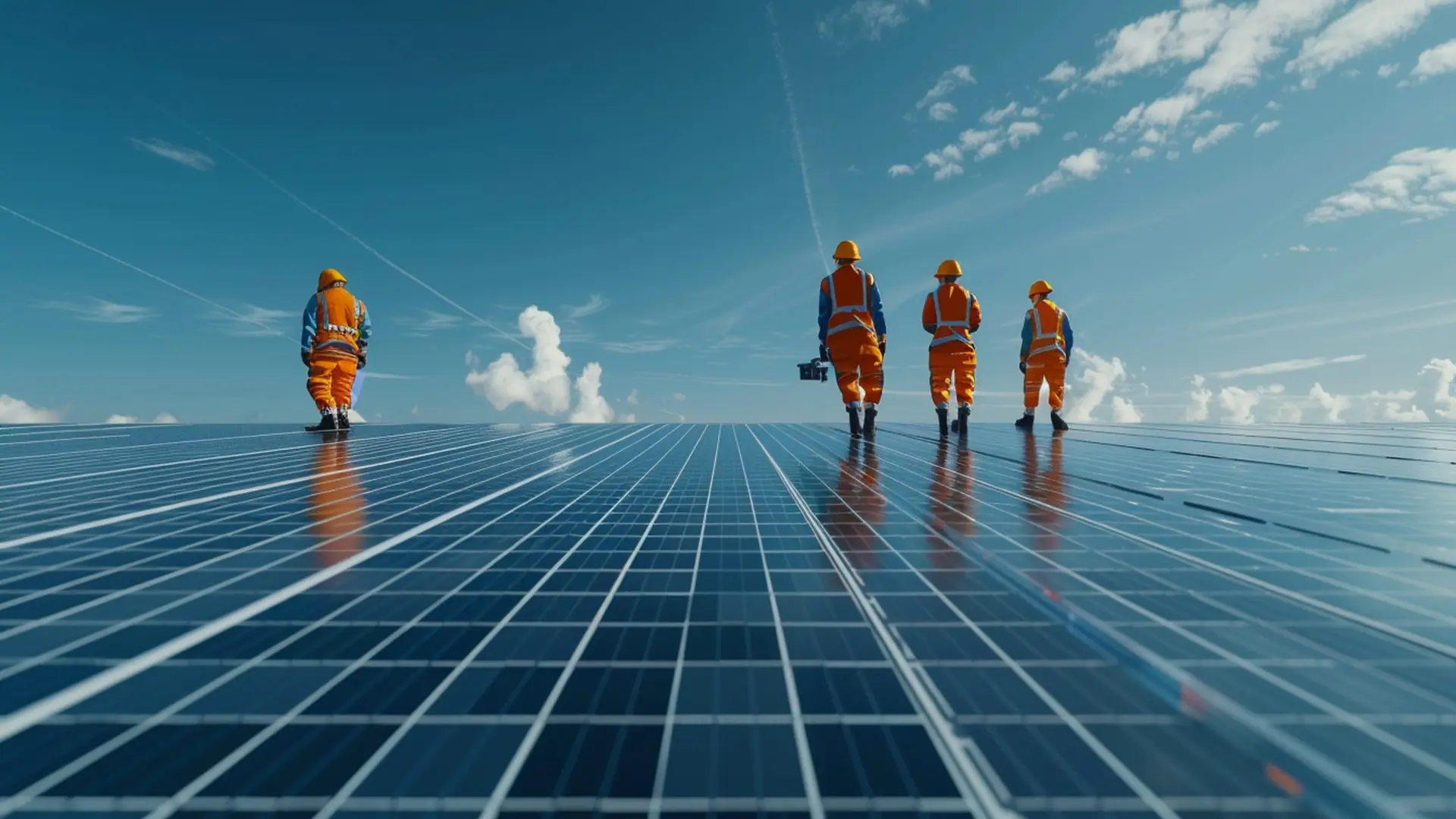
Engineered solar power plants, battery energy storage, microgrids and containerised energy solutions for factories, mines, agricultural estates, processing plants, logistics hubs, campuses and other high-demand operations across South Africa and Africa.
P&P Solar Solutions develops very large-scale solar projects around measured site demand, electrical infrastructure, operational risk and long-term business objectives. The result is not a generic equipment package. It is a coordinated energy plant that may combine rooftop or ground-mounted solar PV, high-capacity battery storage, containerised power conversion, grid interaction, standby generation, intelligent energy management and staged future expansion.
Utility-scale PV • Ground-mounted solar • Grid integration • Industrial energy infrastructure
Industrial electricity use is rarely simple. Production lines, motors, compressors, refrigeration, pumps, heating, ventilation, process equipment, offices, lighting and standby systems can create very different load profiles throughout the day. A large solar project must therefore begin with understanding how the operation consumes energy and what the business expects the new system to accomplish.
The primary objective may be to reduce daytime grid purchases, improve power continuity, lower exposure to demand charges, protect production, reduce generator runtime or create a platform for future electrification. In many projects, several of these objectives must be balanced at the same time.
P&P Solar Solutions evaluates the electrical and operational picture before recommending a system architecture. This may include rooftop or ground-mounted solar arrays, central or distributed inverters, modular battery energy storage, metering, controls, protection, generator integration and remote monitoring.
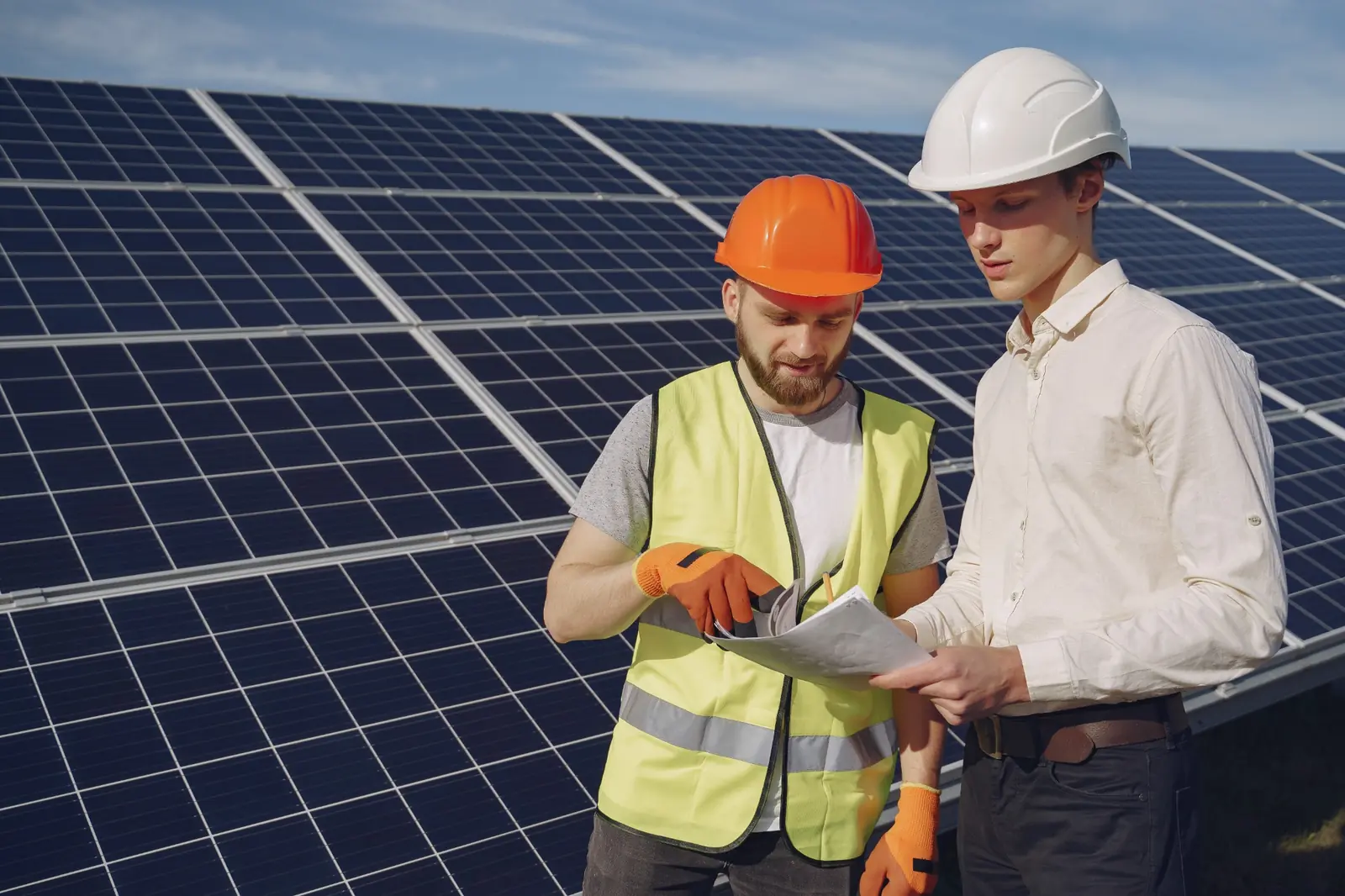
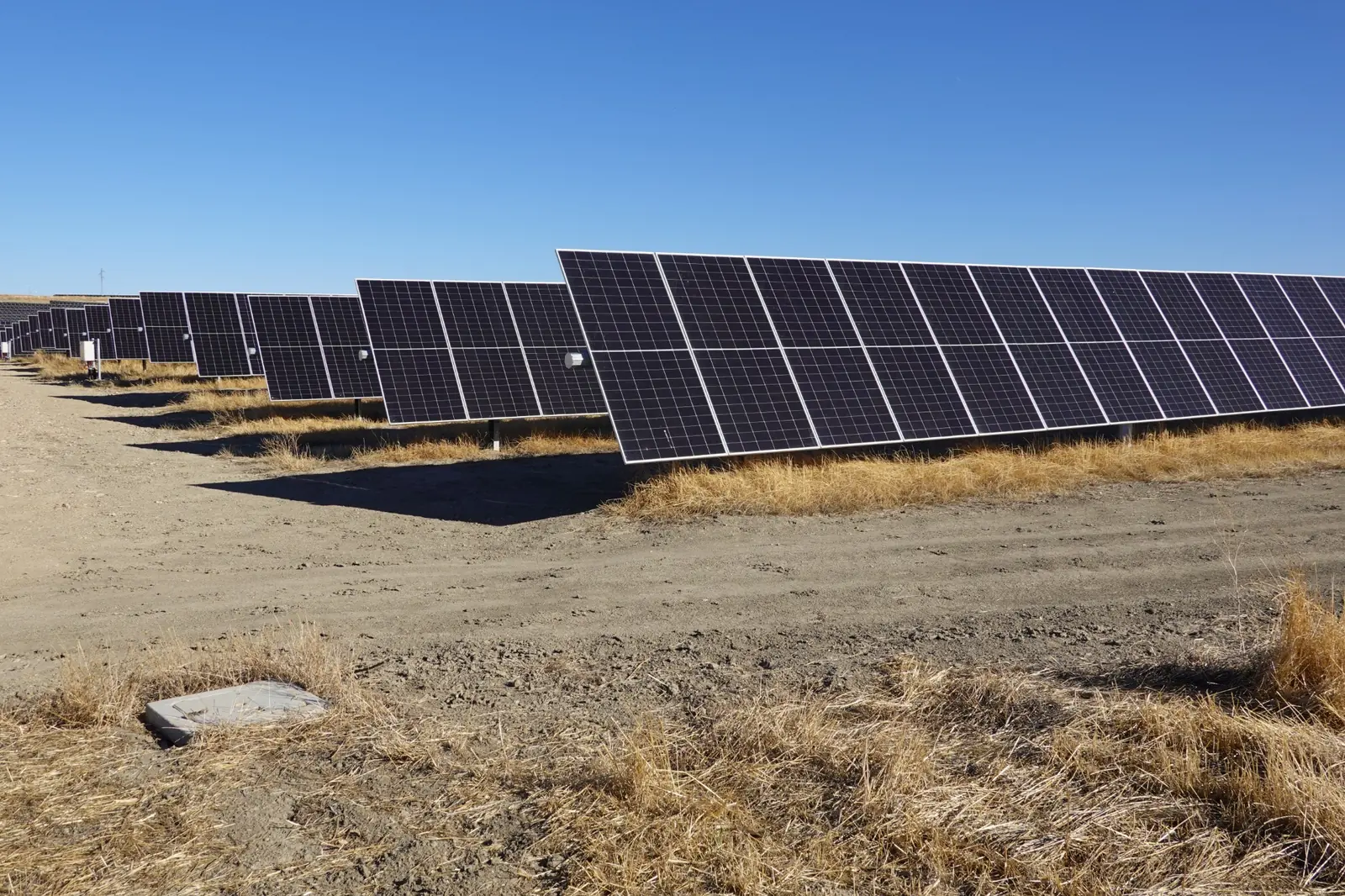
The correct project is shaped by the site's operating profile, supply arrangement and risk exposure. P&P Solar Solutions can develop solutions for a wide range of high-demand environments.
Solar and storage systems for production facilities with sustained daytime demand, process loads, machinery, compressed air, ventilation and critical production equipment.
Large rooftop systems for distribution centres, cold-chain operations, logistics hubs, fleet facilities and multi-tenant industrial properties.
Energy solutions for refrigeration, cold rooms, processing lines, packaging, pumps and operations where power continuity protects stock and production.
Hybrid and modular systems that can reduce generator dependence and improve energy availability for remote or infrastructure-constrained sites.
Coordinated solar and storage across multiple buildings, shared infrastructure, business parks, educational campuses and healthcare facilities.
Large systems for packhouses, irrigation networks, cold storage, dairies, poultry operations, wineries and agricultural processing facilities.
Scalable energy strategies for owners managing multiple industrial, retail or commercial sites with central reporting and phased implementation.
Solar, storage and containerised energy solutions for water treatment, telecoms, public infrastructure and other essential operating environments.
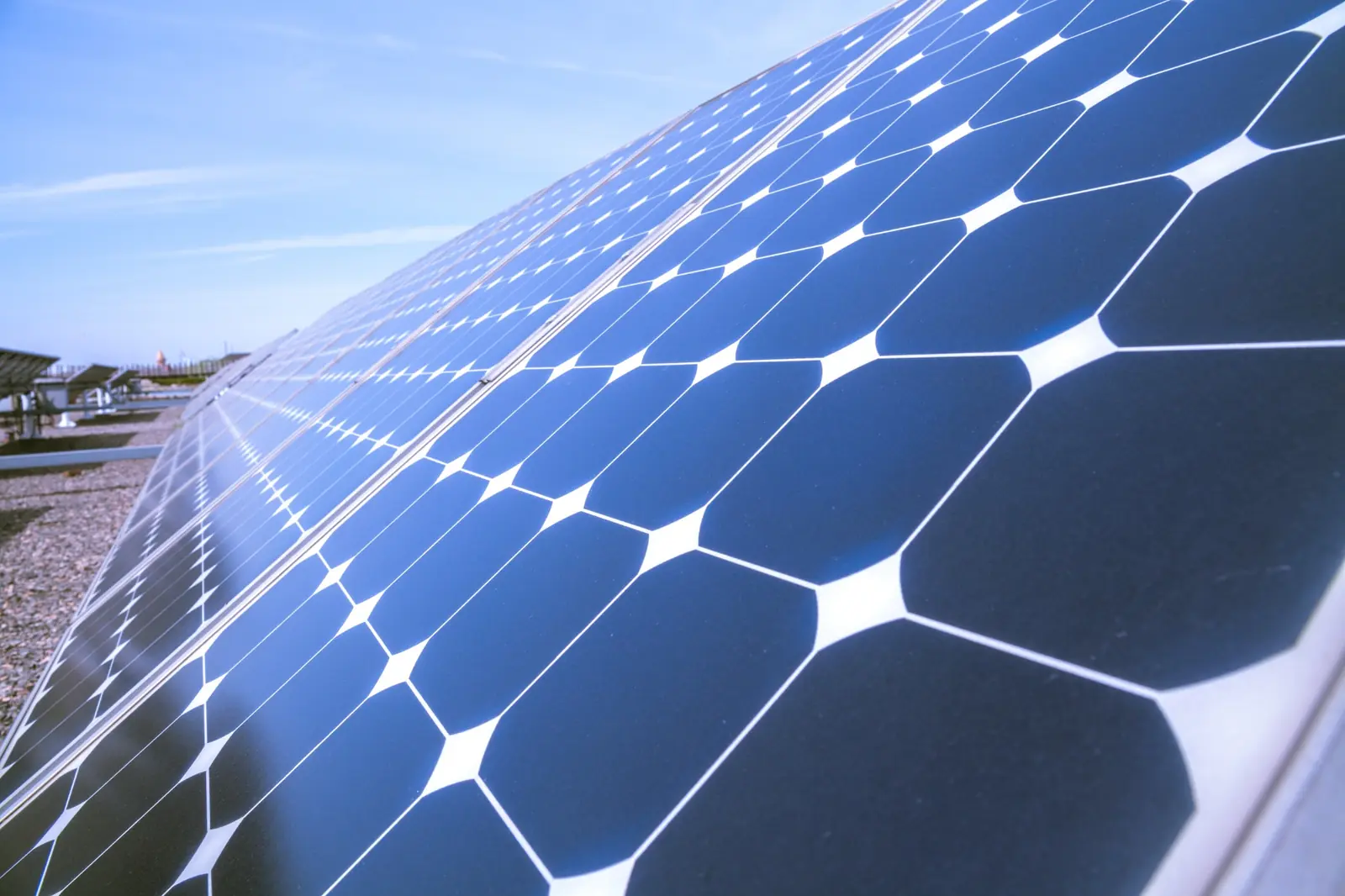
Monthly consumption provides a useful overview, but large projects benefit from a deeper understanding of when electricity is used. Interval data, maximum demand, production schedules, seasonal changes and major load behaviour help determine the amount of solar that can be used directly and the possible role of battery storage.
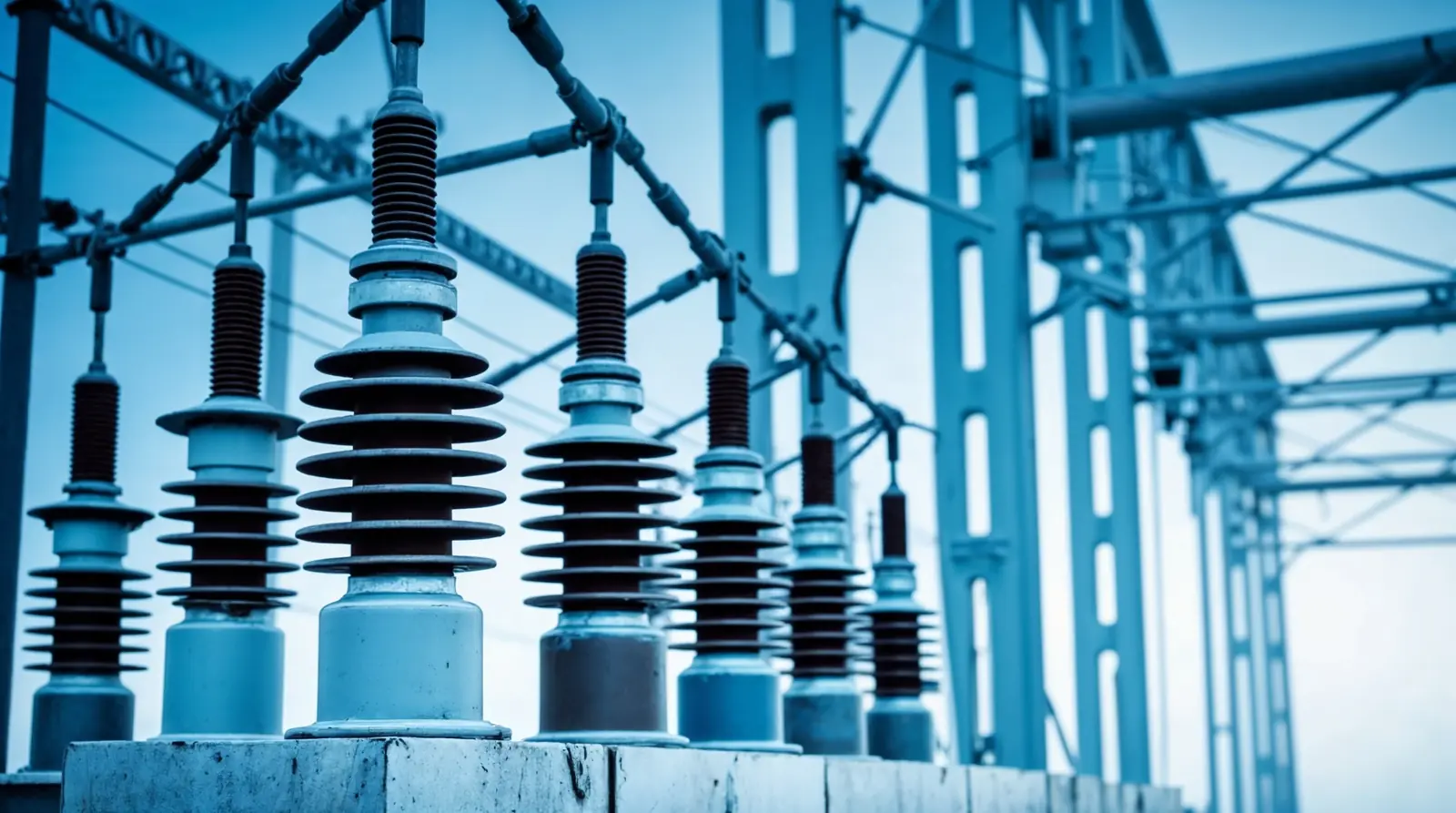
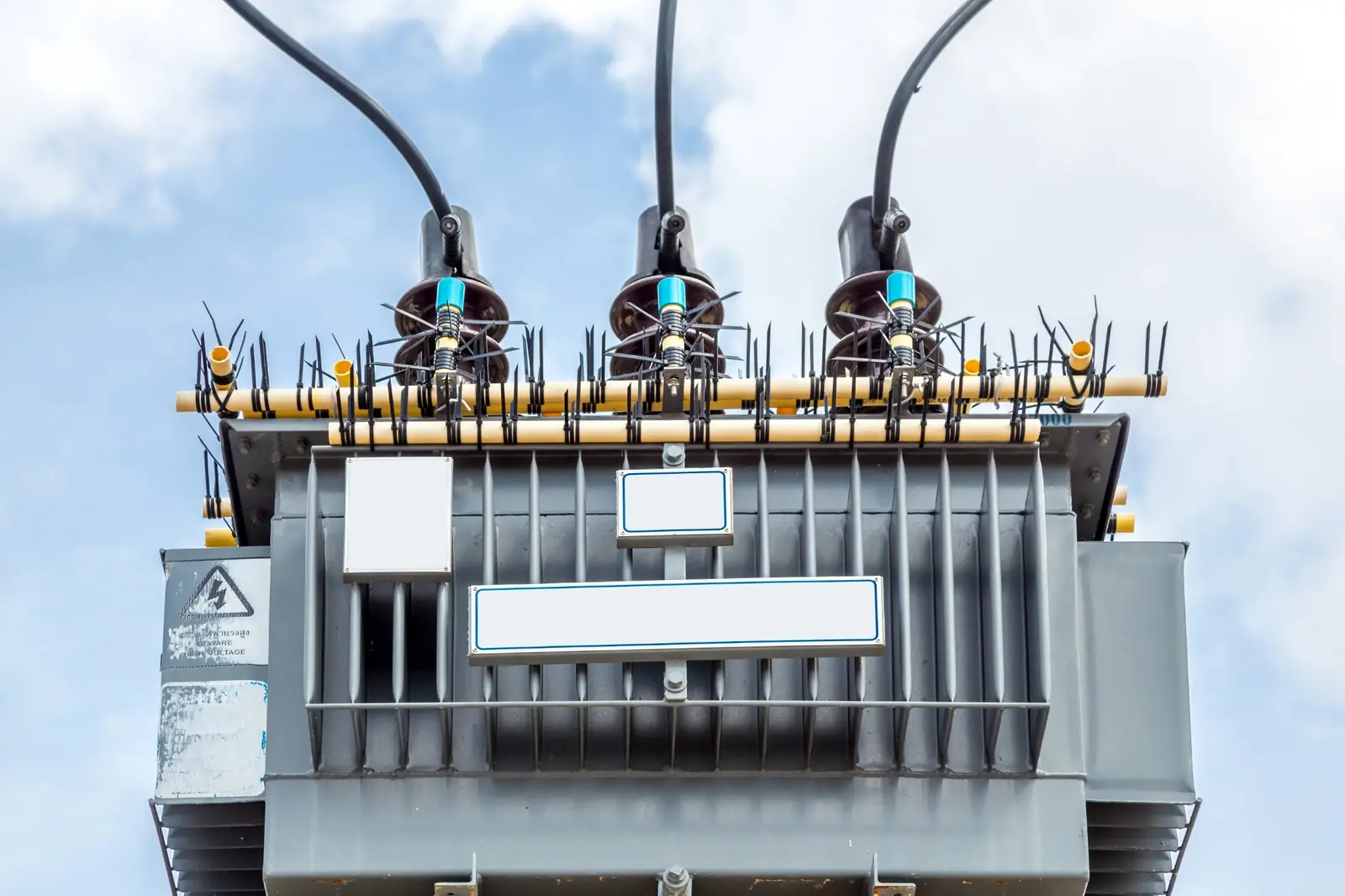
The design must also account for transformer capacity, switchgear, protection, cable routes, distribution boards, generator arrangements, roof zones, structural constraints, access, fire and safety requirements, communications and the planned point of connection.
Rooftop, carport or ground-mounted generation planned around usable space, structural conditions, shading, orientation, electrical limits and expected energy yield.
Modular or central storage engineered for backup, load shifting, demand control, generator optimisation, self-consumption or microgrid operation.
Hybrid, grid-interactive or dedicated storage inverters selected for system capacity, phase configuration, grid requirements and intended control strategy.
AC and DC switchgear, protection, isolation, distribution, earthing, metering and cabling coordinated with the existing electrical infrastructure.
Monitoring and control systems that coordinate solar, batteries, grid and generators while providing visibility into performance and consumption.
Assessment of generator operating modes, minimum loading, start logic, charging strategy and interaction with solar and batteries.
Factory-integrated or modular battery and power-conversion systems for rapid deployment, remote sites and scalable infrastructure projects.
Operational dashboards, alerts, historical performance information and remote diagnostics where supported by the selected platform.
Battery capacity alone does not describe what an energy-storage system can do. Large projects require consideration of both energy capacity and power capability, together with expected cycling, reserve levels, charging sources, temperature, enclosure requirements, communications and the critical loads that must be supported.
A storage system intended to support a short high-power interruption is different from one designed to shift solar energy into the evening. A project targeting peak-demand reduction requires a different control strategy from a microgrid intended to operate with generators at a remote facility.
P&P Solar Solutions therefore develops storage around the operational objective rather than presenting an arbitrary battery size. The design should state what loads are supported, for approximately how long, under which assumptions and how the battery is expected to operate during normal and abnormal conditions.
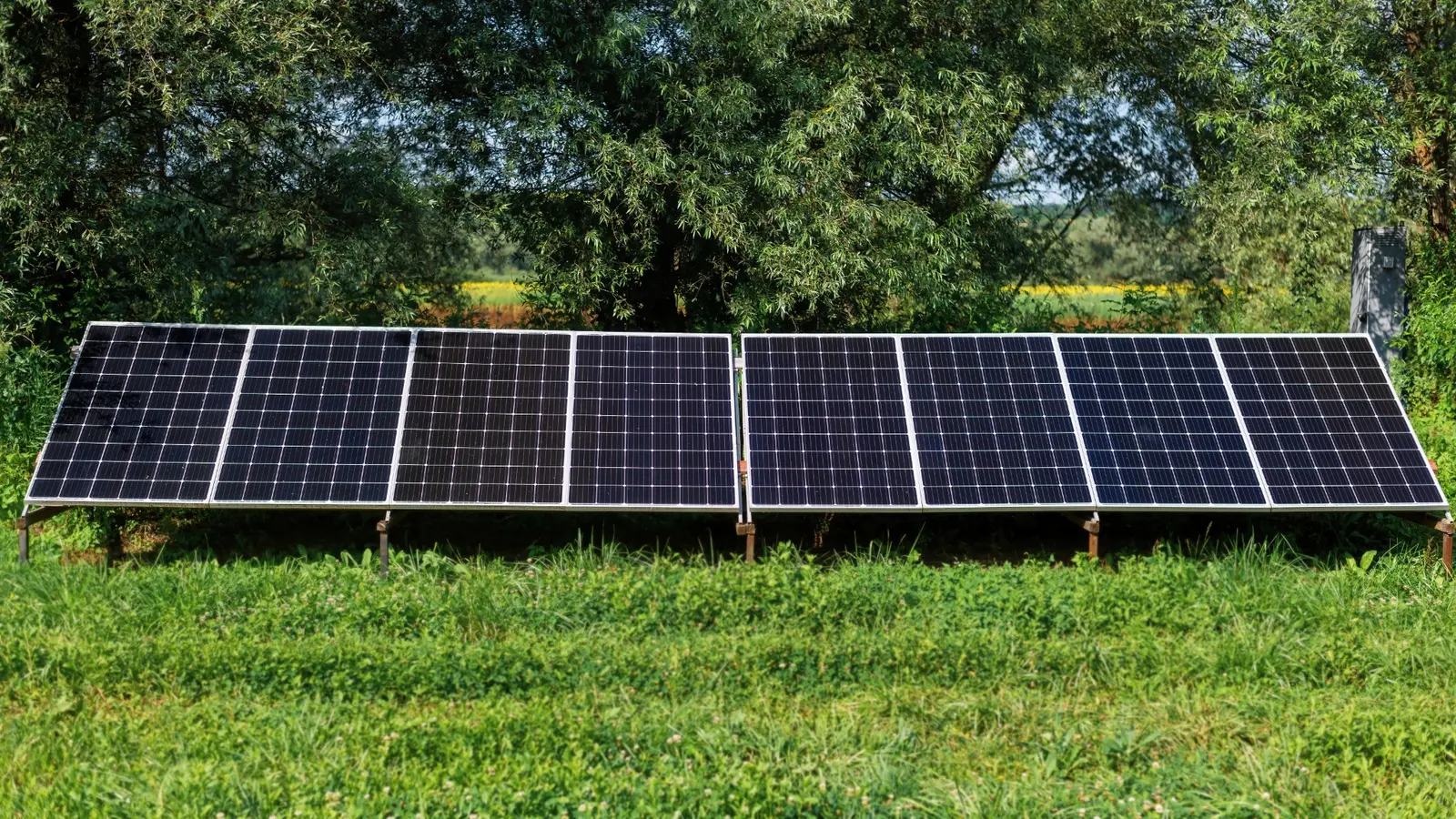
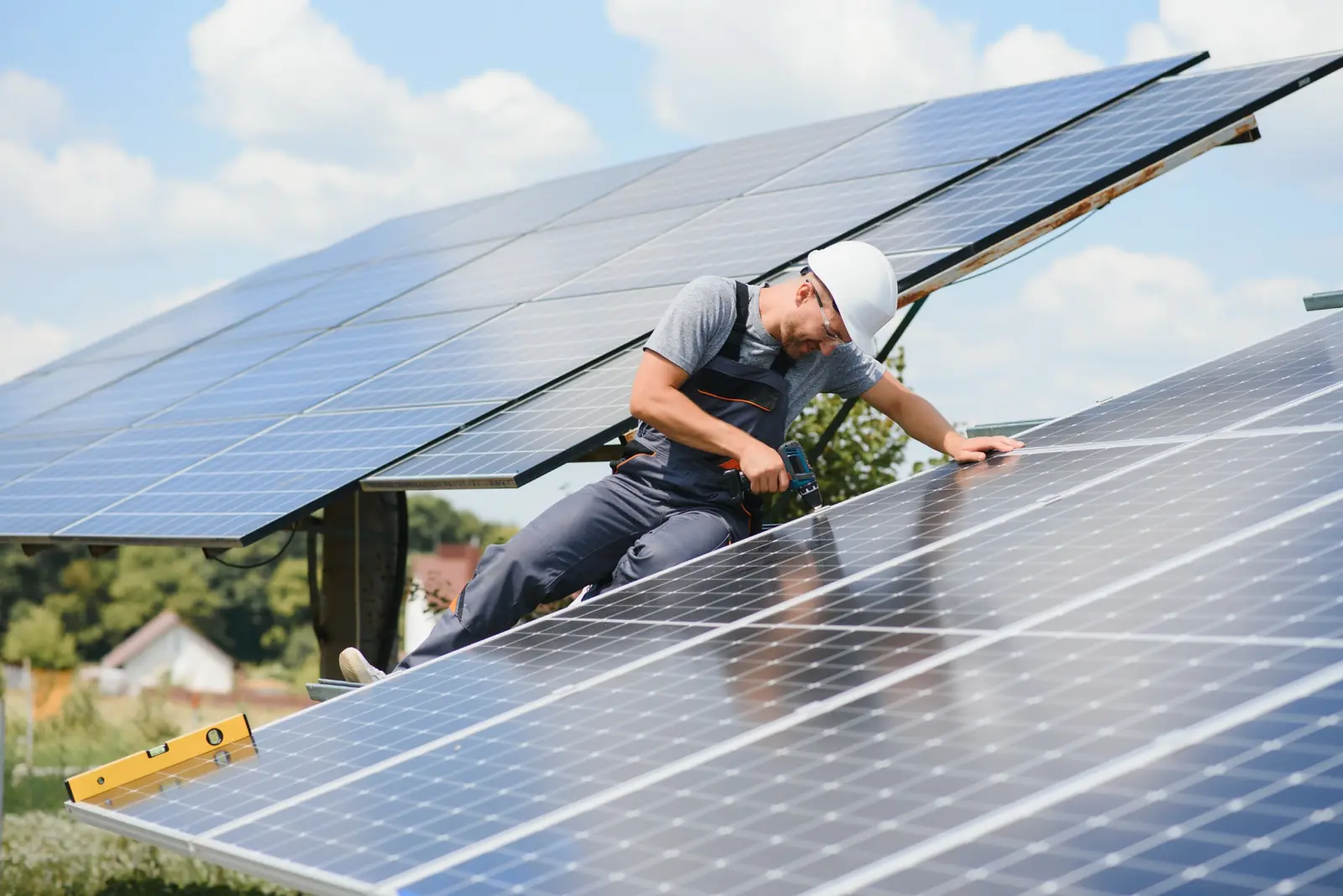
Large industrial facilities may offer several possible locations for solar generation. Roof-mounted systems can use otherwise unproductive building space and place generation close to the load. Ground-mounted arrays may provide easier orientation, access and expansion where sufficient land is available. Carports can combine generation with shaded parking and site improvements.
Some sites benefit from a distributed design with several inverter and array zones connected at different points. Other facilities may favour a more centralised architecture. The most appropriate approach depends on electrical topology, distances, roof layouts, maintenance access, structural conditions, cable routes and future development plans.
For major industrial, agricultural, infrastructure and remote-site projects, a containerised energy solution can provide a practical way to house high-capacity battery storage, power-conversion equipment, protection, control systems and auxiliary equipment in a dedicated, engineered enclosure. Rather than distributing critical equipment across unsuitable rooms or creating extensive new plant areas, the project can use purpose-planned containerised infrastructure positioned close to the electrical point of integration.
P&P Solar Solutions can assess containerised configurations as part of a complete large-scale solar plant. The container is not treated as a stand-alone product placed on site without engineering. Its rating, internal layout, environmental controls, fire strategy, access, cable entry, communications, foundations, clearances and grid connection must form part of the overall system design.
Containerised battery energy storage systems are especially relevant where a facility requires substantial power and energy capacity, modular expansion, faster site deployment or a dedicated energy plant separated from production areas. They can also support remote operations, weak-grid sites, generator-assisted microgrids and large agricultural or mining applications where conventional indoor plant space is limited.
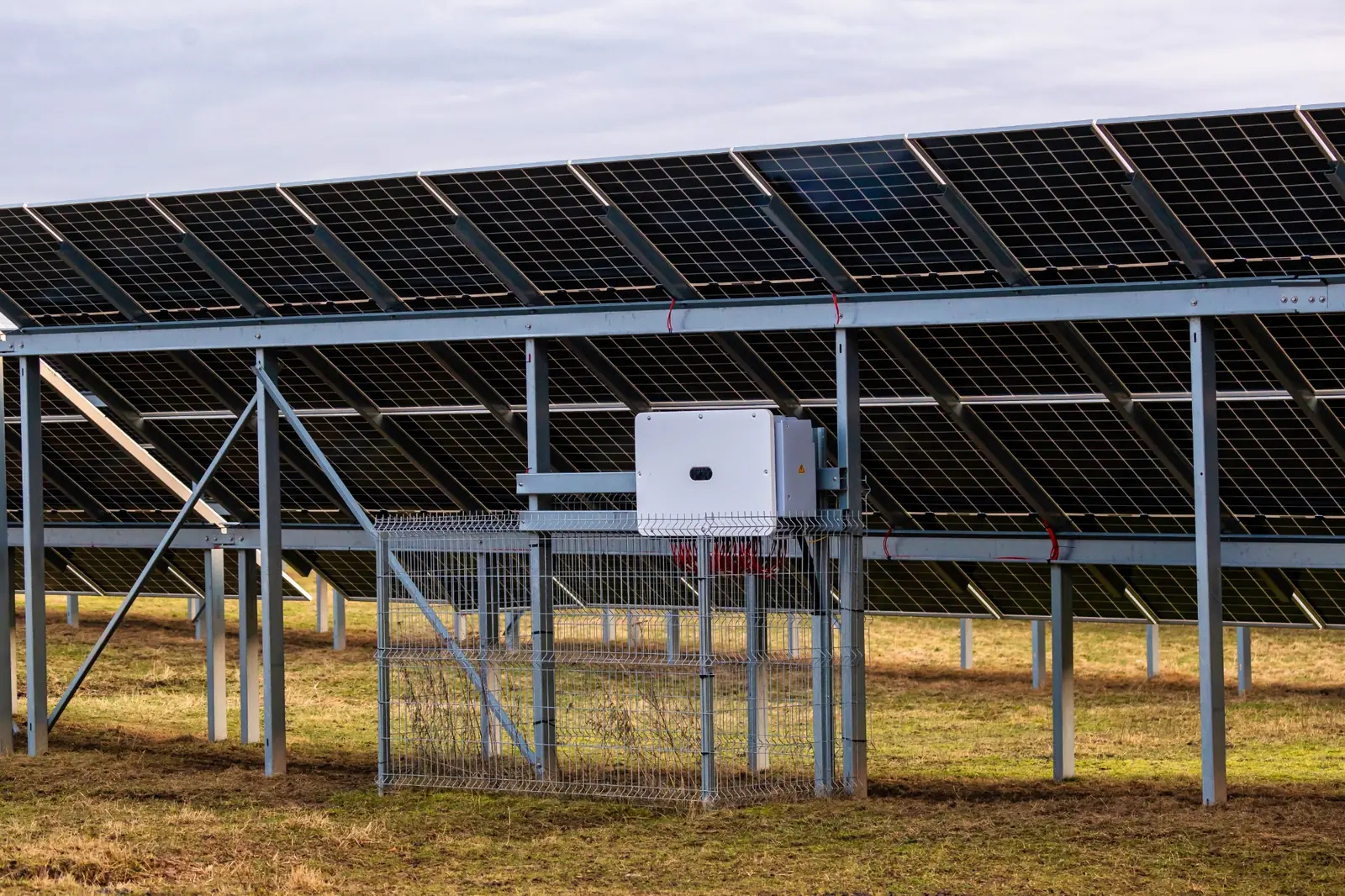
The final architecture depends on the site, but containerised solutions can provide a structured platform for high-capacity energy storage and control in demanding environments.
Dedicated battery and power-conversion infrastructure for factories, processing plants and high-demand facilities that need substantial backup, peak management or solar energy shifting.
Hybrid microgrids combining solar, battery storage and generators where grid access is weak, unreliable or unavailable.
Scalable energy systems for irrigation, packhouses, refrigeration, processing, workshops and distributed farm infrastructure.
Modular plant design that can make provision for future battery, inverter and solar capacity as demand or project funding grows.
High-power discharge capability coordinated with tariffs and measured demand to reduce expensive consumption peaks where technically and commercially suitable.
Support for defined critical loads during outages, disturbances or generator transitions, based on engineered power and runtime requirements.
Solar and storage controls that can reduce unnecessary generator runtime and improve fuel utilisation while respecting generator operating limits.
Integrated visibility of solar production, battery state, facility demand, generator status and grid interaction through compatible energy-management platforms.
A disciplined initial assessment reduces assumptions and allows the technical and commercial proposal to reflect the actual site.
Large installations require coordinated engineering, procurement, safety management, quality control and communication across every stage.
Define the site, energy problem, operational goals, project stakeholders and available technical information.
Analyse bills, interval data, tariffs, maximum demand, production schedules and major electrical loads.
Inspect installation areas, electrical infrastructure, access, safety requirements, plant locations and constraints.
Develop the proposed solar, battery, inverter, grid and generator architecture with preliminary capacity assumptions.
Present the system concept, equipment strategy, project scope, assumptions, exclusions and commercial route.
Coordinate final engineering, procurement, programme, safety documentation, logistics and site preparation.
Complete structural, mechanical, electrical, communication and control works under project and quality controls.
Test protection, equipment, communications, operating modes and system performance before handover.
Provide operating guidance, monitoring access, relevant documentation and agreed completion information.
Assist with monitoring, diagnostics, maintenance planning, optimisation and future expansion where agreed.
P&P Solar Solutions has designed and installed rooftop solar systems since 2005 and reports more than 100,000 rooftop PV modules installed across hundreds of commercial, industrial, agricultural and residential projects. That experience informs the planning, sequencing and supervision required on larger facilities.
Project controls may include site-specific risk assessments, task-specific method statements, working-at-heights procedures, fall protection, daily toolbox talks, qualified installation personnel, quality inspections and compliance with client permit-to-work requirements.
Large industrial sites may introduce additional requirements such as production-area restrictions, traffic management, roof-access controls, fire procedures, shutdown coordination, isolation planning and communication with principal contractors or facility teams. These requirements should be incorporated into the project plan rather than treated as an afterthought.
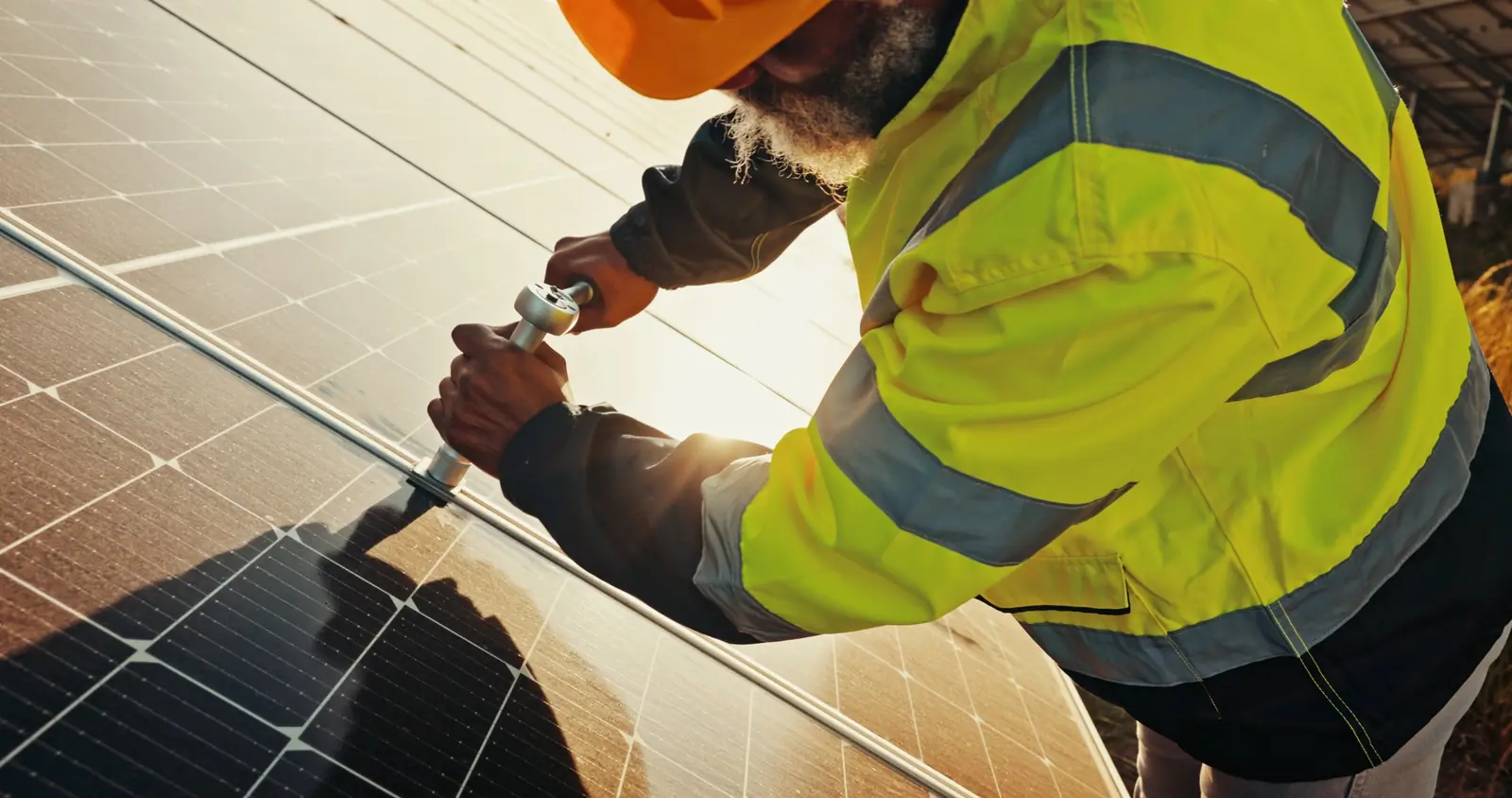
Sigenergy technology can support integrated solar, battery storage, power conversion and intelligent energy-management applications. Its modular architecture can be attractive where projects require staged growth, compact equipment, system visibility and coordinated operation.
FoxESS technology can be considered for selected commercial and industrial solar or storage projects where the available product range, system architecture and operating requirements are technically aligned.
Large installations should provide useful operational visibility. Depending on the chosen technology and system design, monitoring can show solar generation, facility consumption, grid import, battery state of charge, inverter status, alarms and historical trends.
For businesses operating multiple facilities, centralised visibility can support comparison between sites, performance reviews, fault investigation and future energy planning. Monitoring does not replace maintenance or engineering judgment, but it creates a stronger information base for operating the system.
Large-scale energy projects can be approached through direct capital investment or, where available and suitable, structured finance or Power Purchase Agreement arrangements through relevant financing partners.
The appropriate commercial route depends on technical feasibility, project economics, site tenure, credit assessment, expected contract duration, energy usage and the customer's financial objectives. Finance and PPA availability is not automatic and remains subject to partner requirements and approval.
A sound technical project remains the starting point. The system capacity, expected generation, equipment scope, operating strategy and project risks must be understood before the financing route can be evaluated meaningfully.
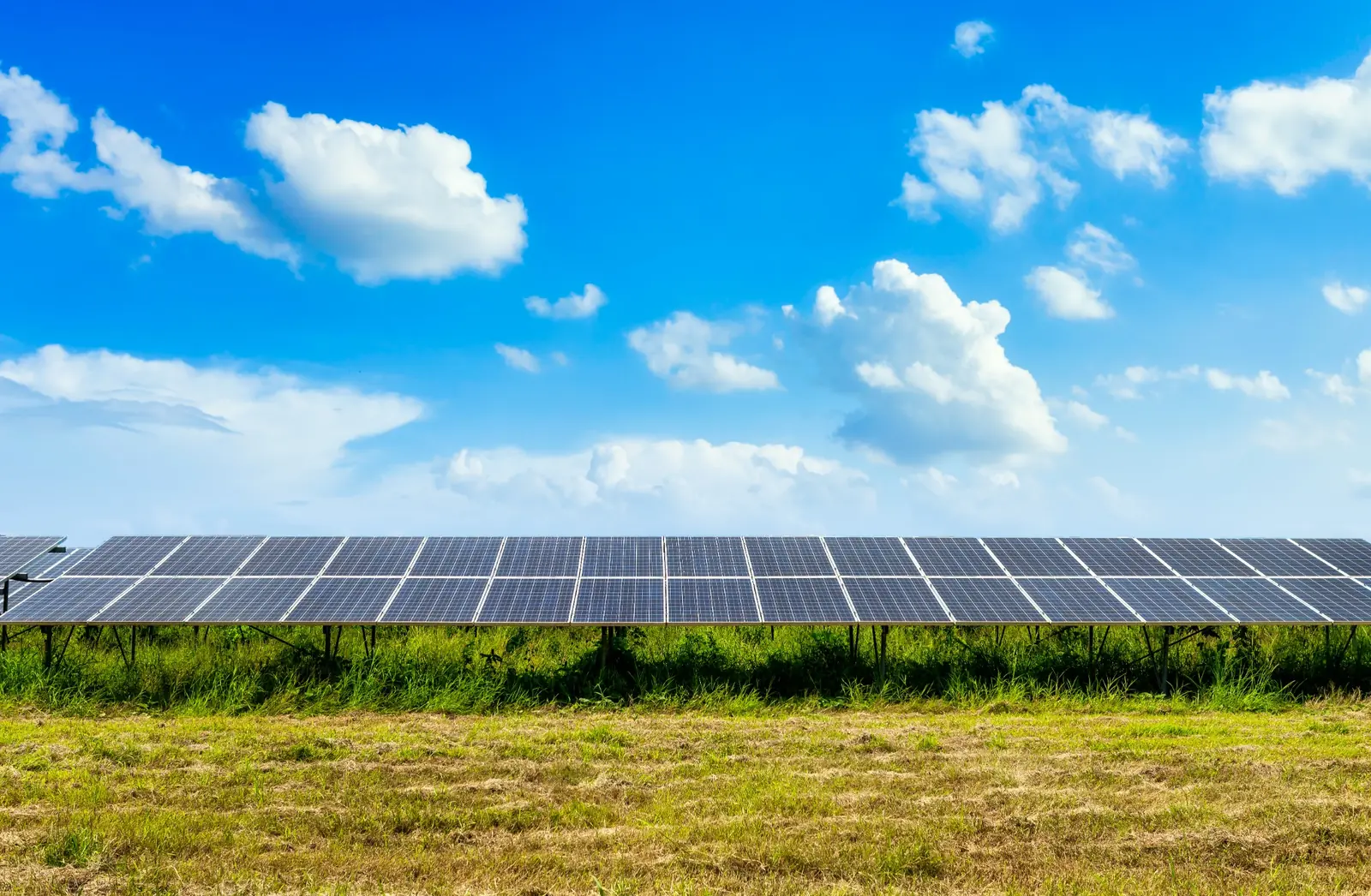
Large-scale delivery continues beyond module installation. Field equipment, electrical protection, communications and operating behaviour must be tested before the plant is handed over.
The design considers measured energy use, interval data, maximum demand, operating hours, tariffs, available installation area, electrical infrastructure, critical loads and future expansion. A system should be matched to the site rather than selected from a generic capacity list.
Potentially, but the answer depends on the required power, energy duration, load diversity and budget. Many projects separate essential, priority and non-essential loads so the storage system can be engineered around the operation's true continuity requirements.
Yes, where the generator, inverter, battery and control strategy are designed to operate together. The project must account for generator loading limits, charging requirements, start logic and stable system operation.
Yes. The preferred installation method depends on available area, roof condition, structural information, shading, cable routes, access, maintenance requirements and future expansion plans.
Containerised and modular solutions can be considered for suitable projects, especially where rapid deployment, scalability, remote operation or dedicated plant space is important.
Yes. Phased projects can allow capacity to grow with the operation, but the first-stage design should consider future switchgear, inverter, battery, communication, space and connection requirements.
Recent electricity bills, interval data, single-line diagrams, transformer and generator information, roof or site plans, operating schedules and critical-load information are valuable starting documents where available.
Finance and PPA options may be available through relevant partners for qualifying projects. Availability depends on technical feasibility, project suitability, credit assessment and approval.
Tell us about your facility, electricity usage, maximum demand, operating hours, available rooftop or ground area, battery requirements and resilience objectives. For containerised projects, include the proposed plant location, critical loads, generator information and any available single-line diagrams. Uploading recent electricity bills or interval data gives our team a stronger starting point for the first technical discussion.