01
Critical-Load Backup
Maintain power to selected production equipment, controls, refrigeration, communications, security, lighting, offices and other operationally important loads during interruptions.

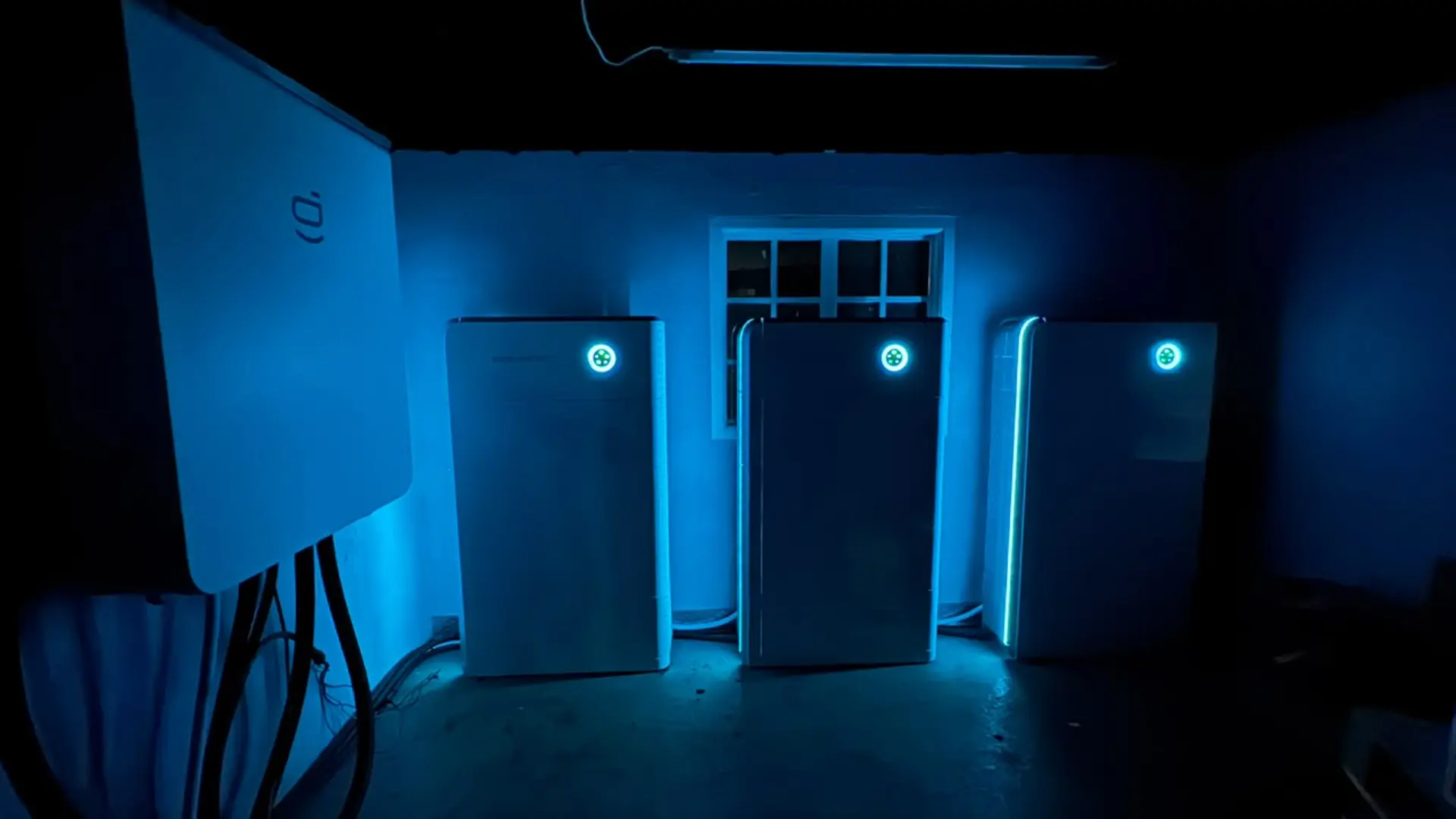
Engineered commercial, industrial and agricultural battery energy storage systems for backup power, peak shaving, solar optimisation, microgrids, generator integration and long-term energy resilience.
P&P Solar Solutions develops battery energy storage around the site’s actual load profile and commercial objective. We assess what the battery must achieve, which loads it must support, how quickly it must respond, how long it must operate and how it should coordinate with solar PV, the grid and standby generation.
Commercial BESS • Solar energy shifting • Critical-load backup • Generator integration
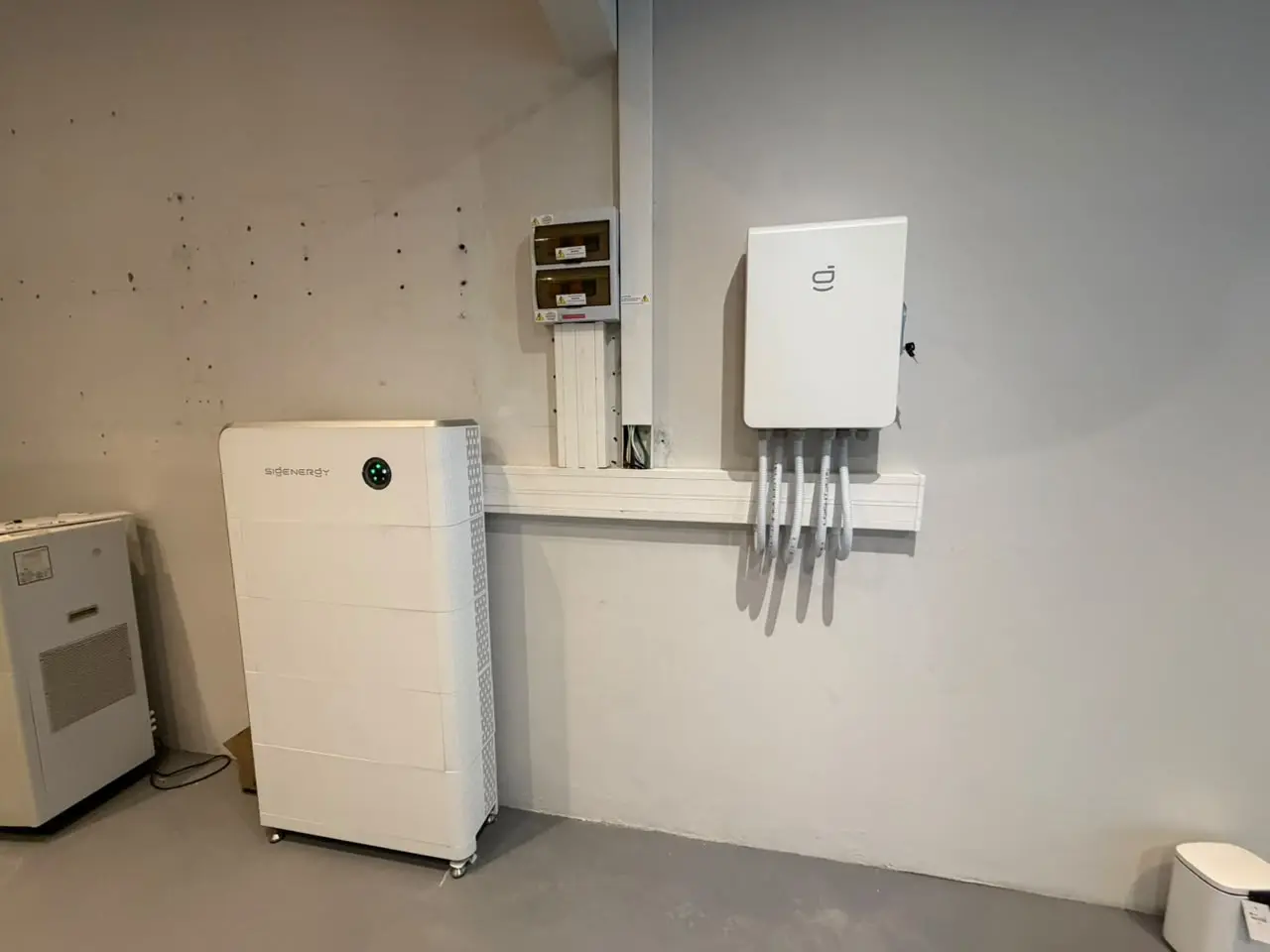
Businesses invest in battery energy storage for very different reasons. A factory may need to protect production during short interruptions. A cold-storage facility may need sustained support for refrigeration and controls. A farm may want to reduce generator use and shift daytime solar energy into evening operations. A commercial property may want to reduce peak grid demand while maintaining power to essential services.
These applications cannot be solved properly by choosing a battery from its advertised kilowatt-hour capacity alone. The system must also deliver enough instantaneous power, tolerate the expected cycling pattern, maintain an appropriate reserve, communicate with the selected inverter or power-conversion system and operate safely within the site’s electrical architecture.
P&P Solar Solutions assesses the complete operating requirement before developing a recommendation. The proposed solution may be a compact commercial battery system, a modular high-voltage installation, a larger centralised battery plant or a containerised energy-storage system for phased expansion.
The same battery installation can often perform more than one function, but the design priorities and operating limits must be clearly defined.
Maintain power to selected production equipment, controls, refrigeration, communications, security, lighting, offices and other operationally important loads during interruptions.
Discharge strategically during high-demand periods where the tariff and measured load profile create a viable opportunity to reduce maximum grid demand.
Charge during lower-cost or high-solar periods and discharge during more expensive tariff periods, subject to the applicable rate structure and system efficiency.
Store excess daytime solar generation for later use, improve self-consumption and reduce the amount of potentially useful solar energy that cannot be used immediately.
Coordinate batteries with standby generation to reduce inefficient light loading, improve operating flexibility and limit unnecessary generator runtime where technically suitable.
Support hybrid energy systems that coordinate solar, batteries, generators and grid supply for remote facilities or sites requiring stronger energy independence.
Selected systems may assist with rapid power transitions and controlled supply to sensitive loads. The required performance must be confirmed during engineering.
Create a modular platform that can accommodate additional battery capacity, solar generation or site loads where equipment compatibility and infrastructure allow.
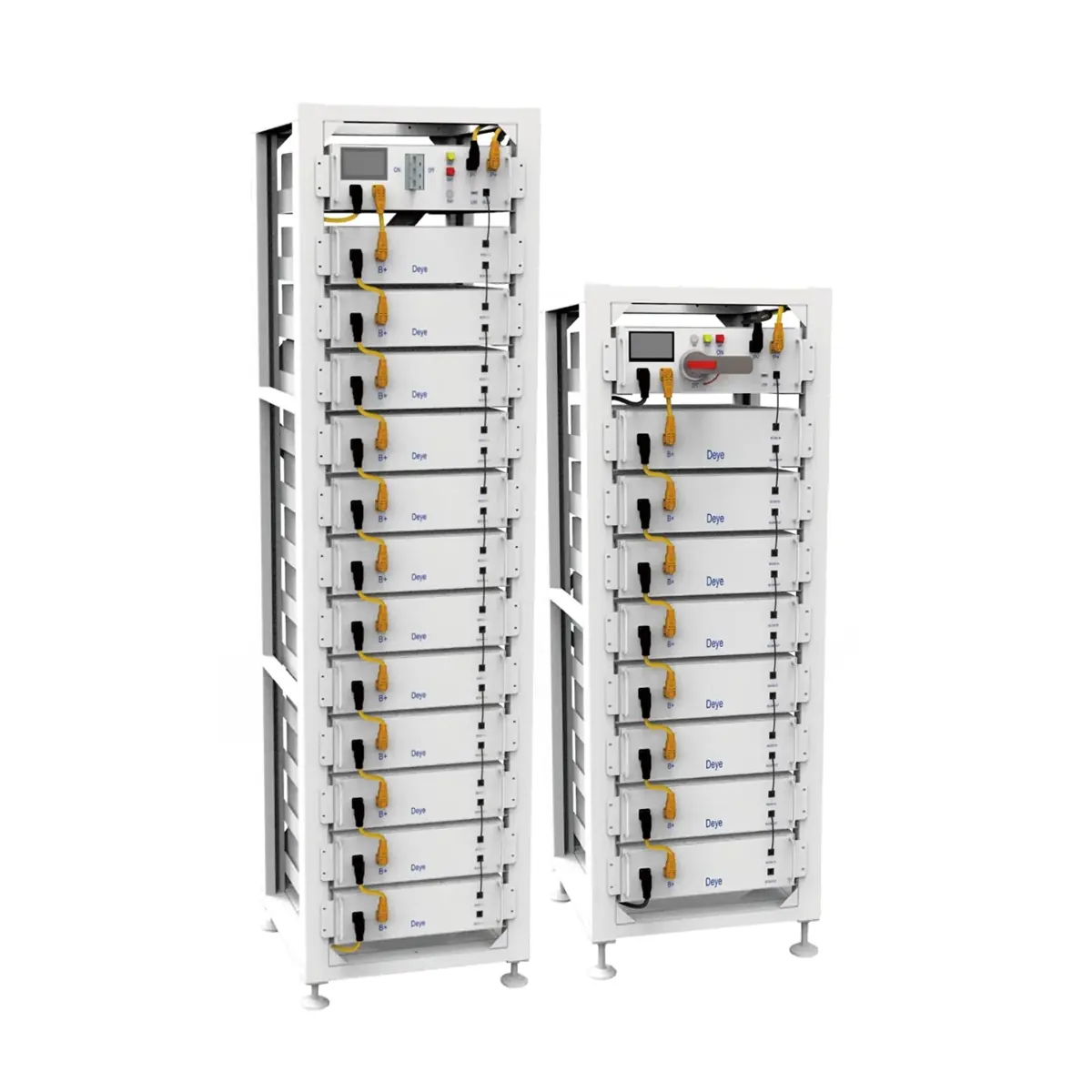
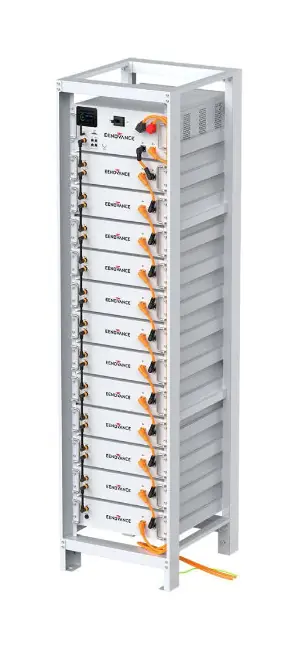
The battery’s power rating, expressed in kilowatts, indicates how much load the system can support at one time. Its energy capacity, expressed in kilowatt-hours, indicates how much stored energy is available. A large-capacity battery with insufficient power may not start or sustain the required equipment. A high-power battery with limited energy may support the load only briefly.
Usable duration is also affected by reserve settings, depth-of-discharge limits, conversion losses, temperature, battery condition and the fact that the site load changes continuously. For this reason, a proposal should describe the assumed supported loads and expected operating scenario rather than promise a fixed duration without qualification.
Motor starting, compressors, refrigeration, pumps and process equipment may create high transient demand. These loads must be identified during assessment because their starting behaviour can influence inverter selection, battery power, control strategy and whether certain loads should remain excluded from backup.
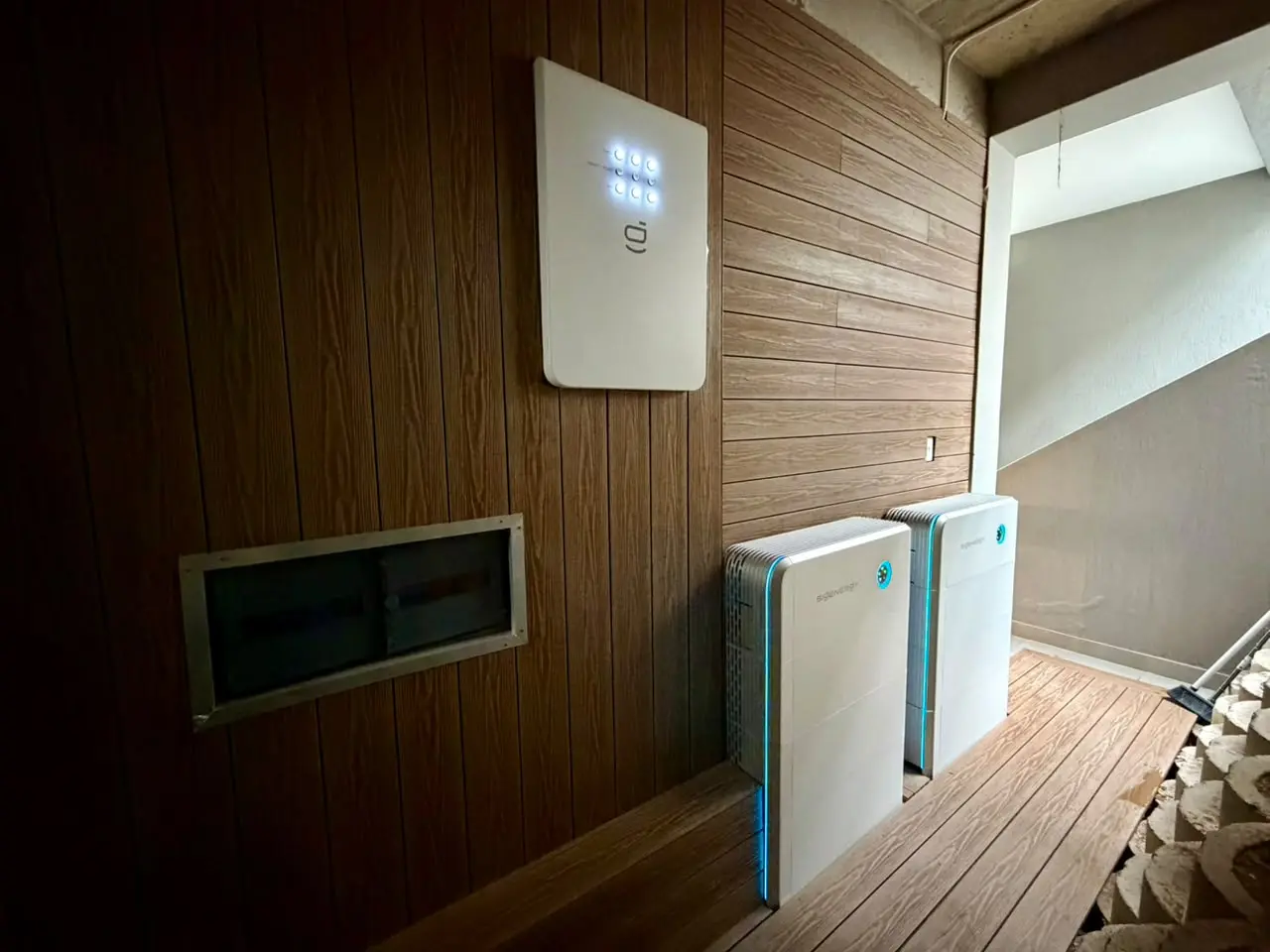
Solar PV and battery storage can complement each other, but the relationship must be modelled against the site’s consumption. Where daytime demand is high, much of the solar energy may be consumed directly by the facility. Where solar production exceeds demand during parts of the day, the battery may capture a portion of that excess for later use.
The design must balance PV capacity, battery charging power, available storage, evening demand, reserve requirements and the expected frequency of grid interruptions. Oversizing one component without considering the rest of the system can increase cost without delivering proportional operational value.
A well-coordinated system can prioritise direct solar use, charge batteries from available excess generation, maintain a defined backup reserve and discharge during selected tariff or demand periods. The exact priorities depend on the business case and the capabilities of the selected platform.
Commercial reliability depends on correct integration between every major component and the existing electrical installation.
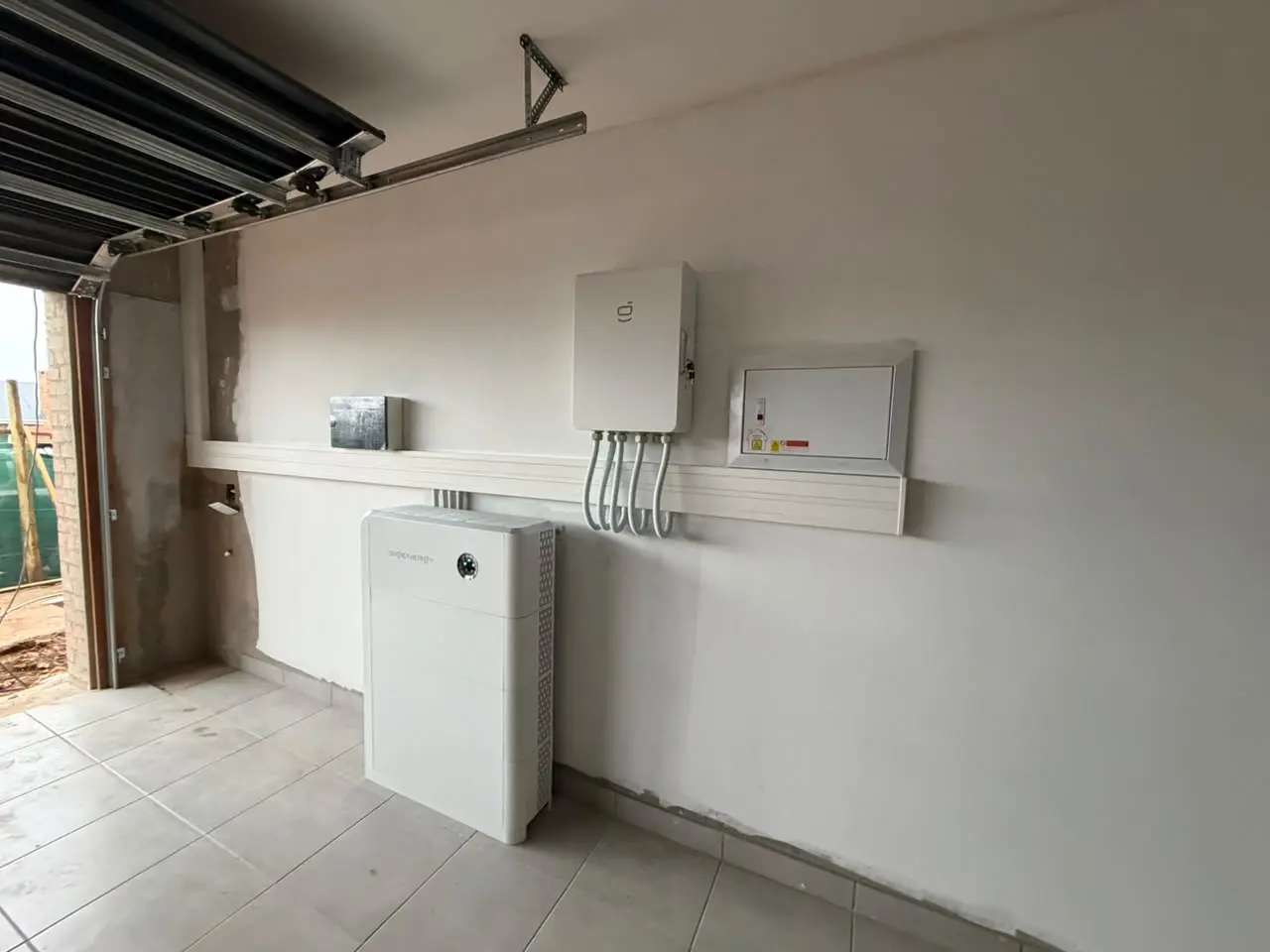
Many commercial and industrial sites already have standby generators. Adding solar and batteries changes how power sources interact, and the control philosophy must prevent unsafe or unintended operating conditions. Generator size, minimum loading, start signals, changeover equipment, synchronisation requirements and the location of supported loads all matter.
The battery may bridge short interruptions, reduce the frequency of generator starts, support loads while the generator stabilises or operate together with generation where the system has been designed for that purpose. However, not every inverter, generator or existing distribution arrangement supports every operating mode.
P&P Solar Solutions reviews the existing electrical installation and develops a practical integration concept before final equipment selection. This reduces the risk of discovering critical compatibility or distribution limitations late in the project.
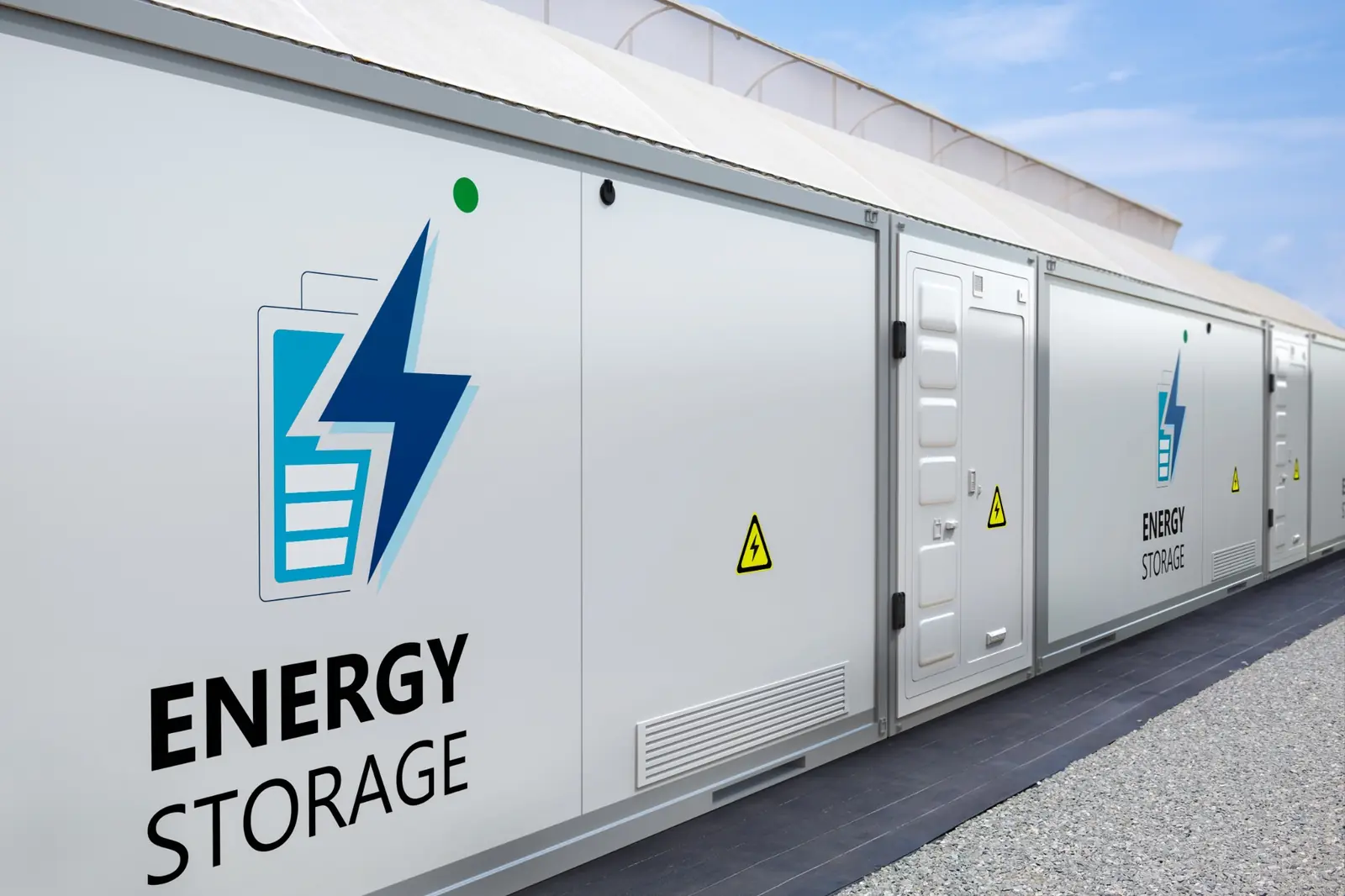
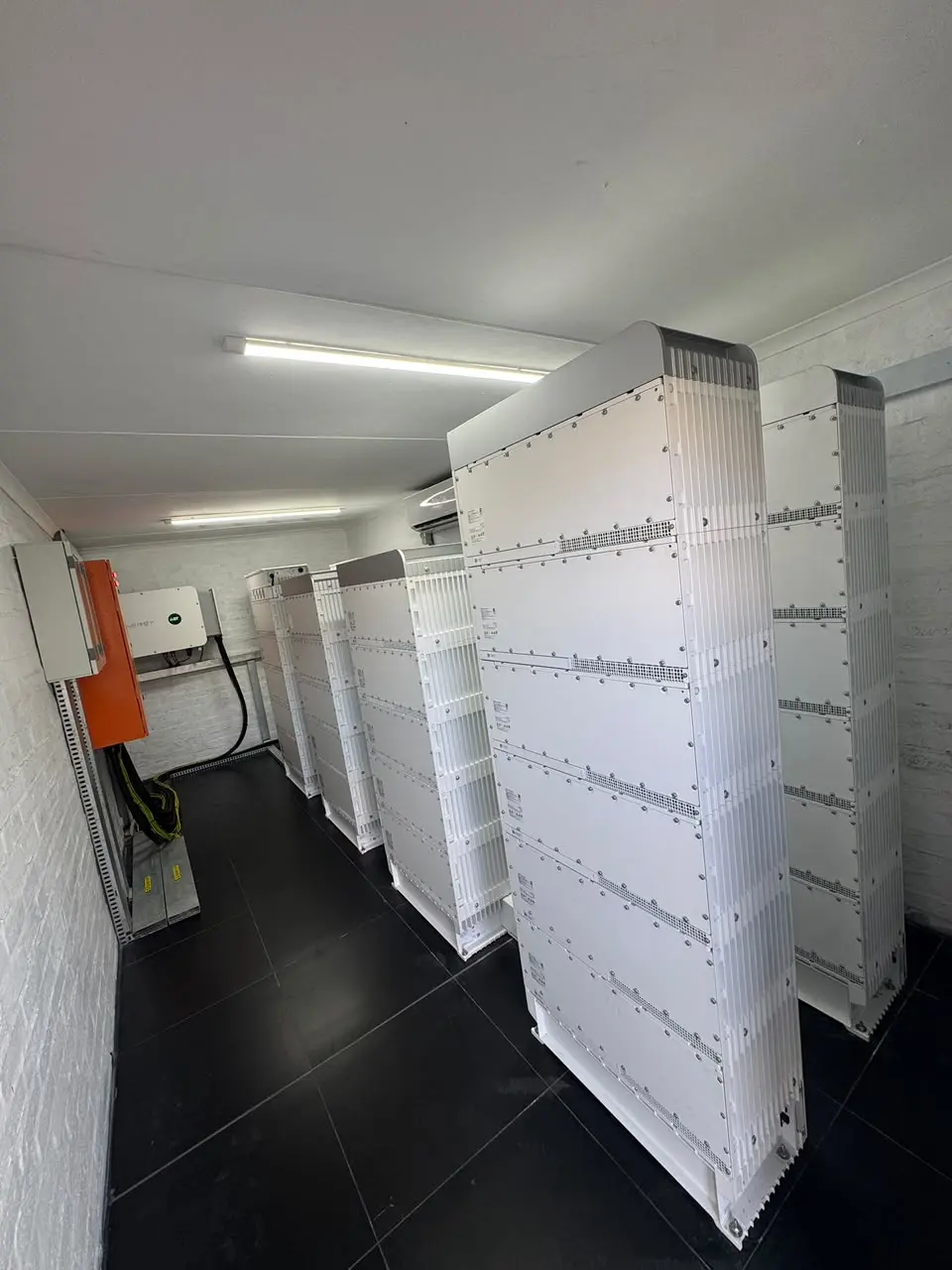
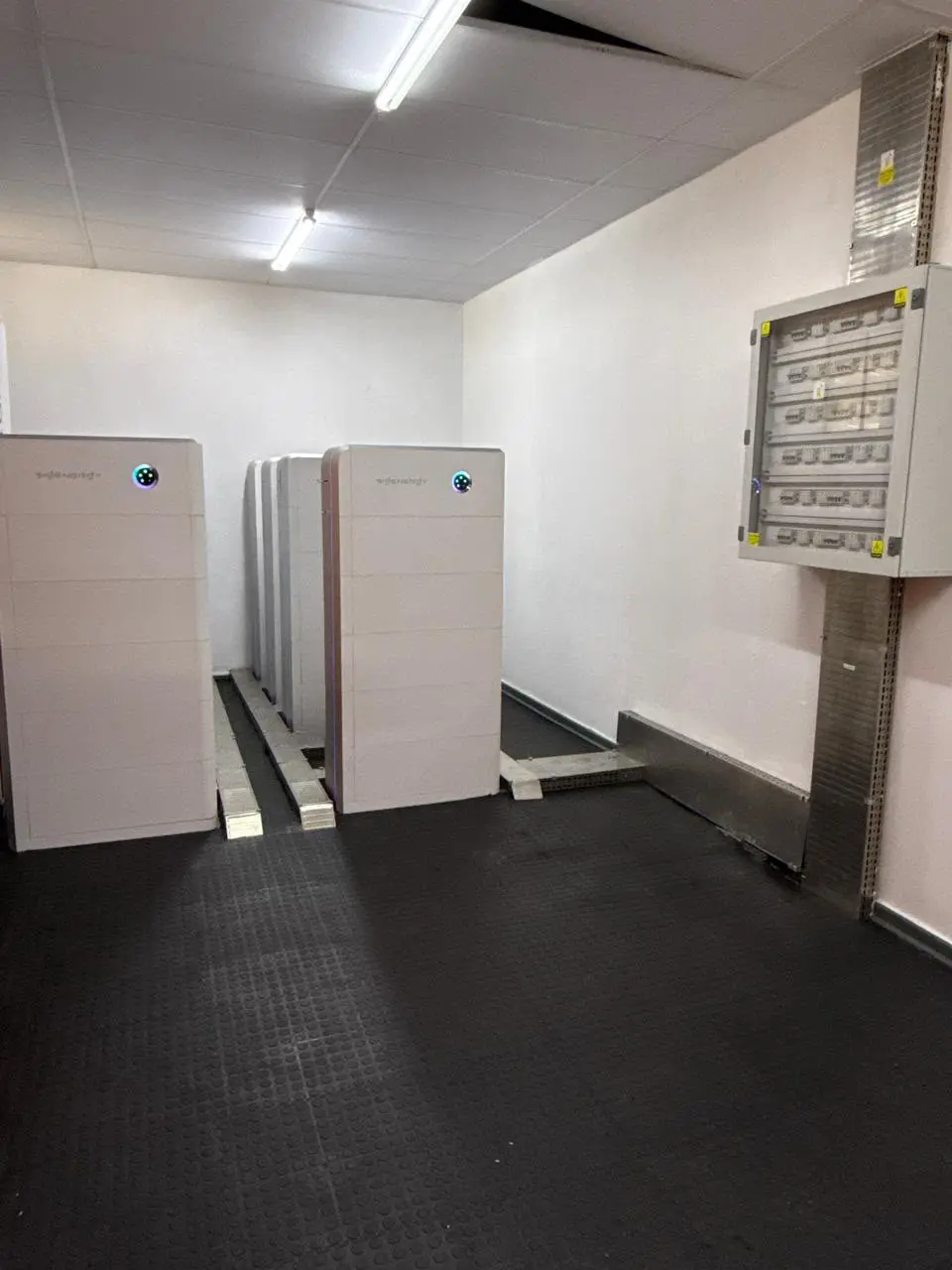
Containerised battery energy storage can provide a practical route for projects requiring larger capacity, controlled equipment environments, modular deployment or a system located away from occupied buildings. A container may incorporate batteries, power conversion, switchgear, controls, cooling, fire-related provisions and communications according to the selected system design.
This format may suit industrial campuses, agricultural processing sites, mines, remote infrastructure, commercial microgrids and staged projects where additional capacity could be deployed later. Site preparation, access, cranage, foundations, cable routes, environmental conditions and maintenance clearances must all be considered.
Containerisation does not remove the need for detailed engineering. The system must still be integrated with the site supply, loads, solar generation, protection and operating procedures as a complete plant.
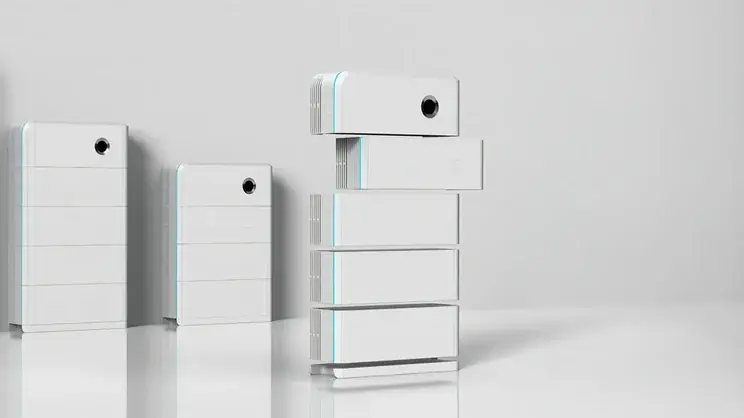
Battery energy storage is becoming a central part of modern power planning in South Africa. For commercial, industrial and agricultural operations, the objective is not simply to keep a few circuits switched on. A professionally designed battery energy storage system can protect production, preserve refrigeration, support pumps and controls, reduce exposure to peak demand, store surplus solar energy and create a more predictable operating environment.
P&P Solar Solutions approaches battery storage as an electrical engineering and operational project. The team considers the facility’s supply, demand pattern, essential processes, existing solar, standby generators, distribution arrangement, operating hours and future growth before recommending equipment. This allows the proposed storage system to be aligned with the actual role it must perform.
With solar project experience dating back to 2005, hundreds of completed installations and well over 100,000 rooftop solar panels installed, P&P Solar brings practical site knowledge to the integration of solar generation, battery storage, controls and existing electrical infrastructure. The result is a solution developed around the customer’s operation rather than a generic battery package.
Different industries have different continuity risks, load profiles and financial drivers. The storage strategy should reflect those differences.
Support control systems, selected production lines, process equipment and critical services while coordinating battery output with high starting loads, shift patterns and existing standby generation.
Maintain essential lighting, security, communications, refrigeration, loading operations and administrative systems while using solar and storage to improve daytime energy performance.
Provide strategically designed energy support for irrigation controls, boreholes, packhouses, cold rooms, dairy operations, poultry facilities, workshops and remote farm infrastructure.
Plan battery support around compressors, refrigeration stages, temperature controls, monitoring systems and the financial consequences of product loss or interrupted processing.
Support tenant services, access control, point-of-sale equipment, lifts where technically appropriate, communications and central building systems while managing peak demand and solar self-consumption.
Combine storage with solar and generation for sites where grid access is weak, expensive or unavailable, using modular or containerised architectures designed for the operating environment.
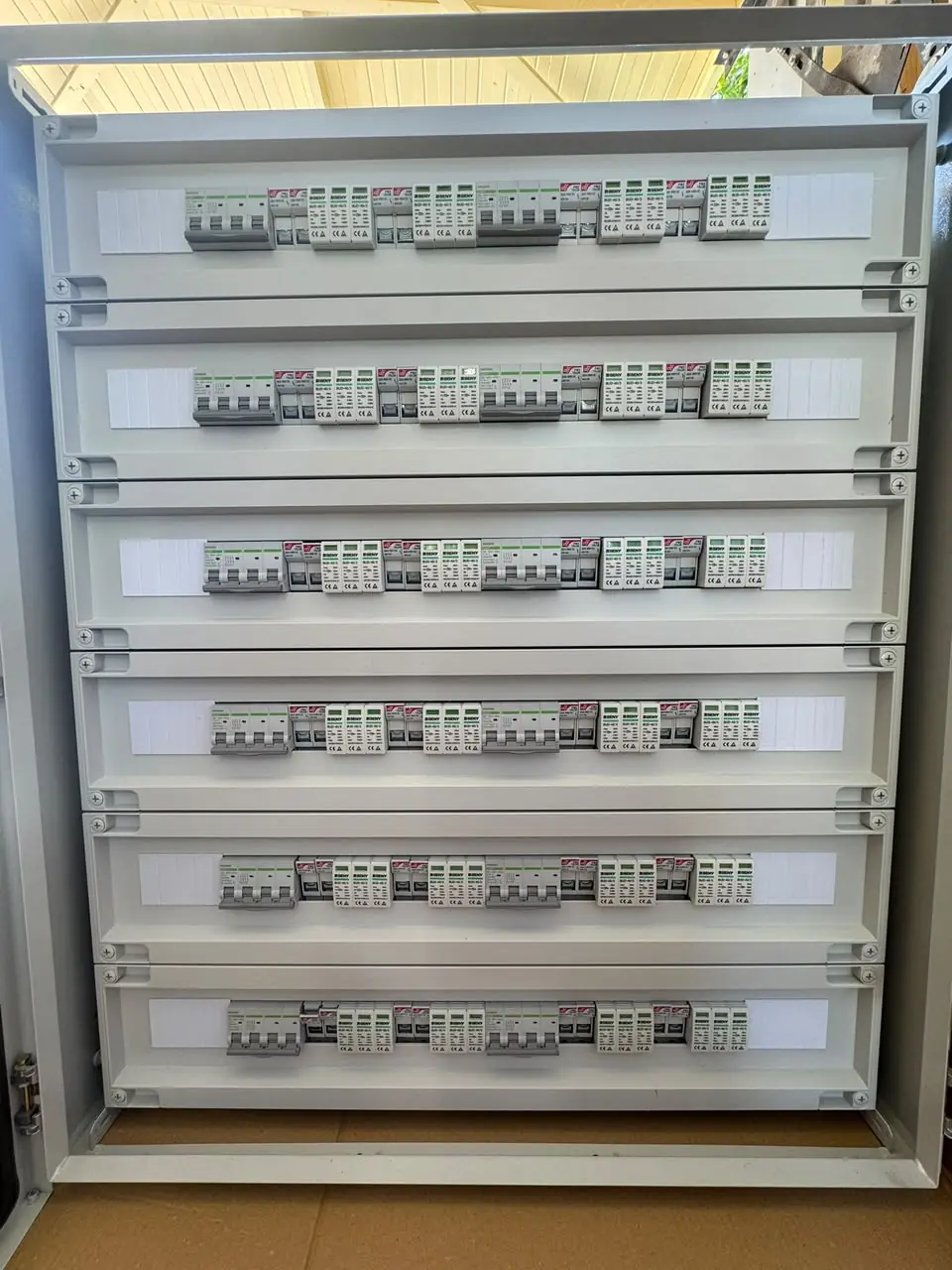
Commercial battery storage cannot be treated as an isolated appliance. It must connect safely to the facility’s distribution system, respond correctly when the grid fails or returns, coordinate with generators and solar inverters, and supply the intended loads without creating unacceptable operational or protection conflicts.
Existing switchboards, transformer capacity, cable routes, earth arrangements, protection settings, automatic changeover systems and available installation space can all influence the design. Where these details are ignored, a technically impressive battery may still fail to deliver the expected result.
P&P Solar therefore places emphasis on site assessment, load analysis, electrical architecture, installation quality, commissioning and clear operating logic. The objective is to deliver a maintainable energy system that facility teams can understand and operate with confidence.
Customers considering a substantial battery investment need more than equipment supply. They need a solar installation company that understands rooftops, electrical integration, construction conditions, commercial operating pressures and the importance of completing work safely and methodically.
P&P Solar Solutions has worked in the solar industry for more than two decades. Its documented experience includes hundreds of commercial, industrial, agricultural and residential projects, installations across South Africa and elsewhere in Africa, and well over 100,000 rooftop PV modules. This background provides a strong foundation for solar-plus-storage and hybrid energy projects.
The company’s project approach includes site-specific risk assessments, task-specific method statements, working-at-heights controls, toolbox talks, qualified installation personnel and ongoing quality inspections. For customers, this translates into a project team that treats energy infrastructure, safety and workmanship seriously.
Good data allows the design to reflect the real operating environment instead of relying on generic assumptions.
Recent bills, tariff information, maximum demand and interval data where available help identify the site’s demand pattern and potential operating opportunities.
A list of essential equipment, operating power, starting requirements, required backup duration and whether loads may be staged or shed.
Supply size, transformer information, distribution boards, generators, changeover equipment, existing solar, single-line diagrams and available connection points.
Clarify whether the priority is backup, peak shaving, tariff optimisation, solar shifting, generator reduction, microgrid operation or a combination.
Equipment location, access, distances, environmental exposure, ventilation, security, fire requirements, space and future expansion areas.
Expected project timeframe, capital budget, financing interest, internal approval process, performance priorities and planned facility growth.
Confirm the business problem, supported loads, required outcomes, operating priorities and project constraints.
Review consumption, interval data, peak demand, critical loads, motor starting, tariffs and operating schedules.
Inspect electrical infrastructure, equipment locations, cable routes, generators, safety requirements and installation conditions.
Define battery power and capacity, inverters or PCS, grid connection, solar integration, controls and distribution changes.
Present the technical concept, equipment strategy, assumptions, scope, exclusions and commercial route.
Coordinate final engineering, procurement, programme, protection, logistics, documentation and site preparation.
Complete equipment installation, cabling, protection, communications, controls and connection to the site system.
Verify alarms, protection, operating modes, grid loss, restoration, charging, discharging and monitoring.
Provide operating guidance, monitoring access and relevant project information for the agreed scope.
Assist with diagnostics, maintenance planning, performance review and future expansion where agreed.
Sigenergy can be considered for suitable commercial projects requiring an integrated approach to solar generation, battery storage, energy management and system monitoring. The final configuration depends on site demand, phase arrangement, required operating modes and approved equipment compatibility.
Explore Sigenergy solutions →FoxESS technology may be assessed for compatible commercial solar and battery-storage projects where the required inverter architecture, battery platform, monitoring and site operating objectives align with the selected solution.
Explore FoxESS solutions →Commercial battery systems require disciplined installation, appropriate clearances, correct protection, secure cable routing, controlled access and adherence to manufacturer requirements. The equipment location should support inspection, maintenance, emergency access and the environmental conditions specified for the selected system.
P&P Solar Solutions brings more than twenty years of solar project experience to the planning and delivery process. The company profile records hundreds of completed projects, more than 100,000 rooftop solar modules installed and established use of risk assessments, method statements, working-at-heights procedures, toolbox talks and quality inspections.
For battery projects, the final controls will depend on the technology, scale, site and client requirements. Relevant considerations may include isolation, signage, restricted access, thermal management, emergency procedures, monitoring, alarm response and maintenance planning.
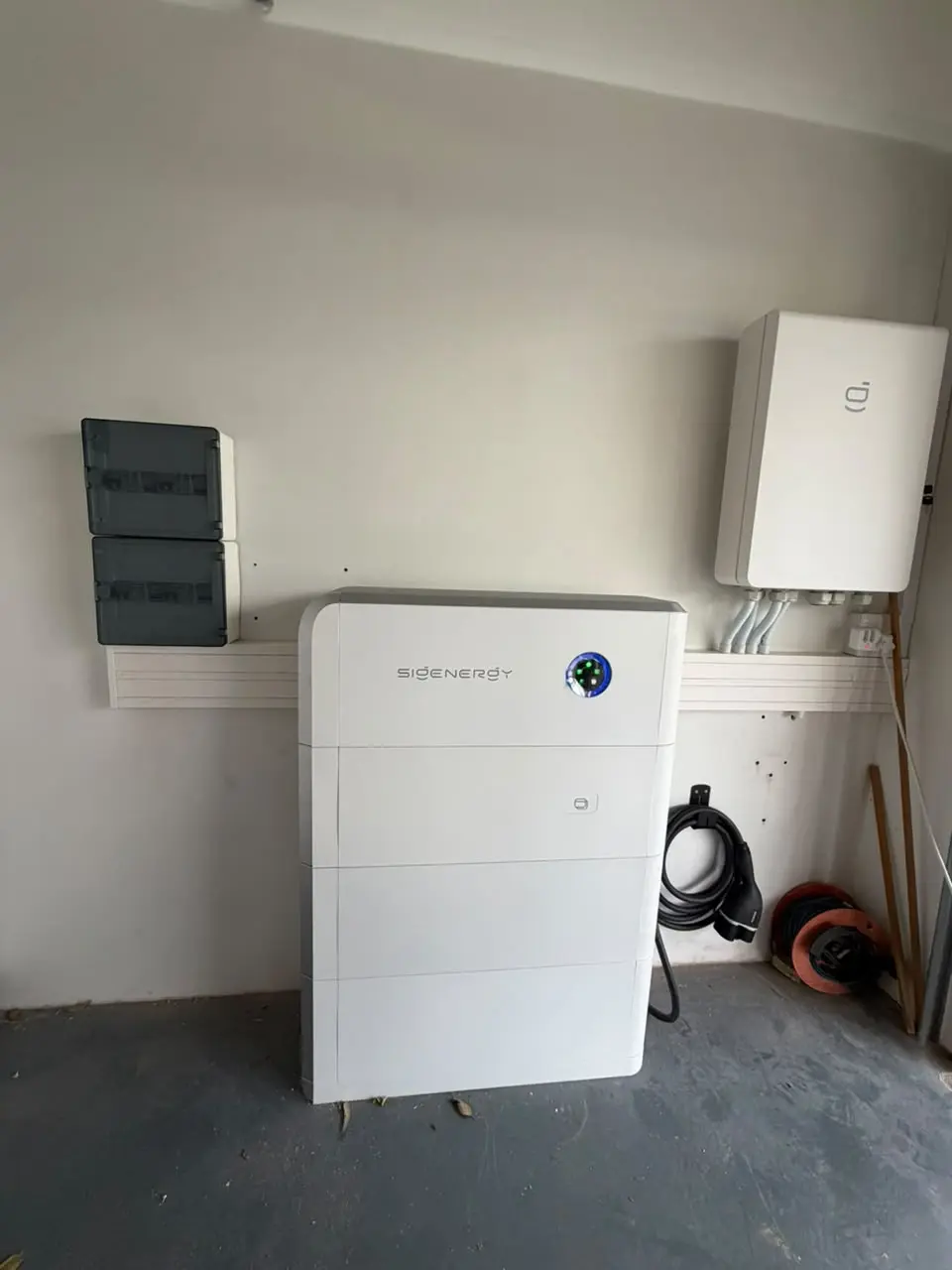
Monitoring helps facility teams understand battery state, charge and discharge power, solar production, grid consumption, supported loads and system alarms. Historical information can also help identify whether the operating strategy is achieving the intended result.
Depending on the selected platform and communication availability, remote access may support diagnostics, alerts, performance review and selected operating adjustments. Monitoring does not replace maintenance or site inspection, but it provides valuable visibility into system behaviour.
For multi-site businesses, centralised visibility can help compare energy performance across facilities and prioritise operational attention. The available features, data retention and remote-control capability depend on the chosen technology and platform.
Sizing starts with the required business outcome, measured interval data, critical and non-critical loads, maximum demand, motor starting, backup duration, tariff, solar production, generator operation, battery power in kW, usable energy in kWh, reserve settings, cycling duty and expected expansion.
Battery power, measured in kilowatts, determines how much load can be supplied at one time. Battery energy, measured in kilowatt-hours, influences how long that load can be supported. A dependable system needs sufficient power and usable energy for the defined operating scenario.
Potentially. A battery can discharge during selected high-demand periods to reduce grid demand where the tariff, interval profile and control strategy support peak shaving. The likely value should be modelled from actual site data before investment.
Yes. A properly engineered hybrid system can coordinate solar PV, battery storage, the utility grid and standby generation. The available modes depend on equipment compatibility, protection, control logic and the existing electrical architecture.
P&P Solar Solutions assesses modular and containerised battery energy storage systems for larger commercial, industrial, agricultural, mining, remote and microgrid projects where containerisation is technically appropriate.
It may be technically possible, but whole-site backup can require substantial power and energy capacity. Many projects achieve a better result by separating essential loads, process priorities and non-critical loads, then designing staged support around the operating risk.
Expansion may be possible when the original design allows for compatible battery modules, inverter or power-conversion capacity, switchgear, communications, cooling, physical space and connection capacity. Future growth should be considered before equipment is selected.
Useful information includes recent electricity bills, interval data where available, supply and transformer capacity, maximum demand, operating hours, critical-load schedules, generator information, existing solar details, single-line diagrams, equipment locations and the required commercial outcome.
P&P Solar can assess Sigenergy and FoxESS technology for suitable projects. Final selection depends on project scale, phase configuration, required operating modes, battery architecture, monitoring, compatibility, support requirements and the approved technical design.
Finance or broader energy-service structures may be considered for qualifying projects through relevant partners, subject to technical feasibility, project suitability, credit assessment and approval. The most appropriate commercial structure depends on the project.
Tell us whether your priority is backup power, peak-demand reduction, solar energy shifting, generator optimisation, microgrid operation or a combination. Upload a recent electricity bill and available load information so the first discussion can be based on the real site.