01
Factories & Processing Plants
High-capacity storage and hybrid power for production lines, refrigeration, process equipment, compressed air, ventilation and other loads where interruptions create costly downtime.

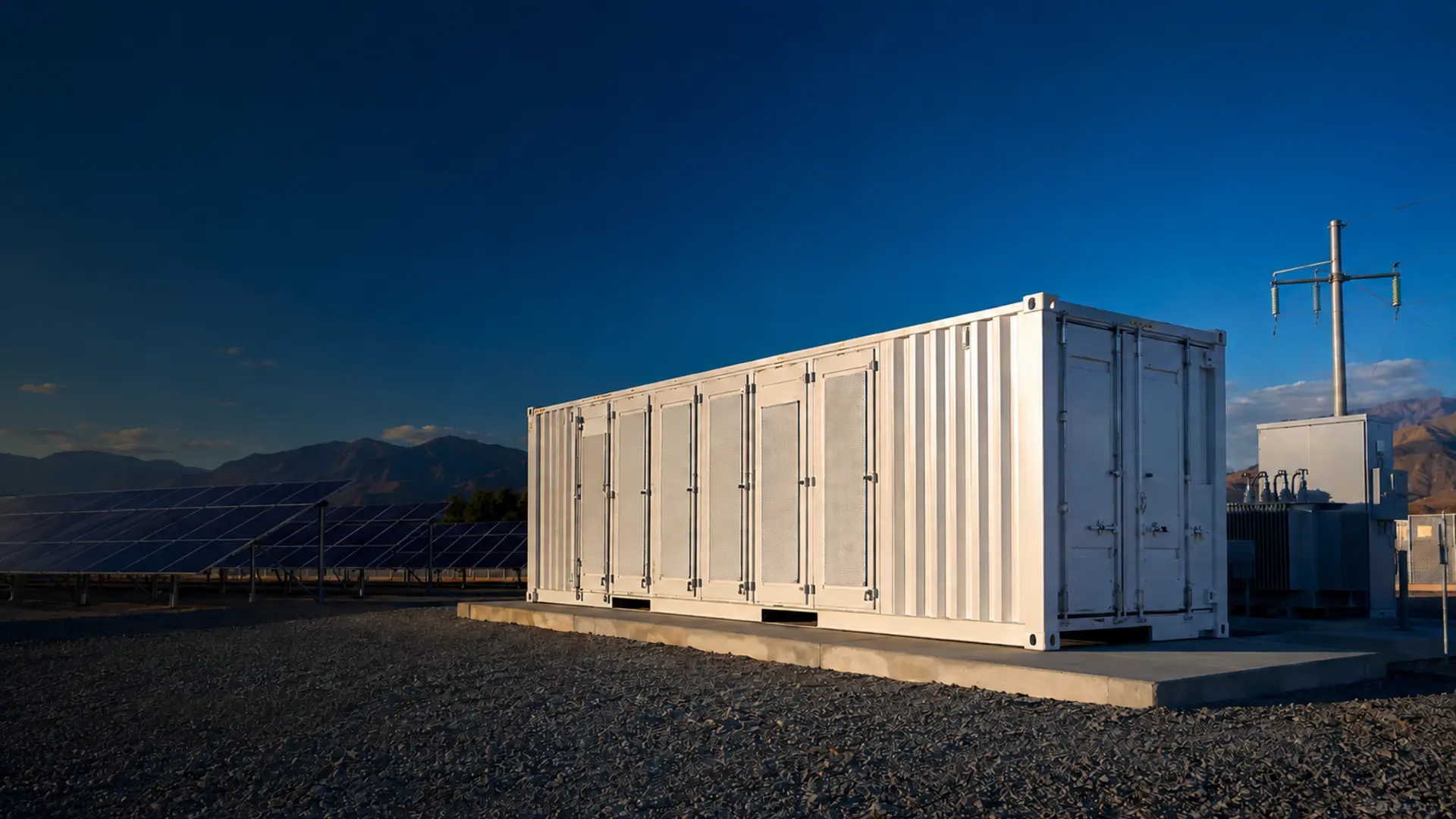
Purpose-designed containerised solar, battery energy storage, hybrid power and microgrid systems for factories, mines, farms, processing plants, logistics facilities, campuses, remote operations and large energy users across South Africa and Africa.
P&P Solar Solutions develops containerised energy projects around the actual electrical load, operating schedule, site infrastructure, resilience requirement and future growth plan. The container is not treated as a stand-alone product. It forms part of an engineered power plant that may combine rooftop or ground-mounted solar PV, high-capacity battery storage, grid interaction, generators, power-conversion equipment, protection, cooling, communications and intelligent energy management.
Modular infrastructure • Engineered integration • South Africa and Africa-wide project capability
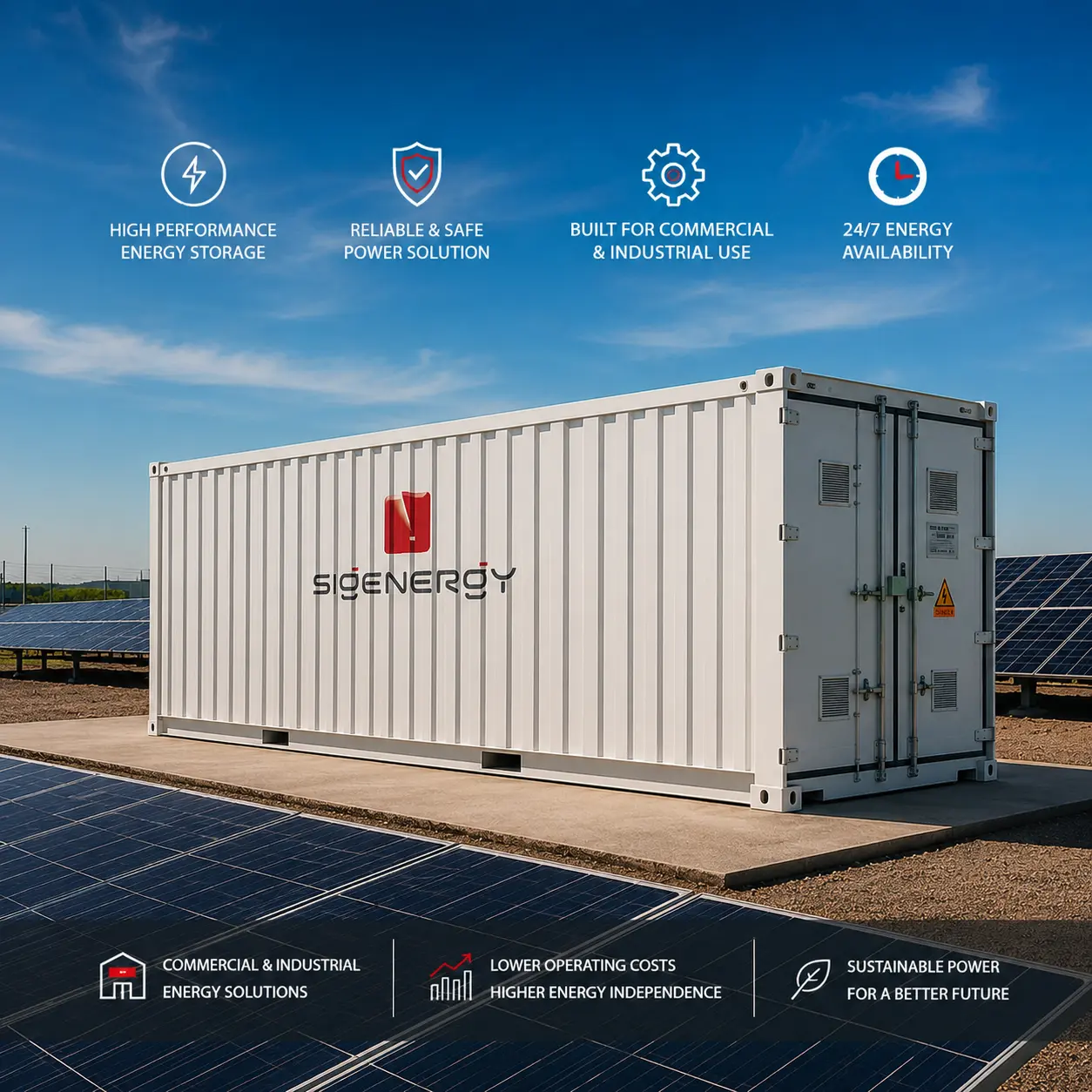
Containerised systems are valuable where a project requires a compact, protected and repeatable method of deploying battery storage, power conversion and control equipment. They can reduce the amount of equipment installed across separate rooms, simplify certain logistics and create a structured platform for staged capacity growth. However, a container does not remove the need for engineering. The electrical architecture, cooling, fire strategy, equipment clearances, cable routes, earthing, access and control philosophy still have to be developed for the site.
P&P Solar Solutions begins by understanding why the customer is considering a containerised solution. One site may need several hours of backup for critical production. Another may need peak-demand control to reduce tariff exposure. A remote operation may need a hybrid microgrid that coordinates solar, batteries and generators. A large farm may need a modular energy plant for irrigation, cold storage and processing. The correct system depends on the job it must perform.
The modular format can support many different operating environments. The final architecture should reflect the site's demand, electrical network, available space, environmental conditions and required level of resilience.
High-capacity storage and hybrid power for production lines, refrigeration, process equipment, compressed air, ventilation and other loads where interruptions create costly downtime.
Modular microgrids that can combine solar generation, battery storage and generators where the grid is weak, unavailable or expensive to extend.
Containerised energy systems for irrigation, packhouses, cold rooms, dairies, poultry operations, workshops and remote farm infrastructure.
Storage and backup support for warehouses, distribution centres, cold stores, fleet facilities and operations with significant refrigeration demand.
Centralised energy infrastructure for business parks, educational campuses, healthcare facilities and multi-building properties.
Hybrid power for water treatment, telecommunications, construction, public infrastructure and other essential service environments.
Battery dispatch strategies that may reduce demand peaks, support large transient loads and improve control over grid consumption.
Modular architecture for projects that need to begin at one capacity and grow as production, electrification or site development increases.
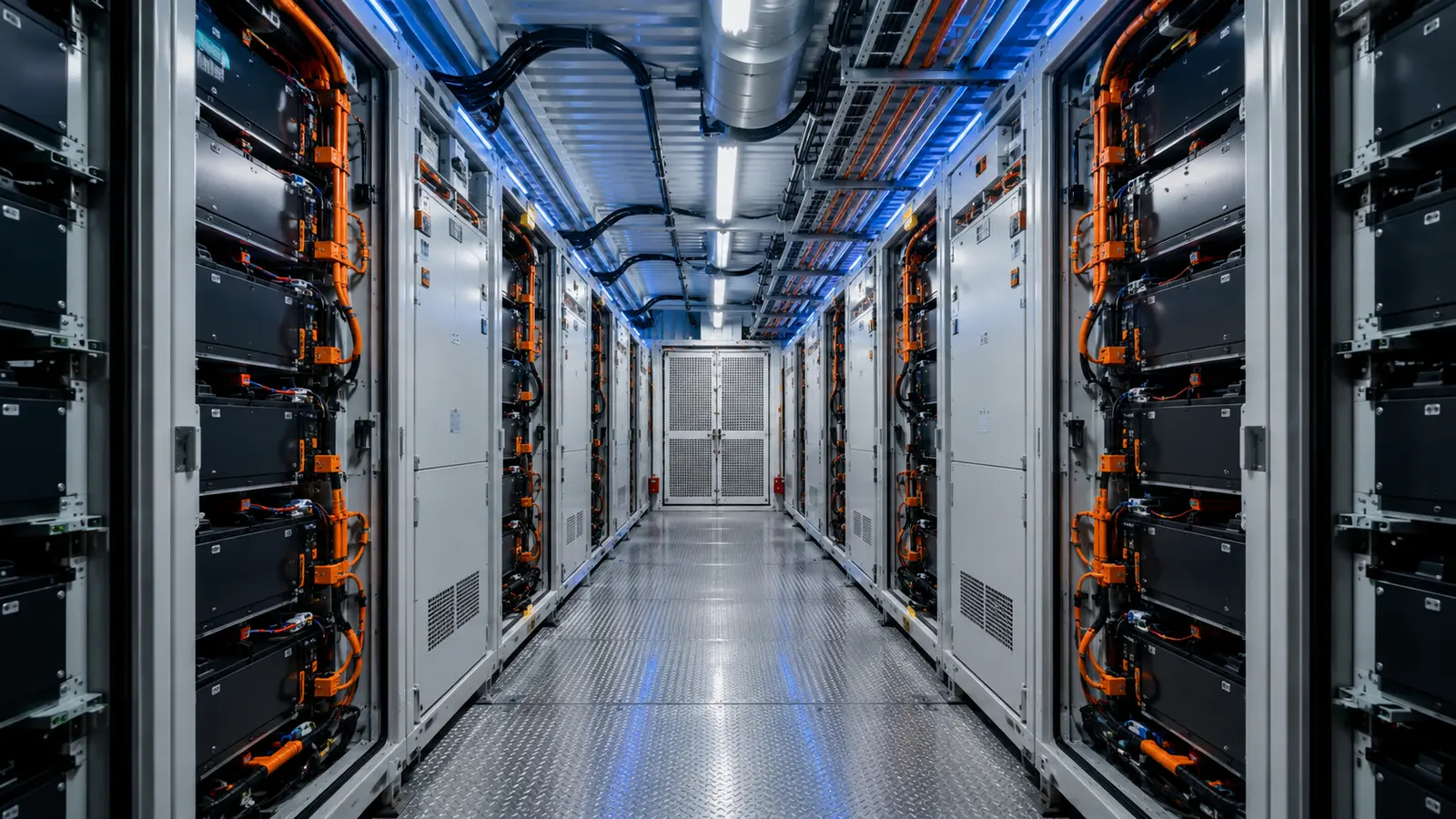
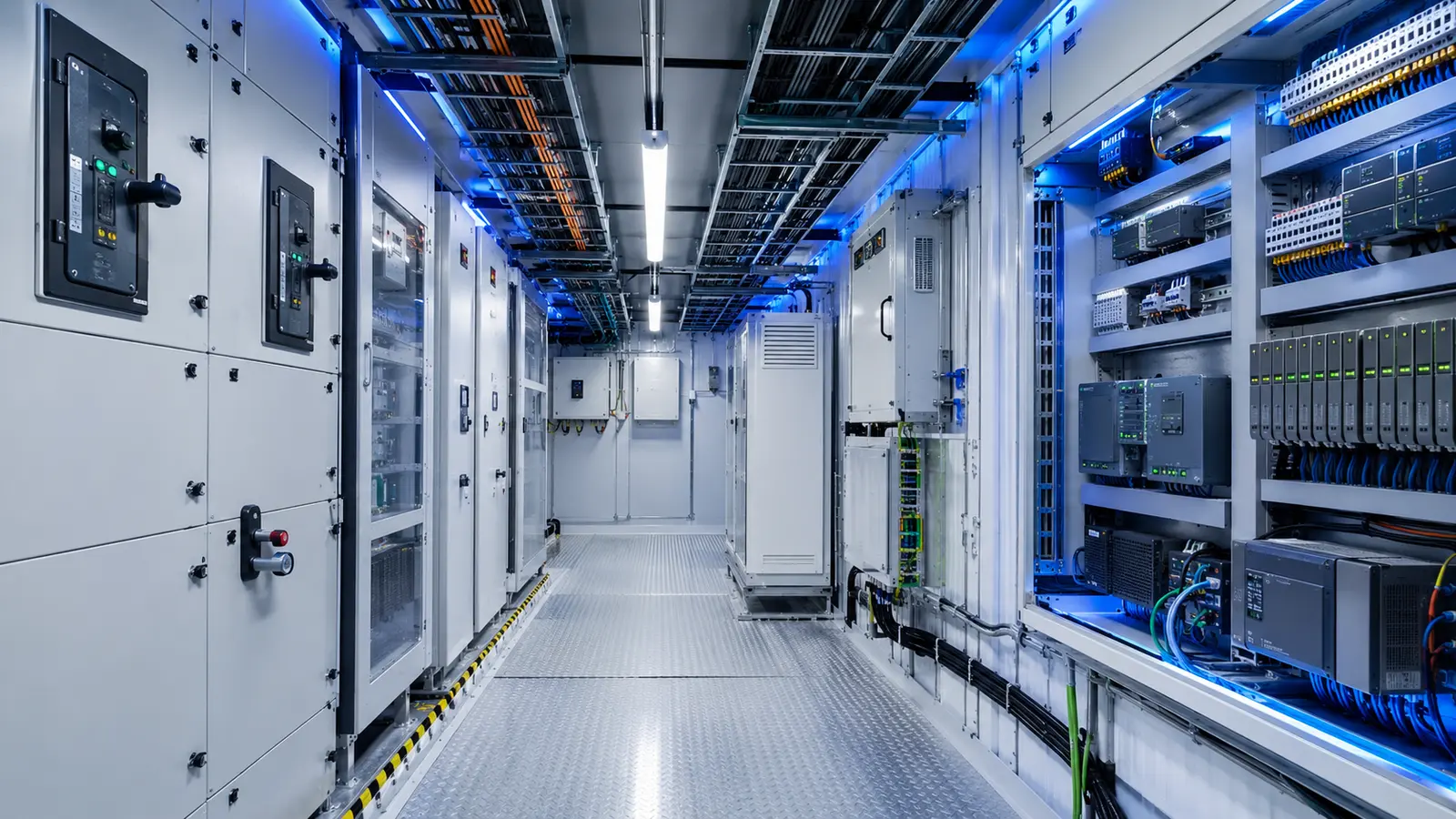
The exact equipment arrangement depends on the selected technology and the project duty. Some solutions use a single integrated enclosure, while others separate battery modules, power-conversion systems and medium-voltage equipment into dedicated containers or skids. This can improve service access, thermal management and staged deployment on very large projects.
Rooftop, carport or ground-mounted arrays sized around usable energy, point-of-connection limits, seasonal yield and available installation area.
Energy capacity and discharge power engineered for backup duration, peak shaving, load shifting, generator support or microgrid operation.
Inverters and converters selected for phase configuration, power quality, grid requirements, motor loads and the intended control strategy.
Isolation, overcurrent protection, surge protection, earthing, metering and distribution coordinated with the existing network.
Controls that determine when the batteries charge or discharge and how solar, grid and generators are coordinated.
Ventilation or cooling designed for equipment heat loads, ambient temperature, dust, humidity and the operating environment.
Monitoring, alarms, historical data and remote diagnostics to support operation, maintenance and performance review.
Foundations, access, drainage, security, lifting arrangements, cable routes and clearances planned before delivery.
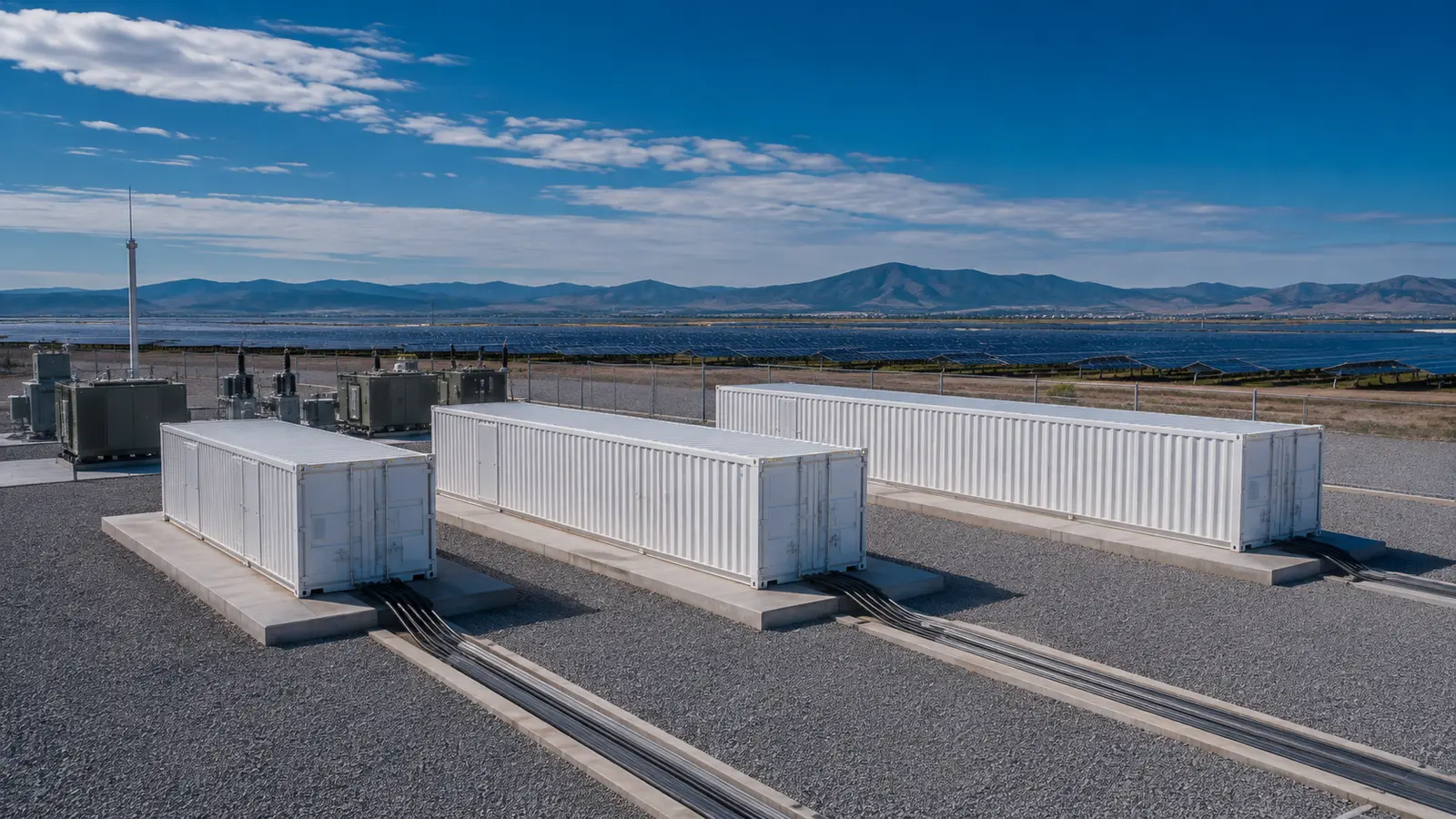
The battery's energy capacity, expressed in kilowatt-hours, influences how long a defined load can be supported. The power rating, expressed in kilowatts, determines how much load the system can supply or absorb at a given moment. A project can therefore have a large energy capacity but still be unable to start or support certain equipment if its power-conversion capability is insufficient.
Motor-driven loads, compressors, pumps, refrigeration and process machinery can introduce significant transient demand. Their operating sequence and starting method should be understood before the battery and inverter system is specified. Backup duration must also be calculated against realistic critical loads rather than the site's total connected load unless whole-site support is specifically required and technically justified.
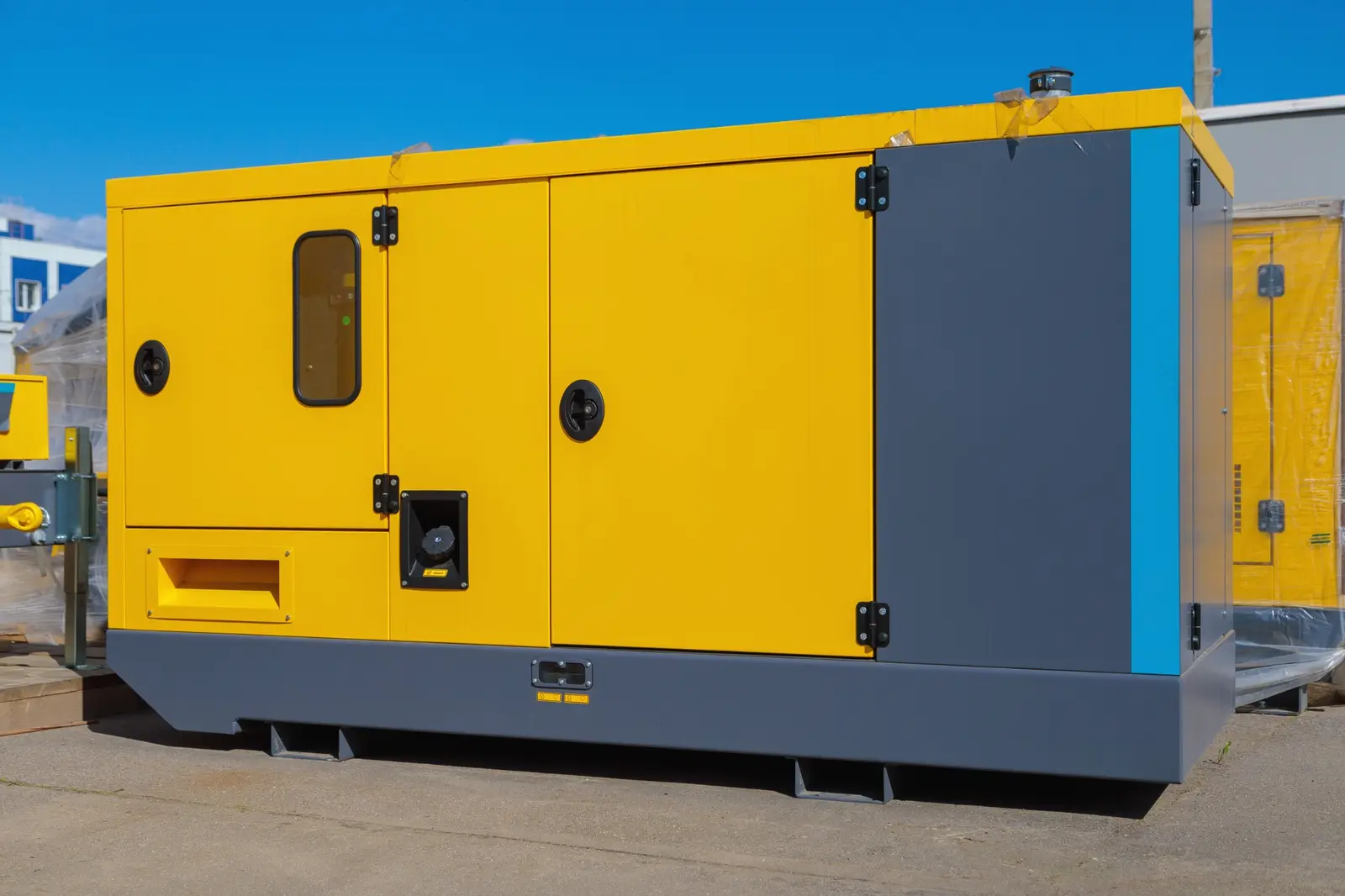
Many containerised projects use more than one source of energy. Solar may supply the daytime load and charge batteries. The grid may remain available for support or charging. Generators may provide long-duration backup or additional power during exceptional demand. The energy-management system must coordinate these sources without creating unstable operating conditions or inefficient generator use.
Generator integration deserves particular attention. Minimum loading, start and stop logic, warm-up and cool-down requirements, charging power, frequency and voltage behaviour, and the effect of variable solar production must all be considered. A battery can reduce unnecessary generator runtime, but only when the operating strategy and equipment are compatible.
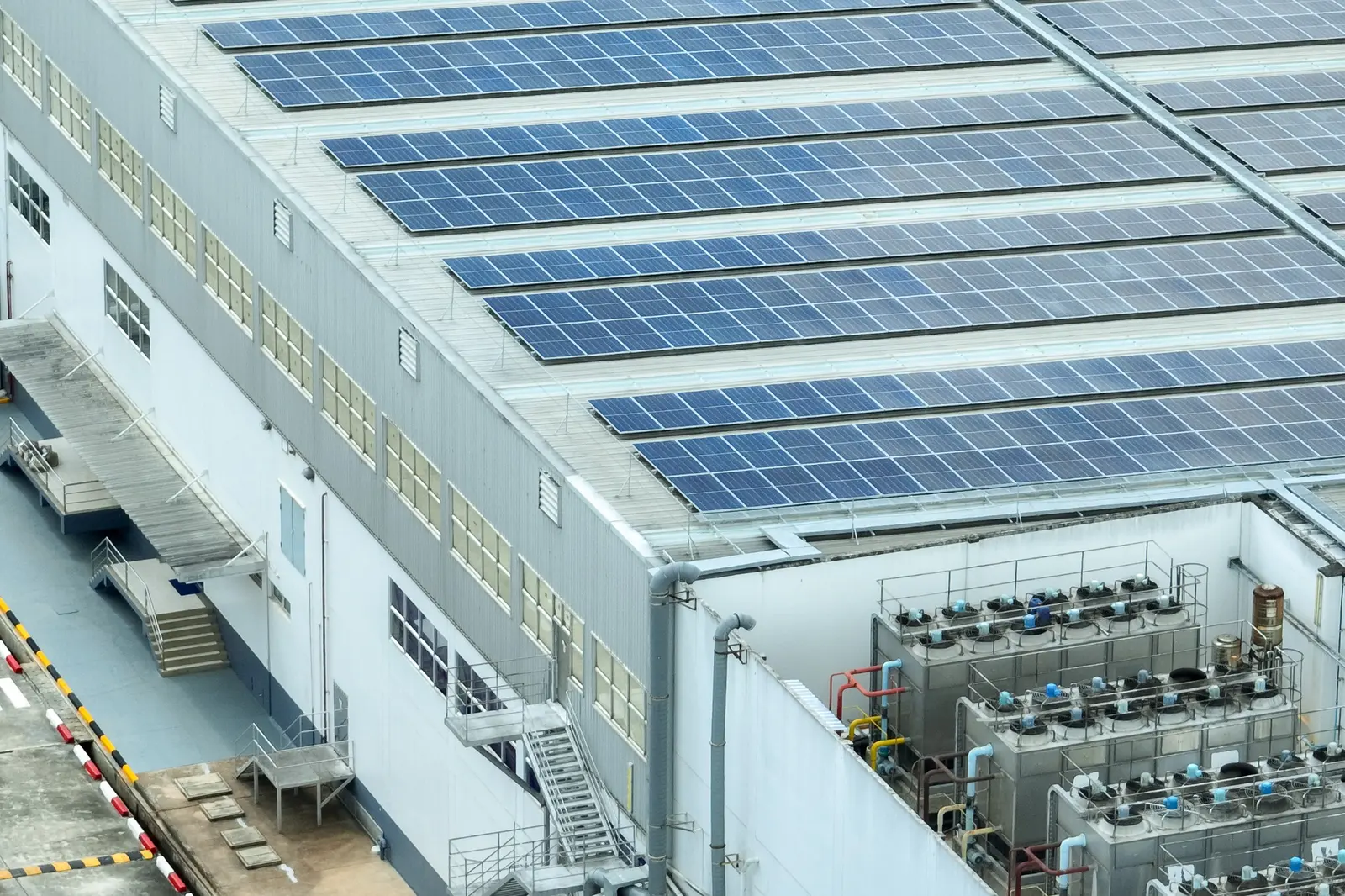
A useful proposal begins with accurate operating and site information. Where available, interval data and electrical drawings provide a much stronger basis than a single monthly bill.
Recent electricity bills, interval data, maximum demand, tariffs, operating hours, seasonal changes and expected future consumption.
Transformer ratings, main switchgear, distribution topology, protection, generators, supply configuration and available connection capacity.
Critical loads, tolerated interruption time, backup duration, motor behaviour, production schedules and resilience objectives.
Space, access, delivery route, crane or lifting requirements, foundations, drainage, security, ambient conditions and cable distances.
Electricity data, project objectives and basic site information are reviewed.
Electrical infrastructure, installation areas, access and environmental constraints are evaluated.
Demand, critical loads, operating schedules and backup requirements are analysed.
Solar, battery, generator, grid and container architecture is developed.
Equipment, scope, assumptions, performance objectives and exclusions are documented.
Protection, cabling, controls, foundations, access and integration details are finalised.
Approved equipment and project materials are secured and coordinated.
Civil works, cable routes, foundations and connection infrastructure are prepared.
The containerised system, solar arrays and balance-of-system equipment are installed.
Testing, configuration, handover, monitoring and ongoing technical support follow.
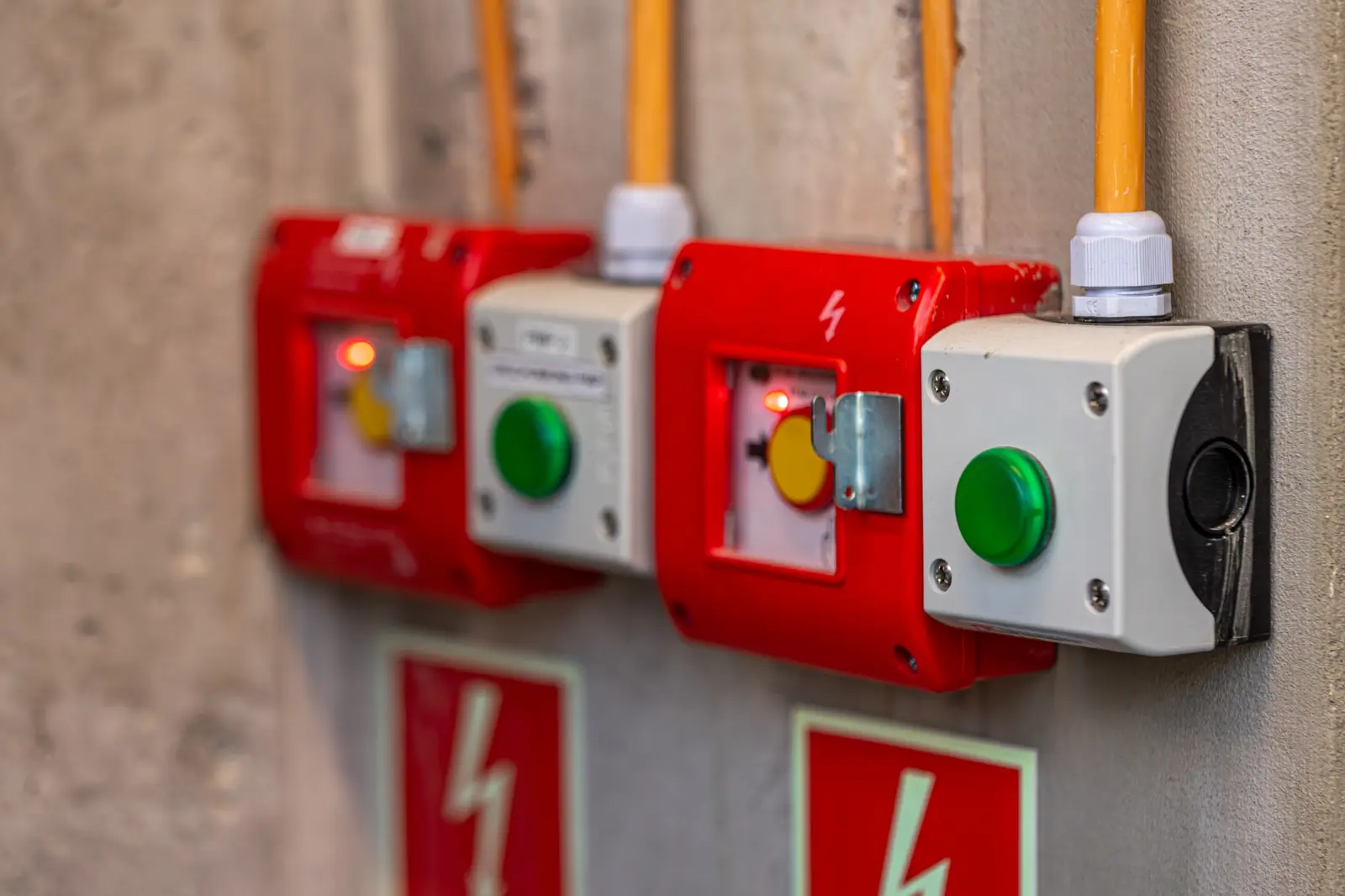
Equipment density can be high inside a containerised plant. Clearances, airflow, service access, cable segregation, emergency isolation, signage and maintenance routes therefore require careful attention. The enclosure and internal systems must be suited to the environment, including temperature, dust, humidity, corrosion risk, rainfall and potential flooding.
P&P Solar Solutions applies project-specific risk assessments, method statements, working-at-heights controls where solar arrays are installed on roofs, daily toolbox discussions, qualified installation personnel, inspections, testing and commissioning. The precise safety and fire provisions for a containerised BESS must be developed around the selected equipment, project scale, location and client requirements.
Integrated and modular Sigenergy technology can support solar, battery storage, energy management and selected commercial or industrial applications where the product architecture suits the project.
Explore Sigenergy →FoxESS inverter, battery and monitoring platforms can be considered for appropriate commercial, agricultural and energy-storage projects following technical assessment.
Explore FoxESS →Containerised storage can be integrated with extensive rooftop, carport or ground-mounted solar generation for high-demand sites.
Large-Scale Solutions →Qualifying projects may be assessed for structured finance or Power Purchase Agreement pathways through relevant independent partners.
Funding Options →A containerised energy system packages selected battery modules, power-conversion equipment, protection, controls, communications and environmental systems within a purpose-designed enclosure. Solar PV arrays may be installed separately on roofs, carports or ground-mounted structures and connected to the containerised power plant.
No. They can support grid-connected factories, farms, mines, logistics facilities, campuses and infrastructure sites as well as remote or off-grid operations. The architecture depends on whether the objective is backup, peak-demand control, load shifting, microgrid operation, generator reduction or a combination of these functions.
Yes. Depending on the selected architecture, a container may accommodate battery racks, battery management systems, power-conversion systems, AC and DC protection, distribution equipment, energy-management controls, cooling, fire detection and communication equipment. Some projects use separate battery and power-conversion containers.
Sizing starts with measured energy consumption, maximum demand, interval data, critical loads, motor starting requirements, backup duration, solar production, generator operation, tariff structure and future expansion. Both power in kilowatts and stored energy in kilowatt-hours must be engineered for the intended duty.
It can, where the generator, battery and control strategy are properly coordinated. Batteries may support short interruptions, absorb solar production, reduce inefficient generator runtime or help stabilise a hybrid microgrid. Generator compatibility, minimum loading and operating logic must be assessed.
Many containerised and modular systems can be expanded, but future growth must be considered during the initial design. Space, switchgear, cable routes, communications, transformer capacity, cooling and the selected equipment platform can all affect expansion options.
Requirements may include a suitable foundation or plinth, drainage, access for delivery and lifting equipment, security, clearances, ventilation, fire-safety provisions, cable trenches, earthing, network connections and protection from flooding, dust, corrosive environments or extreme temperatures.
Finance or Power Purchase Agreement pathways may be considered for qualifying commercial and industrial projects through relevant independent funding or energy partners. Availability remains subject to technical feasibility, project economics, credit assessment and approval.
Send P&P Solar Solutions your recent electricity bills, project location, operating schedule, major loads and a brief explanation of the required outcome. Our team can review the opportunity and identify the information needed for a responsible technical assessment.